

Reviewed · WALKING TOURS
The Hague: Courtyard Walking Tour
The best part of this The Hague courtyard tour is the sudden change from busy city streets to quiet spaces tucked behind walls and houses. These courtyards, dating from the 16th century, were built for charity and practical living, yet they still feel like calm little neighborhoods today.
I like the chance to see a side of The Hague that ordinary sightseeing often misses, and I like the small group limit of 10 people. Guides such as Hans and Kees are praised for lively storytelling and for treating the courtyards and their residents with care.
The main consideration is language. The tour is offered in Dutch only, so you need enough Dutch to follow the stories. Also, pets are not allowed, except assistance dogs, and one recent tour appears to have made an informal exception for a dog.
In This Review
- Key points to know before booking
- Why The Hague’s courtyards are worth your time
- Starting at ’t Goude Hooft
- Entering the hidden courtyards
- Renaissance details and older city monuments
- Charity homes and the people who lived there
- A walk shaped by the guide
- How much value do you get for $9?
- Who should book this walk?
- Practical advice for a better visit
- Should you book the The Hague Courtyard Walking Tour?
- FAQ
- How long is the The Hague Courtyard Walking Tour?
- How much does the tour cost?
- Where does the tour meet?
- What language is the tour offered in?
- How many people can join the group?
- Is the tour wheelchair accessible?
- Are pets allowed on the tour?
- Can I cancel the booking for a refund?
- Can I reserve now and pay later?
Key points to know before booking
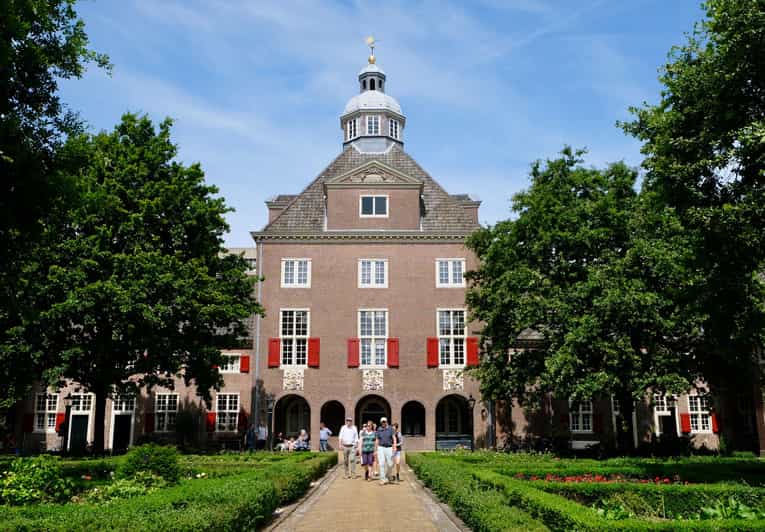
- 16th-century courtyards: See traditional Dutch charitable housing that remains part of the city.
- Quiet spaces behind busy streets: The entrances can be easy to miss, making the walk feel like a change of world within central The Hague.
- Stories of charity and daily life: Learn how poor and elderly residents once lived in these enclosed communities.
- Dutch-speaking guides: Hans and Kees are among the guides named in recent tour feedback.
- Small group of up to 10: The size should make it easier to hear the guide and ask questions.
- $9 for 1.5 hours: This is a low-cost way to add local history and less familiar sights to a visit.
Why The Hague’s courtyards are worth your time
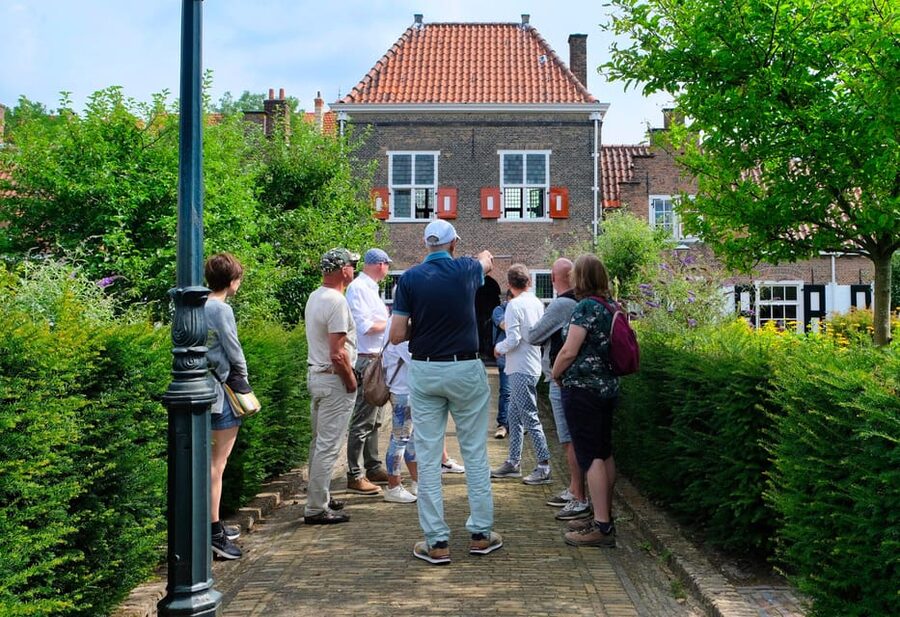
The Hague is known for government buildings, grand streets, museums, and royal connections. Its courtyards offer something more modest: a look at how ordinary people were housed and cared for in earlier centuries.
The Dutch word hofje is often used for these enclosed residential courtyards. The basic pattern is simple. A wall or row of houses hides a shared open space, with small homes arranged around it. The design offered shelter, order, and a degree of quiet in a crowded town.
That practical purpose gives the walk more weight than a tour of pretty doorways alone. You are not simply searching for attractive corners. You are looking at a form of housing linked to charity, social duty, age, and poverty.
The courtyards also show how older parts of The Hague have survived alongside modern city life. Residents still enjoy the peace and quiet of these places, even though city activity carries on just outside the walls. I like that contrast. It makes the city feel layered rather than polished for show.
More Walking Tours in The Hague
- Food Walking Tour of The Hague – by Bites & Stories
★ 5.0 · 188 reviews - The Hague: City Walking Tour
★ 4.5 · 156 reviews - The Hague: Old City Private Walking Tour
★ 4.4 · 81 reviews
Starting at ’t Goude Hooft
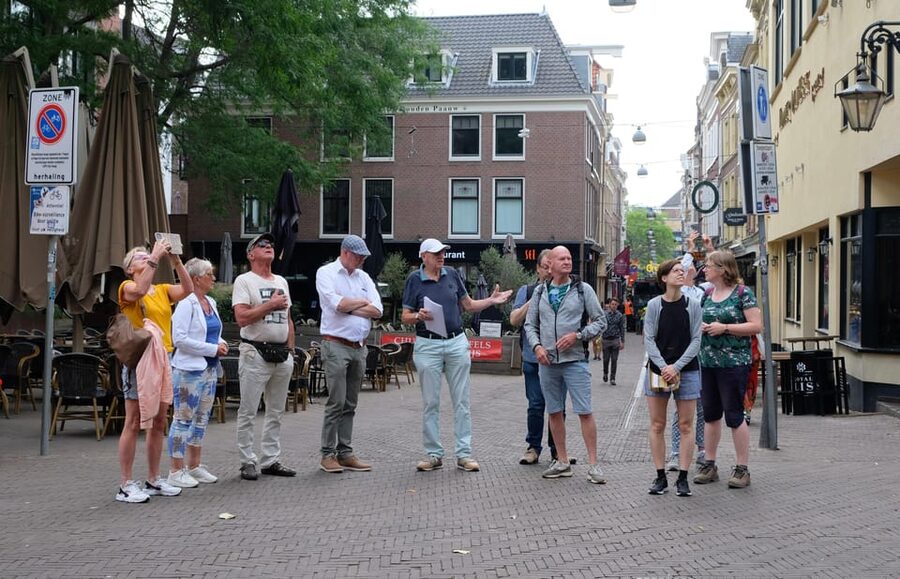
The meeting point is the little square at ’t Goude Hooft, written in the tour details as ’t Goude Hooft, pleintje. From there, the guide leads the group into central The Hague.
The exact order of courtyards is not specified, and that is probably sensible. Access and local conditions can affect how a guide moves through residential spaces. You should expect a guided route rather than a fixed checklist of named stops.
The first useful thing the guide does is set the scene. The courtyards are often barely visible from the street, so without local direction you could walk past them without realizing what is behind the walls. The guide provides the context that turns a closed door or narrow passage into a meaningful part of the city.
Because the group is limited to 10 people, you should have a better chance of hearing the introduction and seeing architectural details. A larger crowd would be less suited to small entrances and quiet residential spaces.
Entering the hidden courtyards
The heart of the walk is the movement from public streets into enclosed courtyards. You may first see only a doorway, wall, or narrow opening. Once inside, the atmosphere changes quickly.
These spaces were designed around shared quiet. Their appeal comes from proportion and restraint rather than grand scale. Small homes face an open area, and the layout makes the community feel contained. The lack of traffic and commercial noise is part of the experience.
The guide will take you to several of the most famous and attractive courtyards included on the route. Since the supplied information does not name each one or promise a set number, I would not book this expecting a precise architectural inventory. The strength is the pattern you see across different sites: enclosed housing, careful design, and a long connection with charitable foundations.
Pay attention to the entrances. Their modest appearance is part of the lesson. The courtyards were not built to announce themselves to the whole city. They were working communities, often protected from the street by walls and houses.
Some people may find that the tour includes fewer fully enclosed courtyards than expected. One recent participant hoped to see more of the real hofjes, though still found the rest of the route worthwhile. That is a fair warning. The walk includes other locations and monuments, so it is not a nonstop courtyard count.
Renaissance details and older city monuments
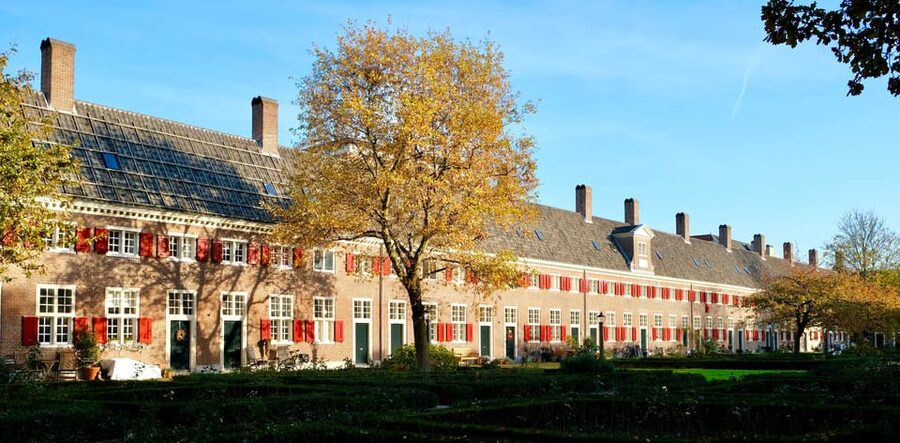
Renaissance design is one of the tour’s stated themes. You should expect the guide to point out architectural features and explain how they fit into The Hague’s past.
The available information does not specify particular façades, gates, statues, or monuments. That means it is better to think of the Renaissance element as part of the guide’s interpretation rather than a promise of one famous landmark. You will pass other interesting sites along the way, and the guide takes time to explain their history or special feature.
This wider route is a benefit if you want to understand the courtyards in context. A courtyard makes more sense when you see how it relates to the surrounding streets and older city fabric. It also keeps the walk from becoming repetitive.
At the same time, it may disappoint you if your only goal is to photograph courtyard after courtyard. The route mixes hofjes with monuments and other central sights. I would choose it for a short, story-led look at The Hague’s residential history, not as a specialist architecture tour.
Same city, a completely different afternoon:
- The Hague: Mauritshuis Entrance Ticket
★ 4.7 · 2,706 reviews - The Hague: City Canal Cruise
★ 4.6 · 2,024 reviews - The Hague: Madurodam Miniature Park Entry Ticket
★ 4.6 · 1,559 reviews - The Hague: The Pier SkyView Ticket with Drink and Snack
★ 4.4 · 1,398 reviews
Charity homes and the people who lived there
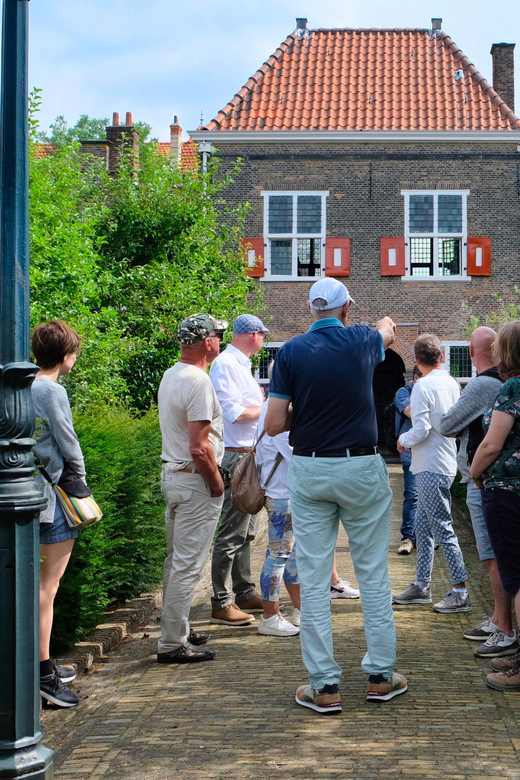
The most human part of the walk is the discussion of the people who once lived in these places. The courtyards provided housing for poor and elderly residents, linking attractive design with a serious social purpose.
That detail changes how you read the buildings. The quiet lanes were not created only for private comfort. They were part of a charitable system, often supported by people or organizations with the means to fund housing.
The tour’s highlight of charity gives you a useful counterpoint to grand civic buildings. Large monuments tell you how a city wanted to present itself. Courtyards show how some residents lived and how assistance was organized.
Your guide may also explain how the purpose of these places has changed. The residents today enjoy the same basic qualities of quiet and separation, but the courtyards no longer function simply as shelters for poor or elderly people in the historic sense described by the tour.
Hans and Kees are two guides associated with recent walks. Hans is described as respectful of the courtyards and attentive to the people who live there. He also adjusted his Dutch presentation for two foreign participants. Kees is described as enthusiastic and full of information. These details matter because the tour takes place in residential areas, where a considerate guide is more valuable than a loud performer.
A walk shaped by the guide
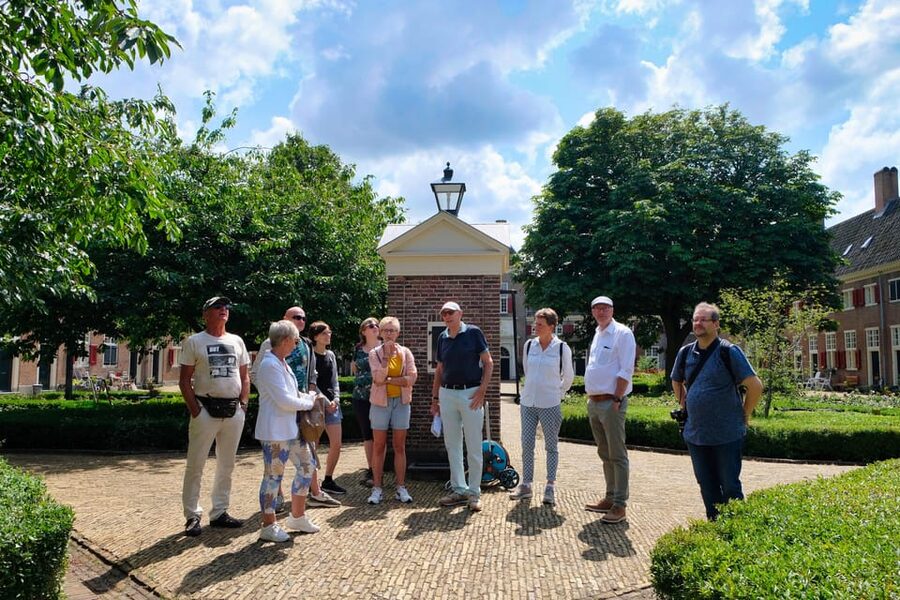
This is a live tour in Dutch, so the guide’s personality and ability to explain clearly will shape your experience. The walk is not presented as an audio tour or a self-guided route. You are paying for local interpretation as much as for access to the route.
Hans and Kees have different strengths in the available feedback. Hans is noted for adapting his Dutch to foreign guests and for respecting the setting. Kees is noted for enthusiasm and for bringing fresh impressions to a familiar city. Neither name guarantees who will lead your tour, but both give you a sense of the kind of local guide you might meet.
The 1.5-hour length is well suited to a first look at the subject. It gives the guide time to explain the background without taking up half your day. You can pair it with a museum visit, a longer city walk, or independent sightseeing afterward.
You should allow yourself time to listen rather than rush from stop to stop. The courtyards are quiet residential spaces, and the value comes from noticing how they are arranged and hearing why they were created.
How much value do you get for $9?
At $9 per person, this is inexpensive for a guided city walk. The price is especially attractive if you want more than a list of places to see but do not want to pay for a longer private tour.
The value comes from three things. First, the guide leads you to entrances that may be difficult to recognize from the street. Second, you get historical explanation about Renaissance design and charitable housing. Third, the small group keeps the experience more personal than a large public walk.
The price does not buy an English-language tour, a private guide, food, transportation, or entry to a museum. The included feature is a skilled Dutch-speaking guide. You should judge the cost with that limit in mind.
For Dutch speakers, the value is strong. For visitors who understand little or no Dutch, the low price may not compensate for missing the main stories. You might still enjoy the courtyards visually, but this walk depends on spoken explanation.
Who should book this walk?
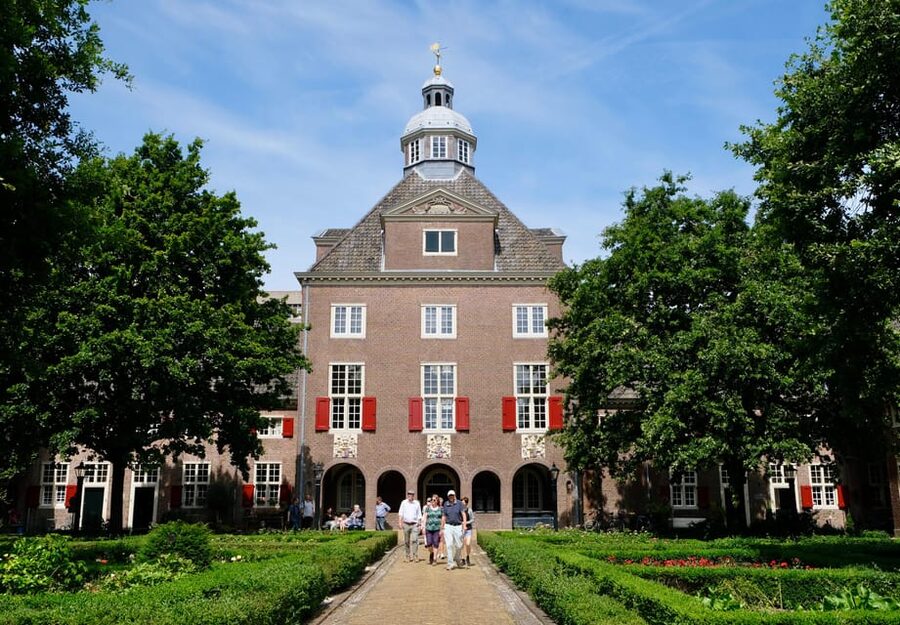
I would recommend it most strongly to people who already understand Dutch and want to see a quieter side of The Hague. It suits residents, repeat visitors, architecture fans, and anyone curious about social history rather than only headline sights.
It also works well for a short city stay. The tour is only 1.5 hours, and the central meeting point makes it easy to fit into a day of sightseeing. The group size of no more than 10 should appeal to you if you prefer a calm walk and the chance to hear questions and answers.
Families should check their own needs before booking. The route is wheelchair accessible, which is helpful, but the available information does not describe the surface conditions, rest stops, or exact distance. Pets are not allowed, with assistance dogs permitted. Do not assume a regular dog can join simply because one was allowed on a particular occasion.
The tour may be less suitable if you want a fully English experience, a detailed list of named courtyards, or a fast-paced city overview. It is also not the right choice if you dislike entering quiet residential areas where respectful behavior matters.
Practical advice for a better visit
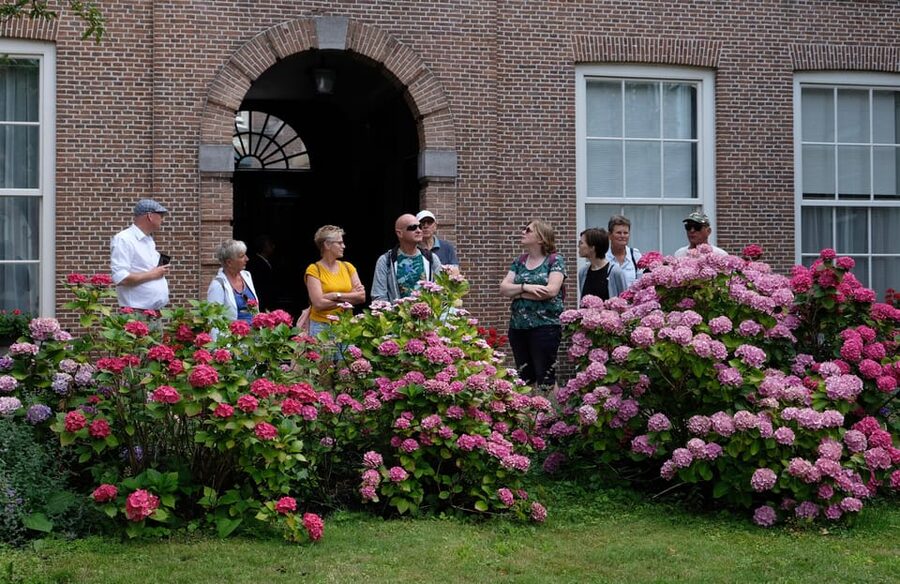
Wear comfortable shoes. The tour is a walking experience, and even a short route is easier when you are not thinking about sore feet.
Arrive at ’t Goude Hooft in time to find the little square and meet the guide without a rush. The meeting point is specific, but the information does not provide a detailed landmark description beyond the name, so leave a little extra time if you do not know central The Hague.
Bring patience for pauses. The guide may stop to explain a gate, courtyard layout, monument, or historical detail. The route is not only about moving from one address to the next.
If you are visiting with people who do not speak Dutch, decide in advance if they will be satisfied with the visual side of the walk. The guide language is Dutch, and no other language is listed.
Booking is flexible. You can cancel up to 24 hours before the start for a full refund, and you can reserve now and pay later. Check the available start times when booking, since the tour runs for 1.5 hours but no single departure time is specified.
Should you book the The Hague Courtyard Walking Tour?
Book it if you want local history at a low price, speak Dutch, and enjoy finding modest places with a strong social story. The courtyards offer a different view of The Hague, one based on charity, community, and quiet residential design rather than grand public buildings.
Think twice if you expect a long sequence of dramatic courtyards or need an English guide. The route includes other monuments, and the number of hofjes is not promised. Still, for $9 and 1.5 hours, this is a sensible choice for a focused introduction to one of The Hague’s least obvious traditions.
FAQ
How long is the The Hague Courtyard Walking Tour?
The tour lasts 1.5 hours.
How much does the tour cost?
The listed price is $9 per person.
Where does the tour meet?
The meeting point is ’t Goude Hooft, at the little square known as pleintje.
What language is the tour offered in?
The live guide speaks Dutch. No other tour language is listed.
How many people can join the group?
The tour is limited to 10 participants.
Is the tour wheelchair accessible?
Yes, the activity is listed as wheelchair accessible.
Are pets allowed on the tour?
No. Pets are not allowed, although assistance dogs are permitted.
Can I cancel the booking for a refund?
Yes. You can cancel up to 24 hours in advance for a full refund.
Can I reserve now and pay later?
Yes. The booking option allows you to reserve your place and pay later.
Just added around The Hague
- The Hague: Street Art Tour by Bike★ 4.8 · 30 reviews
- Vermeer Centrum Delft Museum Admission Ticket★ 4.0 · 45 reviews
- The Hague Tower Guided Tour★ 4.5 · 45 reviews
- Scheveningen Beach: 2-Hour Surf Experience for Adults★ 4.8 · 50 reviews
- Walking Tour of Delft – The City of Orange and Blue★ 5.0 · 50 reviews
- The Hague: One Way Boat Ticket to or from Delft★ 4.5 · 52 reviews
- The Hague: Beginner’s Surf Lesson★ 4.7 · 78 reviews
- The Hague: Glowgolf Glow in the Dark Indoor Minigolf★ 4.1 · 89 reviews
Walking Tours, compared.
Anne Frank’s Story – Guided Walking Tour through Amsterdam
Read our review →
Life of Anne Frank and World War II Walking Tour
Read our review →
Absolutely Amsterdam – the Essential Introductory Walking Tour
Read our review →

Anne Frank Walking Tour – Guided in EN/DE/IT/ES
Read our review →

Anne Frank Walking Tour Amsterdam Including Jewish Cultural Quarter
Read our review →Browse the lists this tour appears in