
Reviewed · ANNE FRANK & JEWISH HERITAGE TOURS
Eindhoven: Wings of Liberation, The WWII Airborne experience
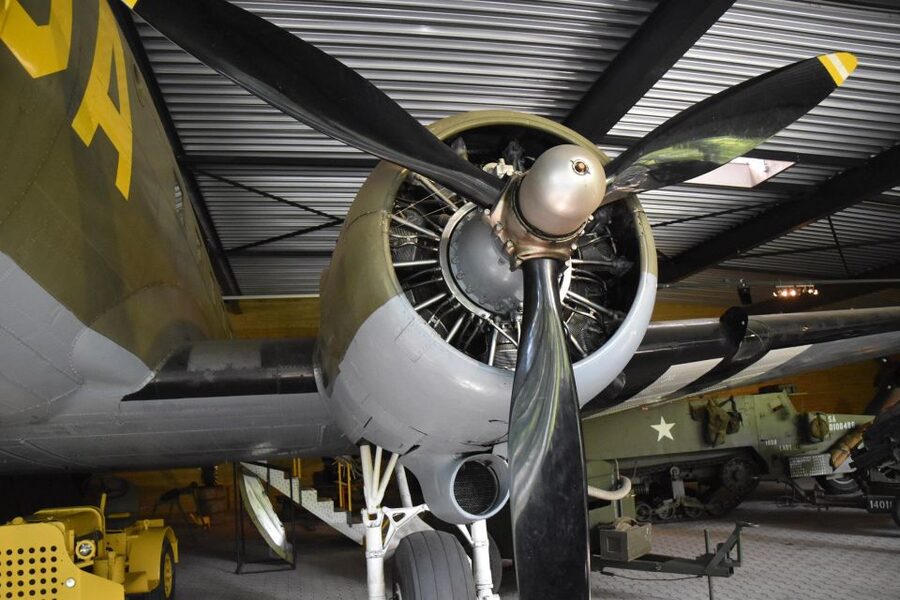
The most striking part of Wings of Liberation is its collection of full-size aircraft and military vehicles, including a Dakota C-53 and Horsa glider linked to the airborne operations of 17 September 1944. This is not just a room of photographs. You get close to the machines that carried troops, supplies, and weapons during the liberation of southern Netherlands.
I like the clear story, which begins with the occupation in 1940 and follows the repression years before reaching the liberation in late 1944. I also like the English and Dutch audioguide, since it gives you a useful way to understand the displays without needing a scheduled guide.
The main thing to consider is the amount of material. With photographs, dioramas, aircraft, weapons, and written information covering several years, a quick visit could feel rushed. The museum is best for visitors who want a serious history stop rather than a fast look at a few tanks and planes.
In This Review
- Key points
- Why Wings of Liberation matters near Eindhoven
- Start with the occupation years, not the aircraft
- Operation Market Garden through local eyes
- The Dakota C-53 and Horsa glider
- Vehicles, weapons, photos, and dioramas
- How to use the audioguide well
- How long should you plan?
- Who will enjoy this museum most?
- Price, flexibility, and practical planning
- Should you book Wings of Liberation?
- FAQ
- Where is Wings of Liberation located?
- How much does admission cost?
- How long is the experience?
- Is an audioguide included?
- Which audioguide languages are available?
- Does the museum cover Operation Market Garden?
- Which aircraft can you see?
- What other objects are displayed?
- Is the museum wheelchair accessible?
- Can you cancel the booking?
Key points
- Aircraft you can see up close: View the Dakota C-53 and Horsa glider, along with other aviation displays.
- A full wartime timeline: Follow southern Netherlands from occupation in 1940 through liberation in 1944.
- Operation Market Garden setting: Learn about the airborne action that began on 17 September 1944.
- Useful audio support: Choose a Dutch or English audioguide to add context to the exhibits.
- Strong value at $14: The admission covers a substantial museum visit, with no separate charge listed for the audioguide.
- Easy planning: The experience is valid for one day, offers free cancellation up to 24 hours ahead, and is wheelchair accessible.
Why Wings of Liberation matters near Eindhoven
The museum tells the story of the liberation of the southern Netherlands, not just the better-known military operation that took place in September 1944. That wider view gives your visit a firmer human and political frame.
You begin with the German occupation in 1940. The display then moves through the repression years from 1940 to 1944 before reaching the final months of the war. This order matters. It helps you see liberation as a long process, not a single day of airborne landings.
The museum is set in the area connected with the airborne operations of 17 September 1944, when Operation Market Garden began the liberation of the southern Netherlands. The setting gives the aircraft and equipment more meaning. You are not looking at military objects in isolation. You are looking at them in the part of the country where the events unfolded.
I find this approach more useful than a collection arranged only by weapon type. A rifle or aircraft can be impressive on its own, but the timeline explains who used it, what was happening at the time, and how the occupation affected daily life.
More Anne Frank and Jewish heritage walks:
- Anne Frank’s Story – Guided Walking Tour through Amsterdam
★ 5.0 · 11,619 reviews - Amsterdam: Life of Anne Frank and World War II Walking Tour
★ 4.8 · 10,467 reviews - Amsterdam: Anne Frank Guided Small Group Walking Tour
★ 4.8 · 2,722 reviews
Start with the occupation years, not the aircraft
Many military museums lead with their biggest machine. Wings of Liberation gives the war a broader beginning, taking you back to the occupation in 1940 and the years of repression that followed.
That section is important if you know little about the Dutch experience during World War II. It puts the later liberation in context and shows why the arrival of Allied forces mattered so much. The museum covers the entire period through the final months of 1944, so you can follow the change from occupation to military advance.
Expect photographs and written material alongside the larger displays. The amount of information means you should use the audioguide rather than trying to absorb every panel at once. English is available, as is Dutch, making the visit practical for international visitors and local residents alike.
If you are mainly interested in aircraft, you can move more quickly through the early sections. I would not skip them entirely, though. They explain the pressure and uncertainty that shaped the events you see later in the museum.
Operation Market Garden through local eyes
The airborne experience is the heart of the visit. Operation Market Garden began on 17 September 1944, and the museum connects that operation with the liberation of southern Netherlands.
The exhibition uses dioramas, photographs, aircraft, and weapons to show the military story. Dioramas can be especially helpful when you want to understand movement and scale. A photograph may show a single moment, while a model can make the positions and equipment easier to picture.
The museum also includes equipment actually used during Operation Market Garden. That detail gives the collection weight. You are not simply seeing later replicas or generic wartime objects. The displays connect directly with the operation the museum is explaining.
The story does not stop at the first airborne action. The timeline continues through the liberation in the last months of 1944. That makes the visit more useful for anyone who wants to understand the campaign as a sequence of events rather than one famous operation.
The Dakota C-53 and Horsa glider
The aircraft are likely to be the most memorable part of your visit. You can get on board the museum’s famous Dakota C-53 and Horsa glider, which gives you a better feel for their size and purpose than a photograph ever could.
The Dakota C-53 is associated with airborne transport. The Horsa glider shows another side of the operation, one based on silent flight and the delivery of troops or equipment without the sound of an engine. Seeing both aircraft together helps explain the range of machines required for an airborne assault.
The scale is part of the lesson. Military aircraft can look manageable in photographs, but standing beside them makes their size clear. The same goes for the vehicles in the collection. One German-language comment described the exhibition as highly interesting and authentic, with the size of the vehicles and aircraft worth seeing in person. That is a fair way to think about this museum: the objects teach through their physical presence.
Allow time around these aircraft rather than treating them as a quick photo stop. Look at how each machine fits into the wider story. The audioguide can help you make that connection, especially if you are not familiar with airborne operations.
A few more Eindhoven half-days to weigh up
- Eindhoven: Motion Experience Light Art Playground Ticket
★ 4.0 · 168 reviews - Eindhoven: PSV Stadium Museum Entry Ticket
★ 4.1 · 101 reviews - Eindhoven: Philips Museum Entry Ticket
★ 4.3 · 95 reviews - Eindhoven: Next Nature Museum Entry Ticket
★ 3.9 · 83 reviews
Vehicles, weapons, photos, and dioramas
The aircraft draw attention first, but the museum’s wider collection gives the visit its substance. You will find military vehicles and weaponry, along with photographs and model scenes.
The vehicle selection is useful for readers who want more than aviation history. A comment from a United Kingdom visitor specifically noted the good choice of military vehicles and aircraft. That balance matters. The visit is not only about pilots and planes. It also shows the ground forces and equipment that supported the advance.
Photographs provide a more personal scale. They can show the people involved and the condition of the area during the war, while weapons and vehicles show the tools of the conflict. Dioramas help bridge those two forms of evidence.
The museum’s material also rewards a slower pace. A repeat visit can reveal information you missed the first time, particularly if you tried to read every panel while also looking at the aircraft. You do not need to study every item in one pass, but you should avoid assuming that the large objects are the whole experience.
How to use the audioguide well
The audioguide is included and available in Dutch and English. That is a practical benefit, especially because the museum covers a long period and several parts of the liberation story.
I would use it selectively rather than listening to every available item. Start with the introduction and the sections on occupation, repression, and Operation Market Garden. Then use it again at the Dakota, Horsa glider, and the equipment used during the airborne operation.
The guide can also help you pace the visit. If a display catches your attention, listen before moving on. If a panel covers something you already know well, continue to the next section. You remain in control of the day, without having to match the pace of a group.
No guide’s name is provided, and this is not presented as a scheduled live tour. A host or greeter is included, while the main interpretation comes through the audio system and museum displays. That suits independent visitors who prefer to look around at their own speed.
How long should you plan?
The experience is described as valid for one day, and the museum has enough material to make a long visit worthwhile. The exact time you need depends on your interest in military history and how closely you listen to the audioguide.
If you only want to see the aircraft and vehicles, you can make a shorter visit. If you want to follow the timeline from 1940 through late 1944, study the photographs, and listen to the audio, plan much more time.
I would treat it as a main stop for the day rather than a quick extra attraction. The $14 admission makes that easy to justify. You are paying for access to a sizeable collection, several forms of interpretation, and aircraft that can be viewed at close range. The included audioguide adds value because you do not need to pay for a separate tour to understand the displays.
The 4.7 rating from 20 bookings supports the idea that the museum delivers a strong visit, but the smaller number of ratings also means you should judge it by your own interests. If you enjoy military history, aviation, or the Dutch liberation, the price is modest for the amount of material. If you prefer a short, highly polished attraction with little reading, you may find the visit too detailed.
Who will enjoy this museum most?
This experience suits anyone with an interest in World War II and aviation, especially visitors who want a connection with the local story of North Brabant.
It also works well for families with older children who can engage with the timeline, photographs, and machines. The aircraft and vehicles provide an immediate point of interest, while the audio and written material add depth for adults.
History students and military enthusiasts will have the most to study. The combination of actual equipment, period photographs, dioramas, and weapons gives you several ways to approach the subject.
The museum may be less suitable if you are looking for entertainment with frequent live demonstrations or a tightly timed guided tour. The provided information points to a museum visit supported by an audioguide, not a performance or outdoor battlefield excursion.
Wheelchair access is available, which makes the museum a practical option for visitors who need an accessible attraction. Dutch and English support also removes a common barrier for international visitors.
Price, flexibility, and practical planning
At $14 per person, the admission is good value if you give the collection enough time. The aircraft alone may be the draw, but the price makes more sense when you include the full wartime timeline, vehicles, weapons, photos, dioramas, and audio interpretation.
You can reserve now and pay later, which helps if your route through the Netherlands is still changing. The ticket is valid for one day from first activation, so you have a full day in which to use it.
Free cancellation is available up to 24 hours in advance for a full refund. That is helpful when weather, transport, or a changing schedule affects your plans, though the museum itself is mainly an indoor history stop.
The activity is located in North Brabant, Netherlands, and is associated with Eindhoven. Check the exact address and transport details before setting out, since the supplied information does not give a precise street location or explain public transport connections.
Should you book Wings of Liberation?
Book it if you want more than a few impressive aircraft. The combination of the Dutch occupation story, Operation Market Garden, authentic equipment, and a full-size Dakota C-53 and Horsa glider gives you a solid history visit for a modest price.
I would especially recommend it if you have time to use the audioguide and follow the timeline from 1940 to 1944. Give it a proper part of your day, not an accidental ten-minute stop.
Skip it if your interest in World War II is slight or if you want a live guide leading a fast-moving group. For independent visitors who value real objects, clear context, and the chance to inspect large aircraft and vehicles at their own pace, Wings of Liberation is an easy museum to add near Eindhoven.
FAQ
Where is Wings of Liberation located?
The museum is in North Brabant, Netherlands, in the Eindhoven area.
How much does admission cost?
The listed price is $14 per person.
How long is the experience?
The ticket is valid for one day from first activation. The amount of time you spend inside depends on how closely you study the displays and use the audioguide.
Is an audioguide included?
Yes. An audioguide is included with the experience.
Which audioguide languages are available?
The audioguide is available in Dutch and English.
Does the museum cover Operation Market Garden?
Yes. It explains the airborne operations that began on 17 September 1944 as part of Operation Market Garden.
Which aircraft can you see?
The museum includes a Dakota C-53 and a Horsa glider, and the experience allows you to get on board them.
What other objects are displayed?
The collection includes dioramas, photographs, aircraft, military vehicles, and weapons used during Operation Market Garden.
Is the museum wheelchair accessible?
Yes. The activity is listed as wheelchair accessible.
Can you cancel the booking?
Yes. You can cancel up to 24 hours in advance for a full refund. You can also reserve now and pay later.
Just added around Eindhoven
- Roermond Self Guided Sherlock Holmes Murder Mystery Game★ 4.5 · 3 reviews
- Eindhoven: Private Guide for a Bike Tour★ 5.0 · 4 reviews
- Eindhoven: journey to the future★ 5.0 · 6 reviews
- Comedy Walks© Eindhoven (the comedy walking tour)★ 3.5 · 10 reviews
- Eindhoven: E-Fatbike Tour In The Footsteps of Vincent van Gogh★ 4.0 · 11 reviews
- e-Scavenger hunt Roermond: Explore the city at your own pace★ 4.5 · 16 reviews
- Eindhoven: Strijp-S Industrial Park Guided Walking Tour★ 4.3 · 21 reviews
- Eindhoven: Guided bicycle tour of the Highlights of Eindhoven★ 5.0 · 27 reviews
Anne Frank & Jewish Heritage Tours, compared.
Anne Frank’s Story – Guided Walking Tour through Amsterdam
Read our review →
Life of Anne Frank and World War II Walking Tour
Read our review →

Anne Frank Walking Tour – Guided in EN/DE/IT/ES
Read our review →
Anne Frank Walking Tour Amsterdam Including Jewish Cultural Quarter
Read our review →
Anne Frank’s Last Walk & See Anne Frank House in Virtual Reality
Read our review →
Oranjehotel World War II Prison Entrance Ticket
Read our review →Browse the lists this tour appears in