
Reviewed · ANNE FRANK & JEWISH HERITAGE TOURS
Amsterdam: Dutch WWII Resistance Museum Entry Ticket
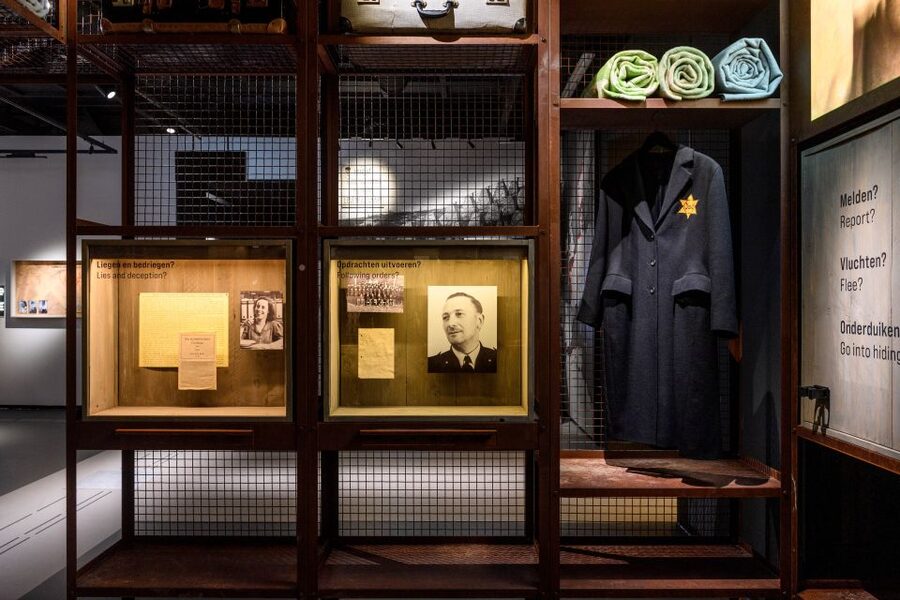
Amsterdam’s Dutch Resistance Museum does something many war museums miss: it shows how ordinary people faced impossible choices under Nazi occupation. You move from strikes and forged documents to hiding networks, underground newspapers, espionage, and armed resistance, while personal stories keep the subject human.
I like the clear, self-guided audio system, which lets you scan selected exhibits rather than listen to every item. I also like the dedicated section on the Dutch East Indies, where the story expands beyond occupied Europe. The main consideration is time: two hours gives you a good visit, but three hours is better if you want to hear and read most of the material.
In This Review
- Key points to know before you go
- Why this museum tells the war differently
- Walking through the Netherlands under occupation
- Resistance beyond the battlefield
- Personal documents make the subject immediate
- The Dutch East Indies section adds an essential chapter
- How the audio guide works
- How long should you allow?
- Who will get the most from this visit?
- Price, access, and practical value
- A thoughtful stop near Amsterdam’s other war memorials
- Final verdict: should you book it?
- FAQ
- How long does the Dutch Resistance Museum visit take?
- What languages are available for the audio guide?
- Is a live guide included?
- What subjects does the museum cover?
- Does the museum cover the Dutch East Indies?
- Is the Dutch Resistance Museum wheelchair accessible?
- Can I cancel the ticket if my plans change?
Key points to know before you go
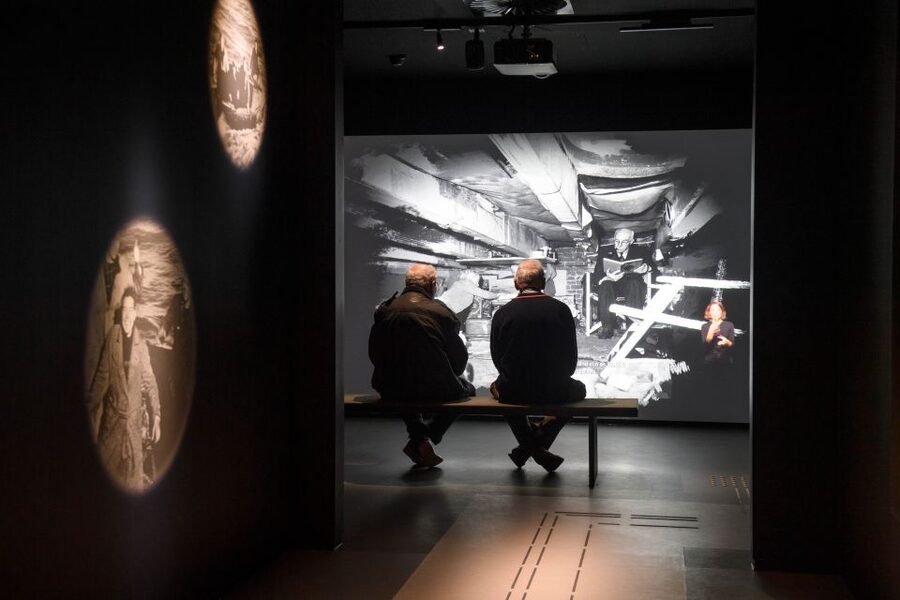
- Personal stories lead the way: Documents, photographs, objects, and film clips show how occupation changed daily life.
- Resistance takes many forms: The museum covers strikes, forged papers, hiding places, underground newspapers, escape routes, espionage, and armed action.
- The audio guide is flexible: Scan the QR code at an exhibit and choose what you want to hear in Dutch, English, French, German, Italian, Spanish, or Portuguese.
- The Dutch East Indies gets its own section: You’ll learn about Dutch colonial subjects and prisoners who suffered under Japanese rule.
- Plan at least two hours: The exhibition is compact from the outside but takes much longer to absorb than expected.
- Wheelchair access is available: The museum is designed to be accessible, and the handheld audio units let you sit while listening.
Why this museum tells the war differently
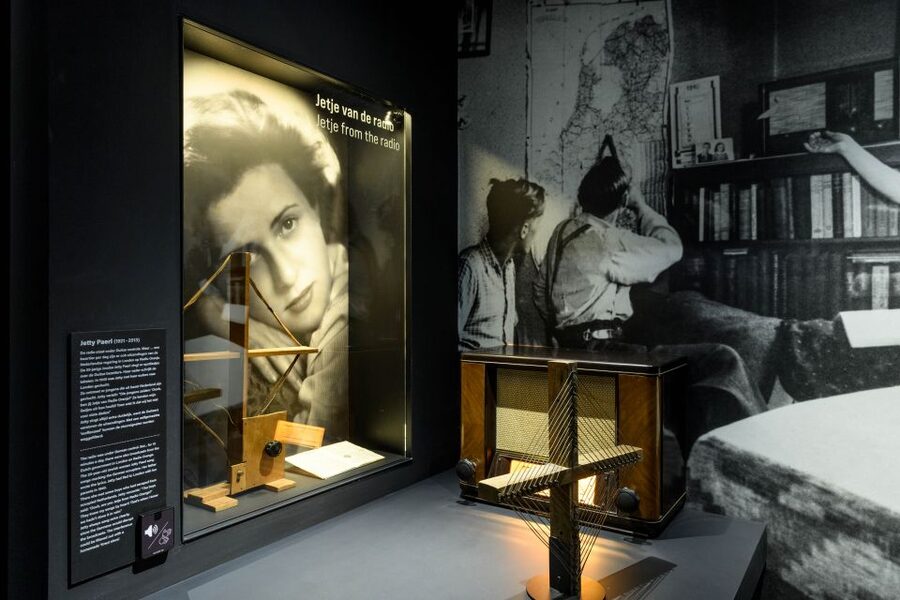
Most people arriving in Amsterdam already know something about Anne Frank. This museum widens the picture. It asks what happened to the rest of the population when German forces occupied the Netherlands, and how people responded in daily life.
That response was not one simple story of courage. Some people resisted. Some tried to keep their heads down. Some collaborated. Many made choices with incomplete information, under threat of arrest, deportation, or punishment. The museum is strongest when it shows these pressures without turning the past into a tidy story of heroes and villains.
You’ll see how resistance could begin with a public strike, a hidden newspaper, or a forged identity document. Helping someone find a place to hide could be as dangerous as joining an armed group. The exhibition also shows the risks faced by people who hid others, carried messages, arranged escape routes, or passed information through underground networks.
I appreciate this wider definition of resistance. It helps you understand that courage did not always look dramatic. Sometimes it meant quietly refusing an order, protecting a neighbor, or using a small skill at enormous personal risk.
More Entry Tickets in Amsterdam
- Amsterdam: Van Gogh Museum Ticket
★ 4.7 · 52,054 reviews - Amsterdam: Heineken Experience Ticket
★ 4.6 · 30,055 reviews - Amsterdam: Rijksmuseum Entry Ticket
★ 4.7 · 25,535 reviews
Walking through the Netherlands under occupation
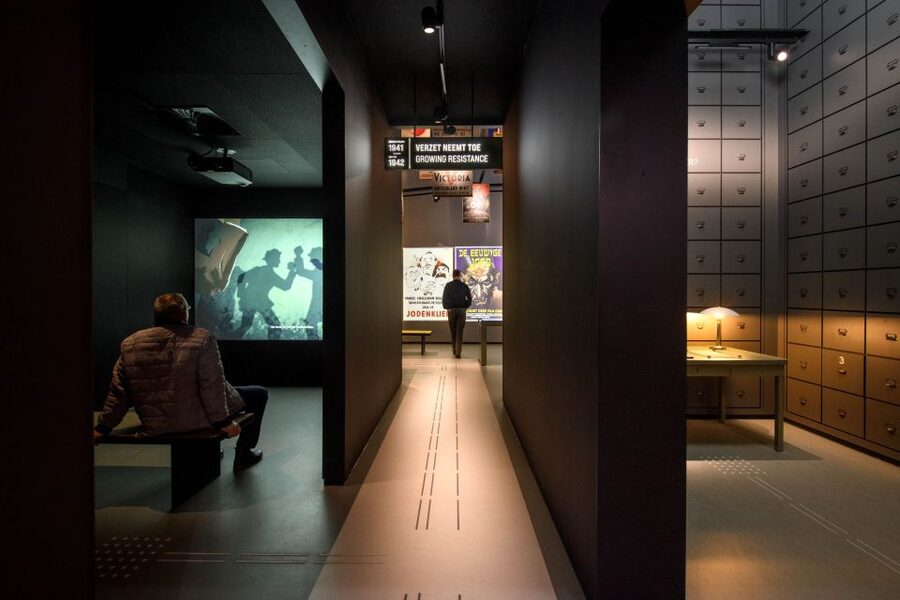
The museum creates a visual sense of the 1940s with walls covered in photographs and scenes that evoke streets during the occupation. Rather than presenting only a line of dates, it places you among the people who had to live through those years.
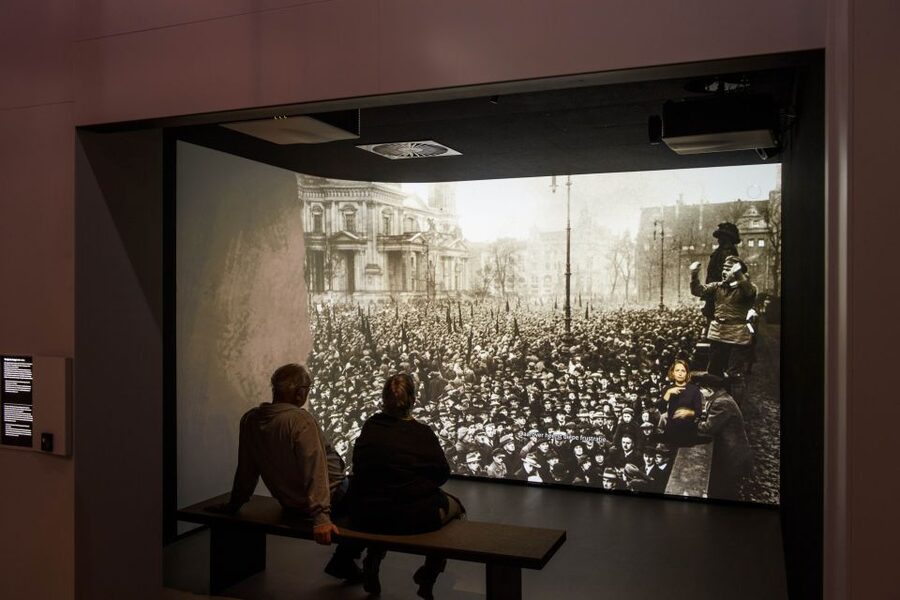
The early sections establish the invasion and occupation before turning to the choices that followed. Photographs, documents, wartime objects, and short films explain how military control affected everyday life. The material is direct, but the museum does not depend on shock alone. It gives you enough context to understand what each object meant and why it mattered.
You might stop at a propaganda display, where interactive elements help explain how information was used to influence the public. This is one of the more accessible ways to understand that occupation was not only enforced through soldiers and police. Posters, announcements, restrictions, and public messages also shaped what people were allowed to know and say.
The exhibition layout is easy to follow, with a clear route through the subject. Still, do not rush from room to room. Small documents may tell you more than the larger displays, especially when you listen to the accompanying account.
Resistance beyond the battlefield
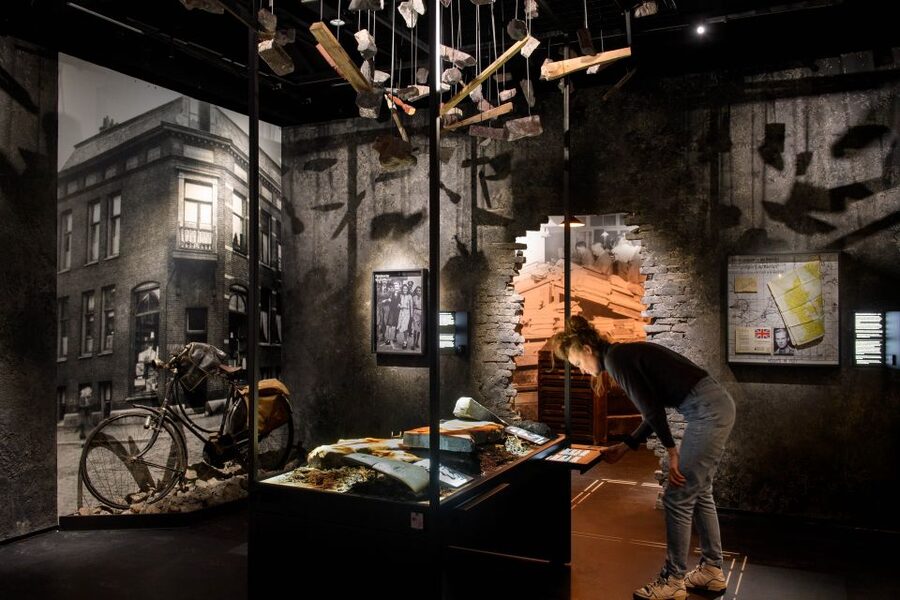
The museum’s main strength is its range. It does not reduce the resistance to armed attacks or sabotage.
One section explains strikes, including the idea that workers could resist through collective action. Another looks at the production of forged documents, a practical but perilous task. A false identity could help someone avoid arrest, secure food, or pass a checkpoint, but anyone involved in making or distributing it could also be exposed.
The exhibition covers help for people going into hiding, underground newspapers, escape routes, espionage, and armed resistance. These subjects connect the public acts of resistance with the quieter work that made them possible. A person hiding in an attic needed food, information, and someone willing to take a risk outside. An underground paper needed writers, printers, couriers, and readers.
This is where the museum gives you useful perspective. Resistance was often a chain of actions rather than one brave gesture. If one link failed, many people could suffer.
The displays also make room for cooperation with the occupying authorities and for the difficult choices of those who did not resist. That balance matters. It gives you a more honest picture of a society under military rule and avoids suggesting that everyone responded in the same way.
Personal documents make the subject immediate
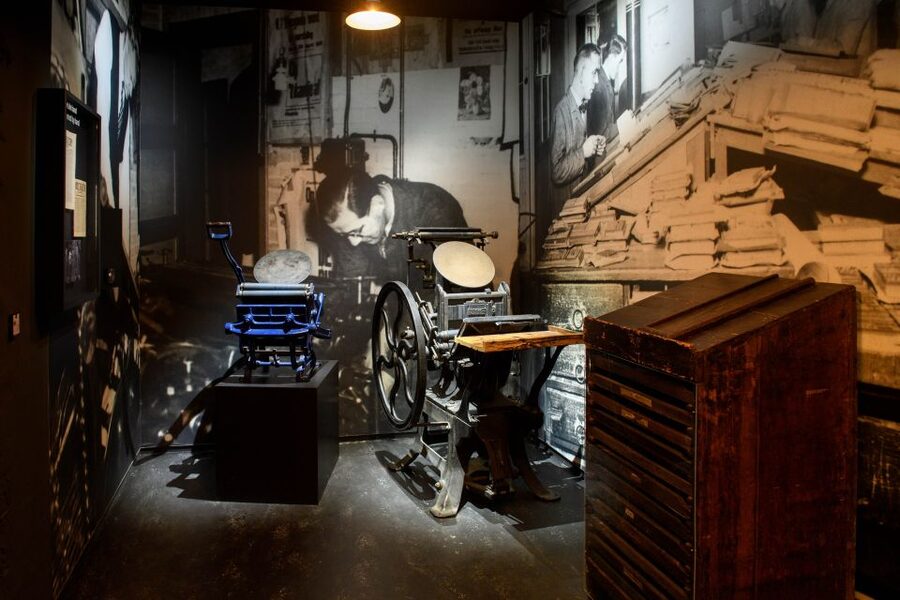
The most moving parts of the museum are the personal accounts. Letters, identity papers, photographs, and other documents show people dealing with fear, uncertainty, hunger, separation, and moral pressure.
You are not simply told that the occupation was difficult. You see how it affected individual families and communities. A document can reveal a change of name, a forced decision, or the practical problem of finding safety. A photograph can put a face to a story that might otherwise remain abstract.
The museum presents many different lives rather than following only one person from beginning to end. I find that useful because it shows the variety of wartime experiences, though you may occasionally wish for a single story to carry you through all the years.
The personal material also gives the museum its emotional weight. It is serious and at times painful, but the accounts are presented in a way that remains understandable for people with only a basic knowledge of World War II.
More Museum Tours in Amsterdam
- Moco Museum Amsterdam Entrance Tickets with Banksy & More
★ 4.4 · 10,088 reviews - Amsterdam: The Upside Down Museum Entrance Ticket
★ 4.4 · 9,506 reviews - Amsterdam: Red Light Secrets Museum Entry Ticket
★ 4.2 · 5,722 reviews - Amsterdam’s Weirdest Museum: Believe It or Not!
★ 4.5 · 4,086 reviews
The Dutch East Indies section adds an essential chapter
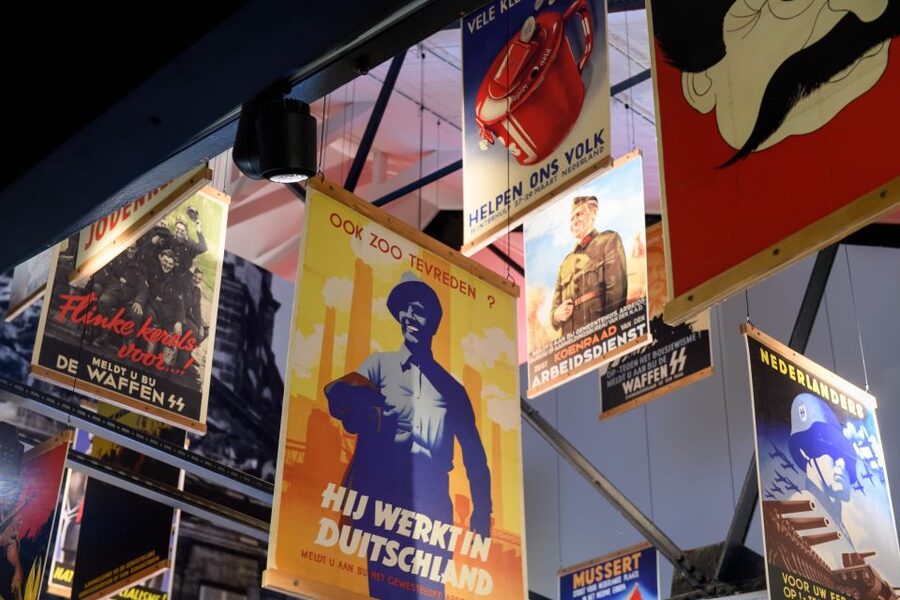
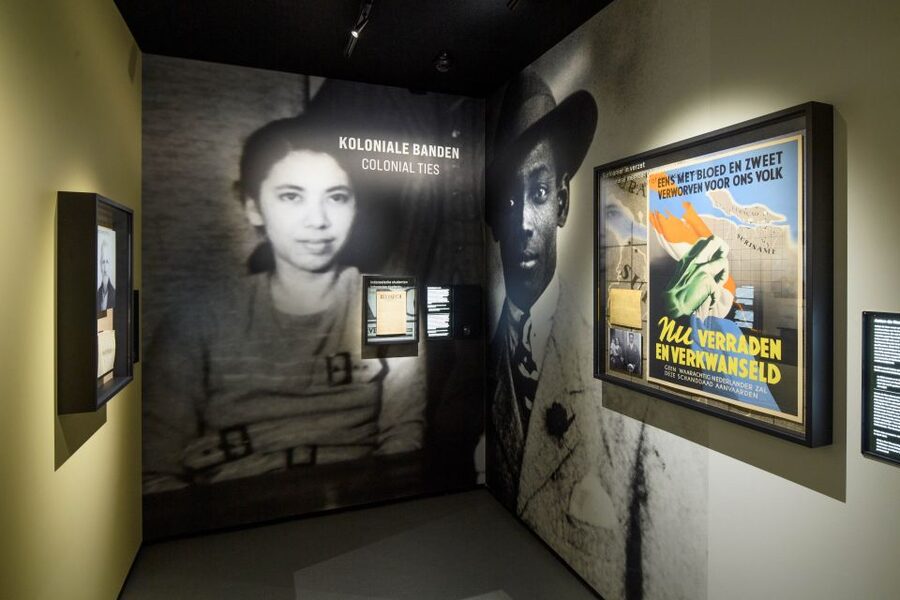
A dedicated part of the museum covers the former Dutch East Indies during Japanese rule. This section is easy to overlook if you arrive focused only on the occupation of the Netherlands, but it adds important context.
You’ll learn about the harsh experiences of people in the colonies, including those who lived under the Japanese regime of terror and those held as prisoners. The subject broadens the museum’s view of the Dutch wartime experience. The war did not affect the Netherlands and the East Indies in the same way, and this section makes that clear.
For anyone with family connections to Indonesia or the former Dutch East Indies, this part may carry particular weight. It also helps you see that the story of the Netherlands during World War II extends beyond Amsterdam’s streets.
The museum does not treat this as a brief footnote. Giving it dedicated space makes the overall visit more complete and gives you a better sense of the different communities caught up in the war.
How the audio guide works
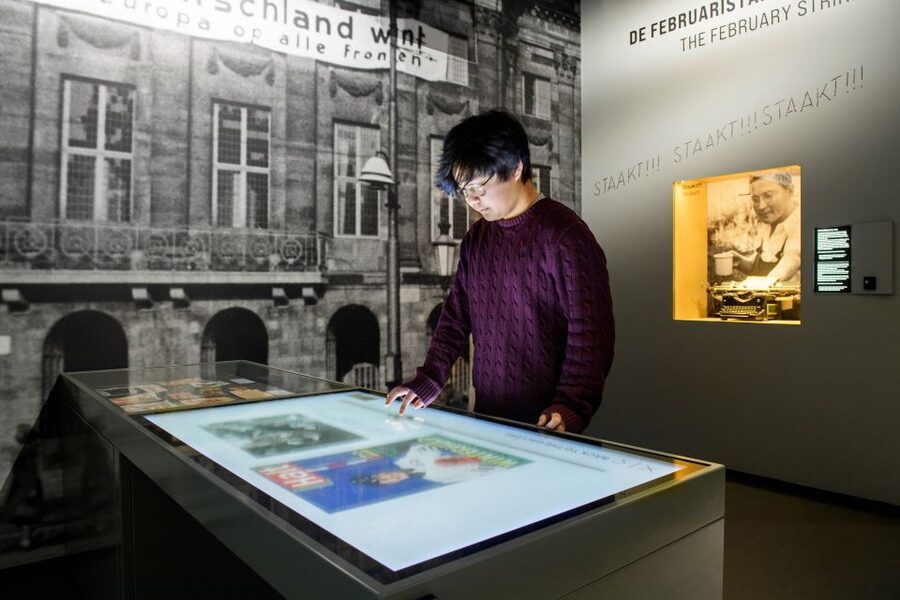
Your ticket includes an audio guide, and the system is one of the most useful parts of the visit. Instead of being locked into a long numbered commentary, you use a handheld unit to scan the QR code connected with an exhibit.
That means you can choose your pace. If a display already makes sense to you, move on. If a personal story catches your attention, listen to the full account. This is especially helpful in a museum with a lot of text and many individual stories.
The guide is available in Dutch, English, French, German, Italian, Spanish, and Portuguese. English speakers should find the material easy to follow, and the audio can make the museum more accessible if reading a large amount of text is tiring.
Bring patience when scanning. One visitor found that the unit occasionally started an audio selection over again, and technical handling may take a little practice. The good news is that the system is designed for selective listening, not just a fixed tour.
The handheld units also give you a practical way to rest while continuing to learn. If your back or legs need a break, you can sit for part of the visit and listen rather than miss the information.
How long should you allow?
The official validity is one day, but most people will not need a full day inside unless you want to examine every item in detail. Plan two to three hours for a satisfying visit.
Two hours works if you listen to the main explanations and read the displays at a steady pace. Give yourself closer to three hours if you are interested in World War II, want to hear most of the personal accounts, or plan to spend time with the films and interactive material.
The museum can feel smaller than expected when you first arrive. Keep going. The exhibition extends farther inside, and the amount of material builds as you proceed.
Do not schedule another fixed tour immediately afterward. A rushed final section would weaken the visit, especially because the later displays and personal stories deserve quiet attention. If you finish in around two hours, you can use the extra time for a nearby meal or another museum rather than trying to force the entire experience into a short slot.
Who will get the most from this visit?
This is a strong choice for anyone interested in World War II, Dutch history, Jewish history, or the moral choices created by occupation. It also suits people who want more than a single famous story about Amsterdam during the war.
You do not need specialist knowledge. The museum explains the setting clearly, and the combination of short films, objects, photographs, and audio makes the material approachable for first-time learners.
Families with older children and teenagers may find the format easier to follow than a museum made up only of long written panels. The interactive propaganda material and scan-and-listen system offer different ways into the subject.
It is also a good choice if you prefer to set your own pace. There is no live guide leading you from one stop to the next, so you can pause, skip, or return to material that interests you.
This is not a light sightseeing stop. The subject includes persecution, deportation, imprisonment, and life under a brutal regime. If you want a quick, cheerful break between canals and cafés, choose something else. If you are ready for a quiet and serious museum visit, the format rewards your time.
Price, access, and practical value
At about $21 per person, the ticket is not the cheapest museum admission in Amsterdam, but it includes the audio guide and access for the full day. The value is good if you spend at least two hours inside and make use of the personal accounts, films, and interactive displays.
I would not book it simply to tick off another attraction. The value comes from giving the museum enough time. A 45-minute visit would cover the basic outline but miss much of what makes the place worthwhile.
You show your ticket at the museum counter on arrival. Food and drinks are not included, although there is a restaurant attached to the museum, making it easy to continue the conversation over a meal after your visit.
The museum is wheelchair accessible. The audio equipment is also helpful for anyone who finds dense written displays difficult, though the information is delivered through a handheld device rather than a live guide.
Flexible booking is available, with cancellation up to 24 hours before the activity for a full refund. You can also reserve now and pay later, which is useful when your Amsterdam schedule is still changing.
A thoughtful stop near Amsterdam’s other war memorials
The museum works well alongside other Amsterdam sites connected with wartime persecution. One nearby memorial location connected with Jewish deportations is the Hollandsche Schouwburg, now a place of remembrance.
You do not need to combine the two, but visiting both can help you place the museum’s broader account alongside a specific site of deportation and mourning. Plan enough emotional space between them. These are not attractions to rush through back to back simply because they are close.
The Resistance Museum gives you the wider social picture: occupation, daily decisions, organized resistance, collaboration, and colonial experiences. A memorial site gives you a more concentrated place for remembrance. Together, they can add meaning to what you have learned.
Final verdict: should you book it?
Book this museum if you want a clear, personal, and well-organized account of how Dutch people lived under Nazi occupation. I especially recommend it if you have already seen Amsterdam’s better-known Anne Frank sites and want to understand the wider network of resistance and collaboration.
Allow two hours at the absolute minimum, and three if you want to listen to the stories in full. The flexible audio guide, strong visual displays, accessible layout, and Dutch East Indies section make the $21 ticket good value for a serious museum visit.
Skip it if you are looking only for a brief attraction or find wartime subjects too heavy. For everyone else, this is one of Amsterdam’s most worthwhile history museums, particularly because it gives everyday choices the attention they deserve.
FAQ
How long does the Dutch Resistance Museum visit take?
Allow two to three hours. Two hours is enough for a solid visit, while three hours gives you time to hear and read more of the individual stories, films, and displays.
What languages are available for the audio guide?
The audio guide is available in Dutch, English, French, German, Italian, Spanish, and Portuguese.
Is a live guide included?
No. The ticket includes museum entry and an audio guide, but not a live guide.
What subjects does the museum cover?
It covers strikes, forged documents, helping people go into hiding, underground newspapers, escape routes, armed resistance, espionage, collaboration, and daily life during the German occupation.
Does the museum cover the Dutch East Indies?
Yes. A dedicated section explains the experiences of people in the former Dutch East Indies under Japanese rule, including the terror and imprisonment faced by many.
Is the Dutch Resistance Museum wheelchair accessible?
Yes. The museum is wheelchair accessible.
Can I cancel the ticket if my plans change?
Yes. You can cancel up to 24 hours in advance for a full refund. Reserve now and pay later is also available.
More Museums and Galleries in Amsterdam
- Amsterdam: Van Gogh Museum Ticket and City Canal Cruise
★ 4.6 · 3,899 reviews - Amsterdam: Rembrandt House Museum Entrance Ticket
★ 4.7 · 3,385 reviews - Amsterdam: Van Gogh Museum Ticket & Canal Cruise
★ 4.5 · 3,304 reviews - Amsterdam: NEMO Science Museum Ticket
★ 4.4 · 2,979 reviews
More Anne Frank and Jewish Heritage Walks
- Anne Frank’s Story – Guided Walking Tour through Amsterdam
★ 5.0 · 11,619 reviews - Amsterdam: Life of Anne Frank and World War II Walking Tour
★ 4.8 · 10,467 reviews - Amsterdam: Anne Frank Guided Small Group Walking Tour
★ 4.8 · 2,722 reviews - Amsterdam: Anne Frank Walking Tour – Guided in EN/DE/IT/ES
★ 4.9 · 2,676 reviews
Just added around Amsterdam
- Amsterdam: Food and Canal Tour★ 4.6 · 22 reviews
- Segway City Tours Amsterdam★ 4.3 · 23 reviews
- Amsterdam Canal Cruise in Classic Salon Boat With Drinks and Cheese★ 4.0 · 22 reviews
- Discover Deventer with an Outside Escape city game tour!★ 4.5 · 23 reviews
- Historical Walking Tour, private with local Dutch guide★ 5.0 · 23 reviews
- Utrecht Food Tour on a Bicycle with local guide★ 5.0 · 23 reviews
- Amsterdam: Captain For a Day 2-Hour Boat Rental★ 4.9 · 23 reviews
- Amsterdam Small-Group Breakfast Morning Cruise★ 5.0 · 23 reviews
Anne Frank & Jewish Heritage Tours, compared.
Anne Frank’s Story – Guided Walking Tour through Amsterdam
Read our review →
Life of Anne Frank and World War II Walking Tour
Read our review →

Anne Frank Walking Tour – Guided in EN/DE/IT/ES
Read our review →
Anne Frank Walking Tour Amsterdam Including Jewish Cultural Quarter
Read our review →
Anne Frank’s Last Walk & See Anne Frank House in Virtual Reality
Read our review →
Oranjehotel World War II Prison Entrance Ticket
Read our review →
Anne Frank and Jewish Quarter Amsterdam Private Walking Tour
Read our review →Browse the lists this tour appears in