
Reviewed · MUSEUMS
The Hague: Prison Gate Museum
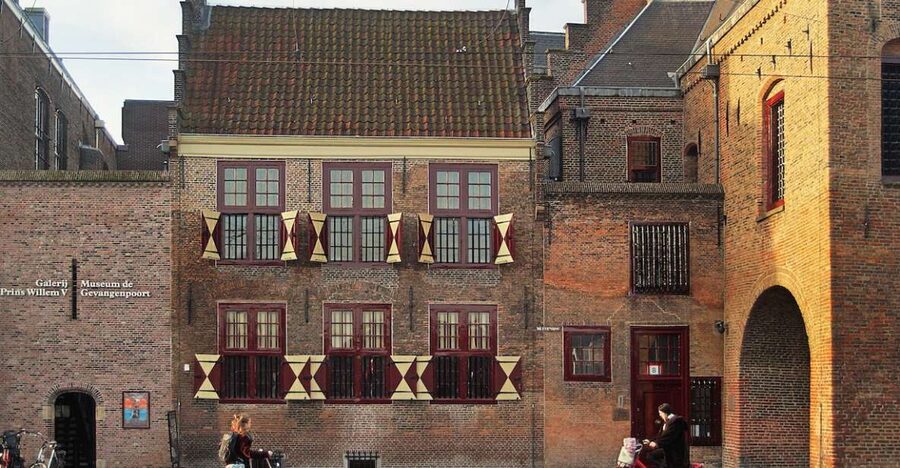
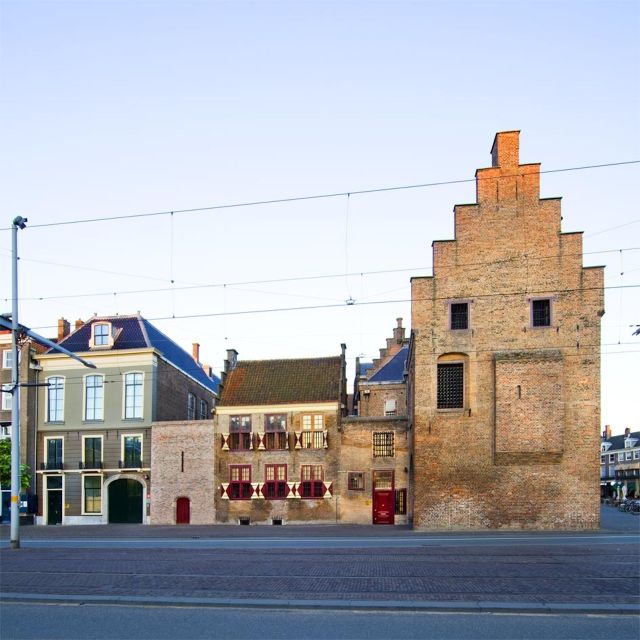
The most gripping part of the Prison Gate Museum is the building itself. This was not a prison built for display. In the 13th century, it guarded the entrance to the Binnenhof. Later, it held suspects and debtors while the powerful Hof van Holland decided their fate. The walls are the main exhibit.
I like the clear link between the rooms and Dutch political history, especially the story of Johan and Cornelis de Witt. I also like that the museum does not stop at famous names. You can see old cells, court spaces, and a national collection of torture and punishment instruments. The main drawback is simple: the admission is self-guided, so you will not have a guide explaining each room unless a separate guided option is available.
In This Review
- Key points to know before you go
- Why this old gate matters in The Hague
- Entering the medieval Prison Gate
- Cells, status, and daily confinement
- The courtroom and the wait for judgment
- The De Witt brothers and Dutch political history
- Torture and punishment instruments
- A self-guided visit for independent museumgoers
- Who will enjoy the Prison Gate Museum most?
- Booking details worth knowing
- Should you book this museum?
- FAQ
- Where is the Prison Gate Museum located?
- How much does admission cost?
- Is a guided tour included?
- What can I see inside the museum?
- Which Dutch figures were imprisoned there?
- What is included with admission?
- Can I cancel my booking?
Key points to know before you go
- A medieval gateway became a prison: The building began as an imposing entrance to the Binnenhof before taking on its later role as a jail and courthouse.
- The De Witt brothers are tied to the site: Johan and Cornelis de Witt were imprisoned here, connecting the museum to one of the darkest episodes in Dutch history.
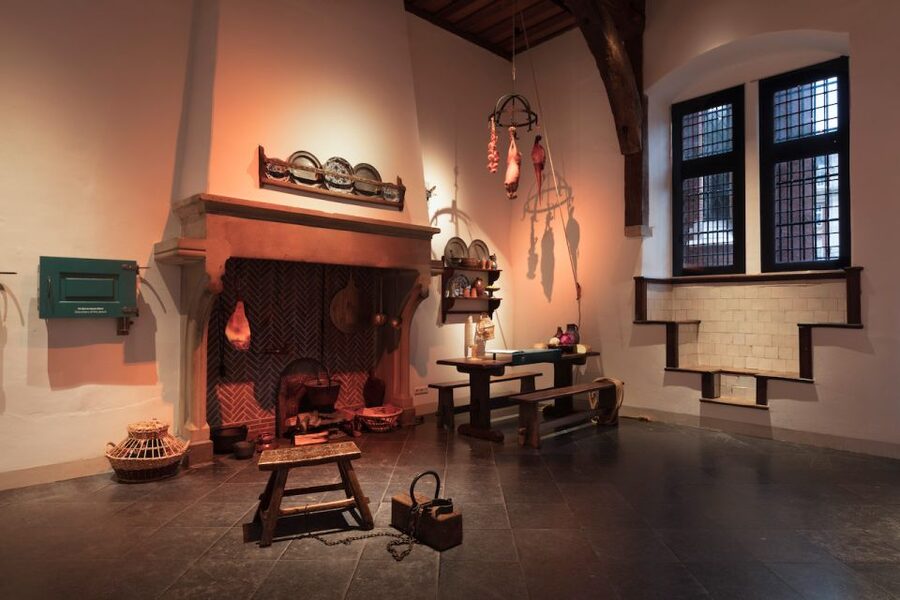
- You can see centuries-old prison cells: The rooms help you picture the difference between confinement for suspects, debtors, and prisoners of different social standing.
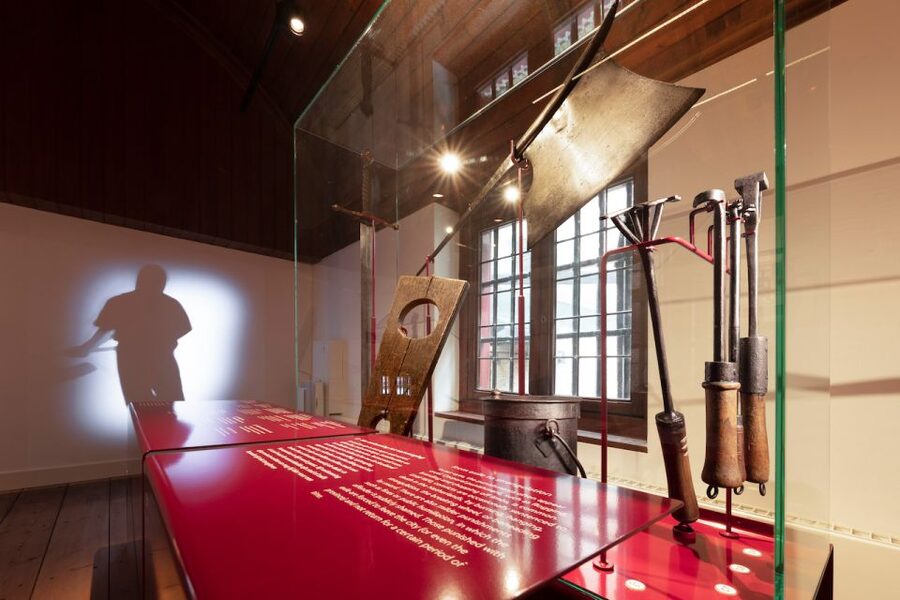
- Punishment tools are part of the collection: The museum displays instruments used for torture and other penalties.
- This is a self-guided visit: Entry, Wi-Fi, and a wardrobe are included, but a guided tour is not.
- The setting is central and scenic: The Prison Gate sits beside the Hofvijver in The Hague, making it easy to pair with other central sights.
Why this old gate matters in The Hague
Rijksmuseum de Gevangenpoort tells its story through a building that once had several jobs. It started as a 13th-century gateway to the Binnenhof, the seat of political power in The Hague. Later, the same structure became a prison and courthouse for the Hof van Holland.
That change tells you something useful before you even enter. This was not an isolated jail at the edge of town. It was part of the machinery of government and justice. People suspected of crimes waited here for trial. Defaulters were imprisoned here. Legal decisions made in this setting could affect a person’s freedom, money, and reputation.
I find that context more useful than a simple display of old objects. A torture instrument in a glass case can feel remote. Seeing it within a building where people were held and judged gives it a harder edge. You can connect the object to the rooms, the court, and the system that used it.
The location beside the Hofvijver adds to the experience. The museum is in the middle of The Hague’s historic center, not tucked away in an industrial area or outside town. You can visit the Prison Gate as part of a day around the Hofvijver and Binnenhof area, though the ticket itself is valid for one day and does not describe a longer guided itinerary.
More Museum Tours in The Hague
- The Hague: Escher in The Palace Museum Ticket
★ 4.6 · 896 reviews - Royal Delft: Delftblue Factory and Museum Admission Ticket
★ 4.5 · 145 reviews - The Hague: Panorama Mesdag Museum Entry Ticket
★ 4.8 · 143 reviews
Entering the medieval Prison Gate
The first thing to appreciate is the shape of the place. The building began as a gate, so its original purpose was defensive and ceremonial. It marked an entrance to the Binnenhof, rather than simply serving as a place to lock people away.
Over the centuries, its function changed. The gateway became a prison and courthouse, and its rooms took on a more troubling role. Prisoners waited for their hearings here. Debtors could be confined here. The court of the Hof van Holland used the building to handle serious legal matters.
As you move through the museum, try to keep those layers in mind. You are not walking through a reconstructed attraction made to resemble an old jail. You are visiting a real historic monument whose political, legal, and prison roles overlap.
The setting also makes the visit easy to place in the city. The Prison Gate sits on the Hofvijver, close to the Binnenhof. If you already plan to see central The Hague, this museum requires little extra travel time. The activity information does not specify a separate transport service, meeting point away from the museum, or transfer, so plan to arrive at the museum itself.
Cells, status, and daily confinement
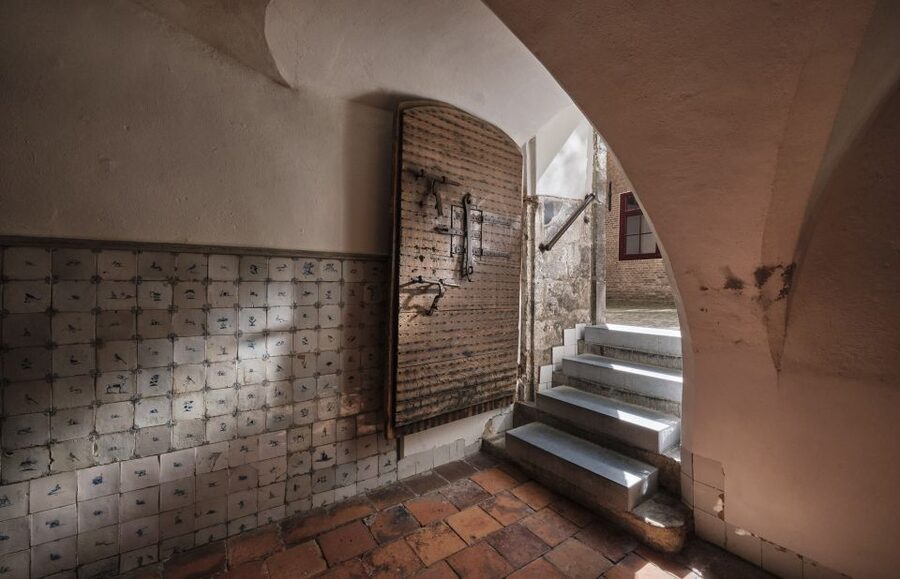
The old prison cells are the heart of the visit. They help answer the questions that make prison history worth studying: Where were people held? How long did they wait? Did wealth or social position affect their treatment?
The museum specifically addresses the difference between poor and rich prisoners. That is an important part of the story, since justice in earlier centuries did not operate with the same expectations of equal treatment that you bring today. A prison cell was not simply a standard room assigned at random. Social position could shape a prisoner’s experience.
I like this angle because it moves the visit beyond shock value. You are not only looking at thick walls and gloomy rooms. You are also considering how law worked in practice. Two people could face the same system but experience confinement in very different ways.
The available details do not give the size of every cell, the number of rooms open on a particular day, or the exact length of the route. For that reason, I would not plan the museum around a precise minute-by-minute schedule. Treat it as a focused historic visit that you can explore at your own pace.
The listing gives the duration as one day, but that is best understood as ticket validity rather than a nonstop day inside the museum. You should check the available starting times and opening details when booking. The admission is valid for one day, and the visit is not described as a full-day tour with meals or transport.
The courtroom and the wait for judgment
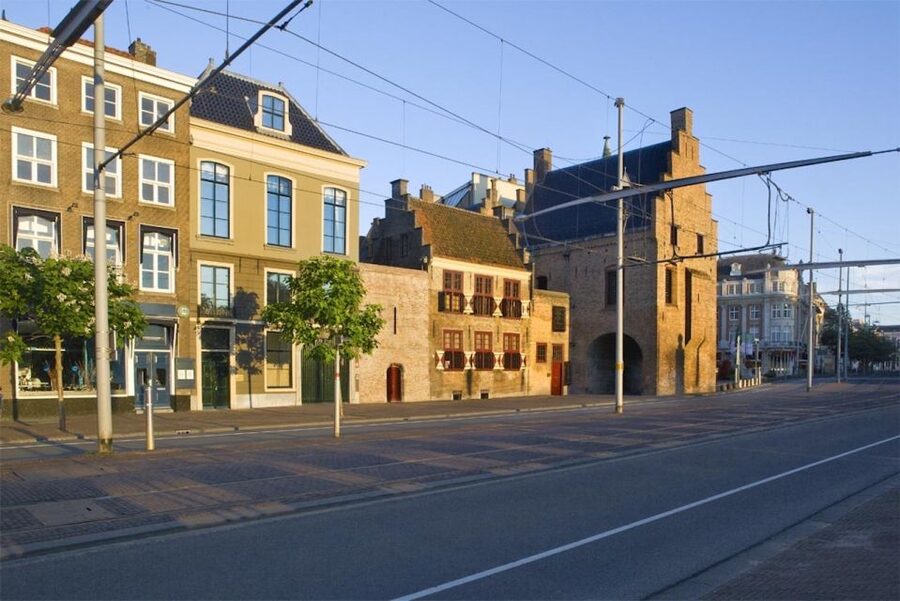
The Prison Gate was also a courthouse, and that makes the visit more than a look at prison architecture. Suspects were held while they awaited trial, and the court of the Hof van Holland dealt with legal cases in this setting.
One of the most useful questions raised by the museum is where prisoners heard their verdict. That question turns an abstract legal process into a physical one. The building contained the spaces where waiting, questioning, judgment, and punishment were connected.
Because the visit is unguided, you will need to take responsibility for the pace and focus of your visit. That can be a benefit if you like reading and pausing over details. You can spend more time with the De Witt story or the punishment collection, then move on when you have had enough.
It can also be a limitation. The activity description refers to a tour with a guide when explaining the museum’s broader presentation, but the specific ticket information says the experience is without a guide and that a guided tour is not included. If you want a live explanation, ask about separate guided options before booking rather than assuming one comes with admission.
More museums and galleries in The Hague:
- Vermeer Centrum Delft Museum Admission Ticket
★ 4.0 · 45 reviews - Amsterdam: Van Gogh Museum Ticket
★ 4.7 · 52,054 reviews - Moco Museum Amsterdam Entrance Tickets with Banksy & More
★ 4.4 · 10,088 reviews - Amsterdam: The Upside Down Museum Entrance Ticket
★ 4.4 · 9,506 reviews
The De Witt brothers and Dutch political history
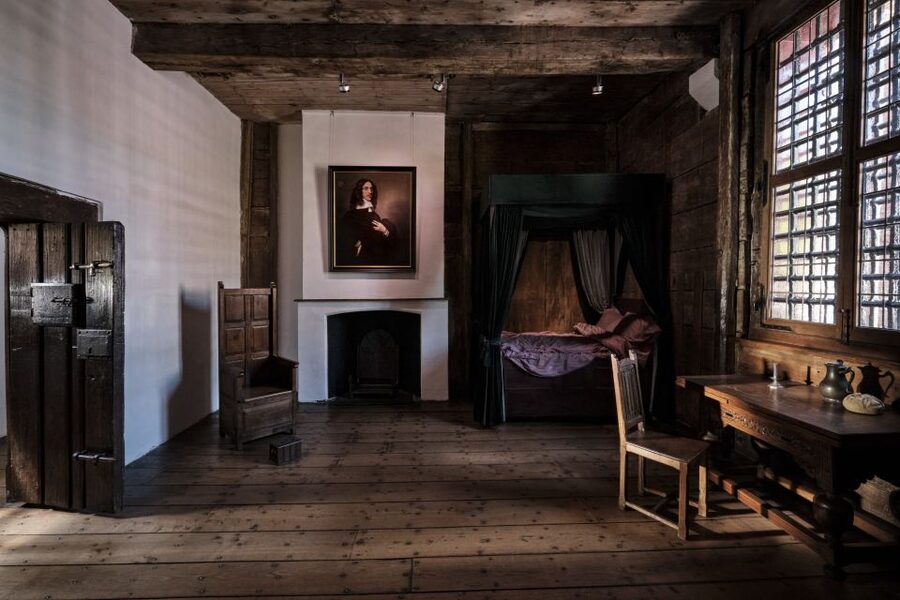
The museum is closely tied to Johan and Cornelis de Witt, two major Dutch figures who were imprisoned at the Prison Gate. Their murder is identified as one of the important moments in Dutch history connected with the building.
You do not need to arrive with a detailed knowledge of 17th-century Dutch politics to understand why this matters. The key point is that the Prison Gate was involved in events reaching far beyond ordinary criminal cases. Its rooms were linked to power struggles and political violence, not just the punishment of common offenders.
That connection gives the museum a strong human focus. Instead of hearing only about nameless prisoners, you encounter a site associated with people whose decisions affected the Dutch Republic. Their story shows how a prison and courthouse could become part of national political drama.
I would give this section time, even if political history is not your main interest. The De Witt brothers provide a clear thread through the building. Their story also reinforces the central idea of the museum: crime, punishment, law, and politics were not separate worlds.
Torture and punishment instruments
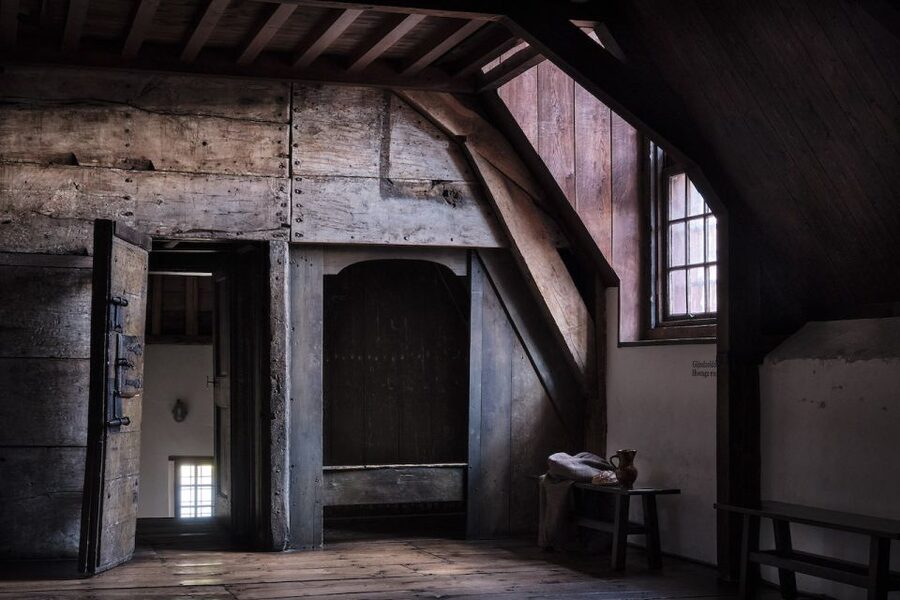
The museum contains the national collection of torture and punishment instruments. This is likely to be the most confronting section, and it is also the part most likely to attract visitors who want a direct look at historical justice.
The objects matter because they show how punishment was carried out, not just how it was described in legal language. They bring the physical reality of interrogation and sentencing into view. At the same time, this is not a light museum stop. Some people will find the instruments upsetting or difficult to examine closely.
I appreciate that the collection is presented within the larger story of imprisonment and trial. You can consider why these tools existed, who controlled their use, and how the court system connected to punishment. The museum is asking you to think about an entire process, from accusation to confinement, judgment, and penalty.
Do not expect food or drinks to be part of the experience. They are not included. Wi-Fi and a wardrobe are included, which is practical when you are carrying a coat or bag during a city day, but the supplied information does not give details about cafés, storage limits, or other facilities.
A self-guided visit for independent museumgoers
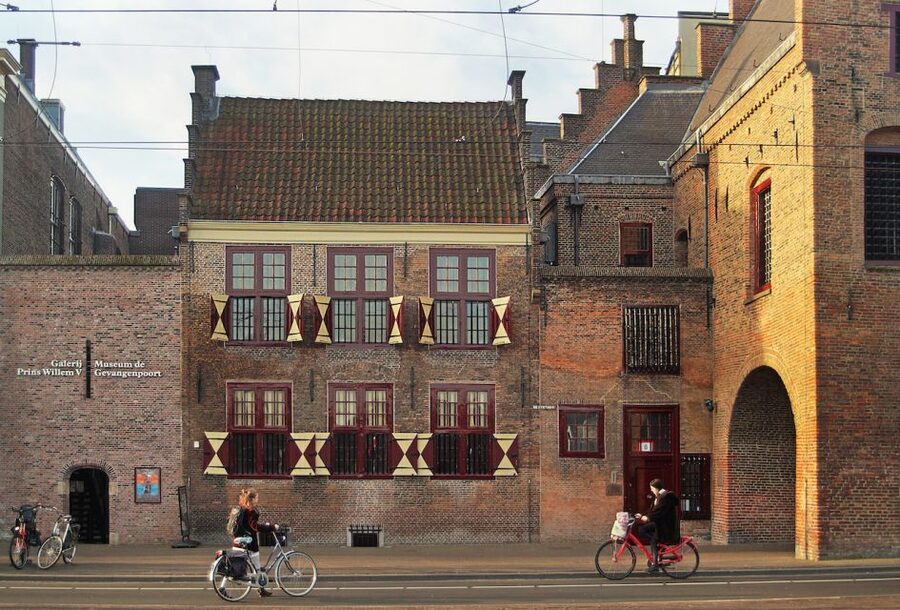
The $18 price is reasonable if you want a concentrated look at a major historic building with strong links to Dutch law and politics. You are paying for access to the monument, prison cells, court history, and the torture and punishment collection, not for transport, refreshments, or a live guide.
That distinction is important. A guided tour can help you understand difficult history quickly, especially if you have limited time in The Hague. This ticket gives you freedom instead. You can read at your own pace, pause in the rooms that interest you, and avoid being rushed through a fixed group route.
The positive response to the presentation is understandable. The museum tells the prison’s history through a story, rather than offering only a row of disconnected objects. That approach should help you follow the building’s changing role and the events linked to it.
Still, your experience will depend partly on how much context you bring or choose to read. If you prefer a guide who explains the politics, legal customs, and punishment methods as you go, this basic admission may feel a little spare. I would choose it for an independent visit and seek a separate guided option if interpretation is your top priority.
Who will enjoy the Prison Gate Museum most?
I recommend this museum if you enjoy historic buildings with a serious story behind them. It is a good match for anyone interested in Dutch political history, old court systems, prisons, or the history of punishment.
The De Witt connection makes it especially useful for visitors who want to understand The Hague as a political center. The building’s location beside the Hofvijver and near the Binnenhof also makes it a practical addition to a central sightseeing day.
Families with older children may find the cells and punishment instruments memorable, though parents should decide how suitable the material is for their children. The museum’s subject is not gentle, and the torture collection may be unsettling.
You may want to skip it if you only want bright art, broad city views, or a relaxed indoor attraction. This is a compact, serious museum about confinement, judgment, and punishment. Its appeal comes from the subject and setting, not from entertainment.
Booking details worth knowing
The admission costs $18 per person. Food and drinks are not included, and the basic experience is without a guide. Entry, Wi-Fi, and use of a wardrobe are included.
The ticket is valid for one day, with starting times based on availability. You can cancel up to 24 hours in advance for a full refund, and the reserve-now, pay-later option lets you hold a place without paying immediately.
The information provided does not name a guide, because no guide is included with this ticket. It also does not specify a group size, visit length inside the museum, or detailed accessibility arrangements. If any of those points affect your plans, check them directly before confirming.
The museum has earned a 4.5 rating from 58 reviews, and the strongest praise centers on its impressive, clear presentation of the prison’s story. That fits the experience well: the setting and the way the history is organized are likely to matter more than the number of objects you see.
Should you book this museum?
Book the Prison Gate Museum if you want a well-located, historically important site that connects medieval architecture with Dutch justice and political history. The $18 fee offers solid value for an independent visit, especially if you are already exploring the Hofvijver and Binnenhof area.
Go in expecting old cells, legal history, and disturbing punishment instruments. Do not expect meals, transport, or a guide with the standard ticket. If you like to explore at your own pace and want to stand inside a place tied to the De Witt brothers, this is a worthwhile stop in The Hague. If you need a detailed explanation at every turn, confirm a guided option before booking.
FAQ
Where is the Prison Gate Museum located?
Rijksmuseum de Gevangenpoort is in The Hague, South Holland, beside the Hofvijver and near the Binnenhof.
How much does admission cost?
The listed price is $18 per person.
Is a guided tour included?
No. The ticket is for a self-guided visit, and a guided tour is not included.
What can I see inside the museum?
You can see centuries-old prison cells, learn about the building’s use as a courthouse and prison, and view a national collection of torture and punishment instruments.
Which Dutch figures were imprisoned there?
Johan and Cornelis de Witt were imprisoned at the Prison Gate. Their murder is one of the important events in Dutch history connected with the building.
What is included with admission?
Entry, Wi-Fi, and a wardrobe are included. Food and drinks are not included.
Can I cancel my booking?
Yes. You can cancel up to 24 hours in advance for a full refund. The reserve-now, pay-later option lets you book without paying immediately.
Just added around The Hague
- The Hague: Street Art Tour by Bike★ 4.8 · 30 reviews
- Vermeer Centrum Delft Museum Admission Ticket★ 4.0 · 45 reviews
- The Hague Tower Guided Tour★ 4.5 · 45 reviews
- Scheveningen Beach: 2-Hour Surf Experience for Adults★ 4.8 · 50 reviews
- Walking Tour of Delft – The City of Orange and Blue★ 5.0 · 50 reviews
- The Hague: One Way Boat Ticket to or from Delft★ 4.5 · 52 reviews
- The Hague: Courtyard Walking Tour★ 4.5 · 71 reviews
- The Hague: Beginner’s Surf Lesson★ 4.7 · 78 reviews
Museums, compared.

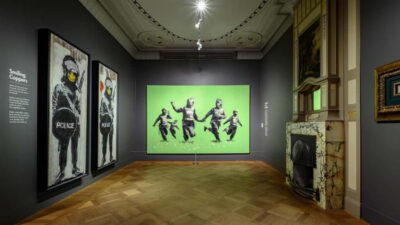
Moco Museum Amsterdam Entrance Tickets with Banksy & More
Read our review →


Amsterdam’s Weirdest Museum: Believe It or Not!
Read our review →


Browse the lists this tour appears in