
Reviewed · ROTTERDAM TOURS
Rotterdam: UNESCO Van Nelle Factory Guided Tour
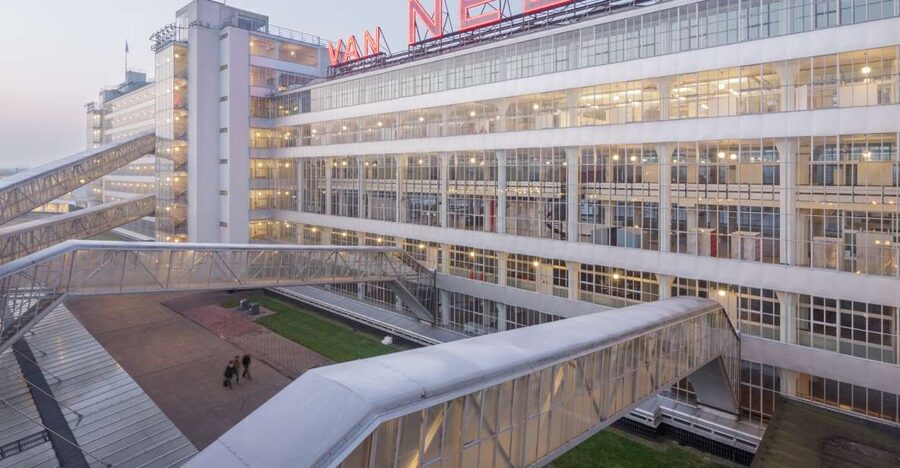
The Van Nelle Factory is not a grand palace or old trading house. It is a working industrial building turned architectural landmark, built around coffee, tea, and tobacco production. Its long glass walls, open interiors, and elevated transport bridges show how 1930s designers tried to create a cleaner, more efficient world.
I like two things here: the guide gives the building a human purpose, explaining how its design supported factory work, and your ticket adds entry to the small Chabot Museum of international Expressionism. The drawback is time. One hour gives you a sharp introduction, but not a leisurely look at every corner, especially if the group is large.
In This Review
- Key points to know before you go
- Why Van Nelle Factory matters in Rotterdam
- Meeting your guide at the porter’s lodge
- Walking through a 1930s factory built for light
- What one hour really gives you
- The production story behind the design
- The factory’s UNESCO status in plain language
- Adding the Chabot Museum to your day
- Price, value, and the main limitation
- Who will enjoy this tour most
- Practical planning for a smoother visit
- Should you book the Van Nelle Factory tour?
- FAQ
- Where does the Van Nelle Factory tour begin?
- How long does the guided tour last?
- What languages are available?
- What did the Van Nelle Factory produce?
- Why is Van Nelle Factory important?
- What architectural ideas are explained during the tour?
- Is entry to Van Nelle Factory included?
- Is the Chabot Museum included?
- Where is the Chabot Museum located?
- Can I visit the Chabot Museum at the same time as the factory?
Key points to know before you go
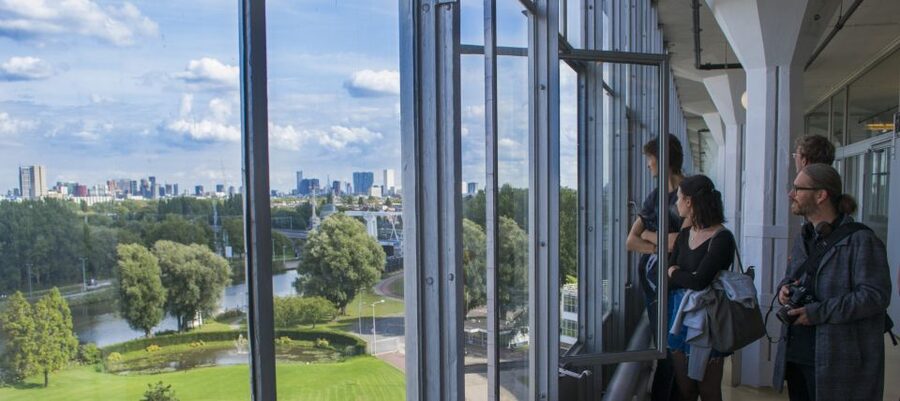
- Air, light, and space lead the story: The factory’s Modernist design was built around these three ideas.
- Coffee, tea, and tobacco shaped the site: You learn how production influenced the building’s layout and purpose.
- The tour lasts one hour: Expect a focused introduction rather than a full exploration of the entire complex.
- The Chabot Museum is a separate stop: It is in Museumpark, about 4 kilometers from Van Nelle Factory.
- Meet at the porter’s lodge: Your guide waits at the visitors reception near the entrance gate.
- English and Dutch tours are available: Check the starting time that suits your schedule.
Why Van Nelle Factory matters in Rotterdam
Rotterdam is often associated with modern architecture because much of the city was rebuilt and reshaped in the 20th century. The Van Nelle Factory gives you a clear look at the thinking behind that change. It was designed for industry, but it also treated workers, movement, daylight, and fresh air as important parts of the plan.
That makes the site more interesting than a simple old factory. You are not just looking at machinery or brick walls. You are seeing a building designed to make work more orderly and more open, with broad windows and generous space replacing the dark, cramped conditions often linked with older industrial buildings.
The factory processed coffee, tea, and tobacco. Those products help you picture the place as a busy production center rather than an abstract work of architecture. The guide connects the building’s appearance with its original function, so the wide floors and transport links begin to make practical sense.
Van Nelle Factory received UNESCO World Heritage status in 2014. That recognition matters because the building is valued not only as a Rotterdam landmark, but also as an important example of Modernist industrial architecture. The tour helps you understand why a factory can deserve the same serious attention as a church, palace, or historic town center.
A few more Rotterdam half-days to weigh up
- Rotterdam: Harbor Sightseeing Cruise
★ 4.3 · 7,599 reviews - Rotterdam: 1-Hour Sightseeing Splash Tour
★ 4.5 · 3,299 reviews - Rotterdam: Rotterdam Zoo Blijdorp Entry Ticket
★ 4.6 · 2,754 reviews
Meeting your guide at the porter’s lodge
You meet at Van Nelle Factory itself, at the visitors reception in the porter’s lodge near the gate at the entrance to the site. This detail matters because the complex is large enough that you should not expect to find your guide simply by walking into an obvious central lobby.
Give yourself enough time to reach the entrance and locate the reception point. The activity lasts only one hour, so a late start takes a noticeable bite out of the tour. The meeting point is at Van Nelleweg 1 in Rotterdam West, not at the Chabot Museum in the city center.
The guide leads the tour in Dutch or English. No individual guide names are provided, but the experience is built around a live guide rather than an audio recording or self-guided route. That is useful here because the building’s meaning is easy to miss if you only look at its exterior.
A guide can point out how the factory’s design connects to its production process and explain the changes that brought the site from industrial workplace to UNESCO-listed architectural landmark. You get interpretation as you walk, rather than a pile of information to read alone.
Walking through a 1930s factory built for light
The central pleasure of the tour is seeing the factory from inside and outside. The architectural idea is simple to describe but more powerful when you see it in place: air, light, and space were given a new role in industrial design.
Large areas of glazing and open planning help explain the building’s Modernist character. Instead of hiding production behind thick walls, the design made the interior feel connected to the outside. The tour shows how that visual openness was tied to a broader belief that architecture could help create a new kind of society.
You should pay attention to the contrast between the factory’s industrial purpose and its carefully considered design. Coffee, tea, and tobacco processing required practical rooms, movement, and organization. Yet the building was not treated as a plain box. Its form was shaped by the needs of workers and production, while also presenting a fresh image of modern life.
The factory is often described as one of the world’s most beautiful factories. That claim makes more sense once you see why the building looks the way it does. Its beauty comes less from decoration than from structure, proportion, glass, and the visible logic of how people and goods moved through the site.
The tour also introduces the cultural importance of the factory and its later transformation. You learn how a place created for production gained a new public life as an architectural and cultural destination. The guide’s role is especially useful during this part, since the change is not obvious from the walls alone.
What one hour really gives you
One hour is a manageable length for a busy Rotterdam day. You can fit it between other activities without giving up half a day, and the subject is focused enough to remain clear. If you enjoy architecture but do not want a long technical lecture, this compact format may suit you well.
The tradeoff is limited depth. A one-hour walk can show you only part of a large factory complex. You get a strong overview of the site’s design, production background, and UNESCO importance, but you should not expect to inspect every major building area or spend long periods taking photographs.
Group size also affects the experience. A large group can make the walk feel rushed, particularly when everyone needs to gather around the guide or move through the same interior areas. The short format leaves little spare time if the tour pauses, if questions take longer than expected, or if the group needs to wait.
I would book this as an introduction, not as a complete architectural study. If you already know Van Nelle Factory well, the one-hour route may feel too brief. If the site is new to you, the tour gives you the framework you need to appreciate it more fully.
Same city, a completely different afternoon:
- Rotterdam: Euromast Lookout Tower Ticket
★ 4.4 · 2,549 reviews - Rotterdam: Pancake Cruise
★ 4.4 · 1,986 reviews - Rotterdam: Kinderdijk UNESCO World Heritage Entry Ticket
★ 4.6 · 1,477 reviews - Rotterdam: Harbor Cruise with Live Guide
★ 4.0 · 1,270 reviews
The production story behind the design
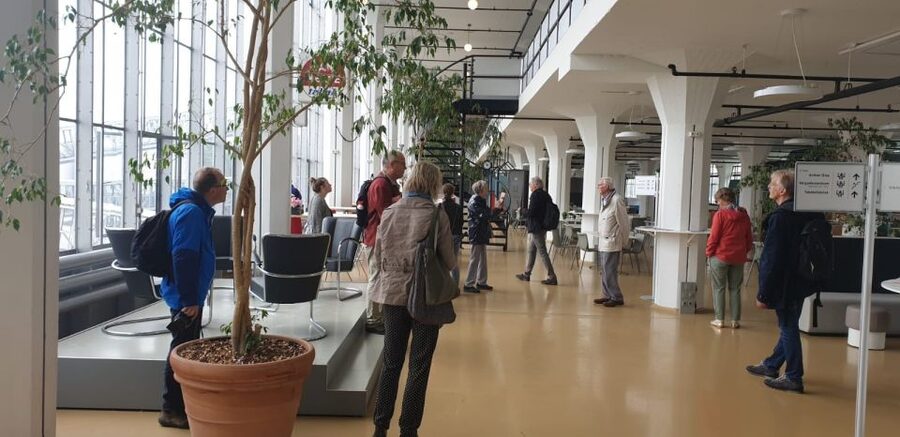
The factory’s original products are a key part of the visit. Coffee, tea, and tobacco were processed here, and those activities help you understand why the building needed a carefully planned interior.
Rather than treating the architecture as a sculpture, the guide explains how it supported work. The factory’s design reflects the movement of products, workers, air, and light. That practical approach is one of the most useful parts of the tour because it connects a famous building with ordinary daily activity.
You also learn about the ideals of 1930s architecture. The period’s designers were interested in creating a new world through better planning, cleaner lines, and improved conditions. At Van Nelle, those ideas were applied to an industrial setting.
The result is a place where social ambition and business needs meet. The building had to function efficiently, but it also presented a more hopeful image of the workplace. You may find this balance more revealing than a tour focused only on visual style.
The factory’s UNESCO status in plain language
UNESCO recognition can sometimes feel like a label added after the fact. Here, the guided explanation gives it a clear purpose. The factory represents an important stage in Modernist architecture, when industrial buildings became testing grounds for new ideas about openness, movement, and working conditions.
The designation from 2014 also places the building in an international setting. Van Nelle Factory is not valued only because it is unusual in Rotterdam. It is part of a wider story about how modern architecture changed the look and function of large workplaces.
You do not need a background in architecture to follow this section. The guide frames the details through things you can see: glass, open space, structure, and the relationship between inside and outside. That makes the UNESCO designation easier to appreciate rather than simply accepting it as an official honor.
For me, the strongest part is the link between design and purpose. The factory is not important just because it looks modern. It shows how architecture was asked to solve practical problems and express new social hopes at the same time.
Adding the Chabot Museum to your day
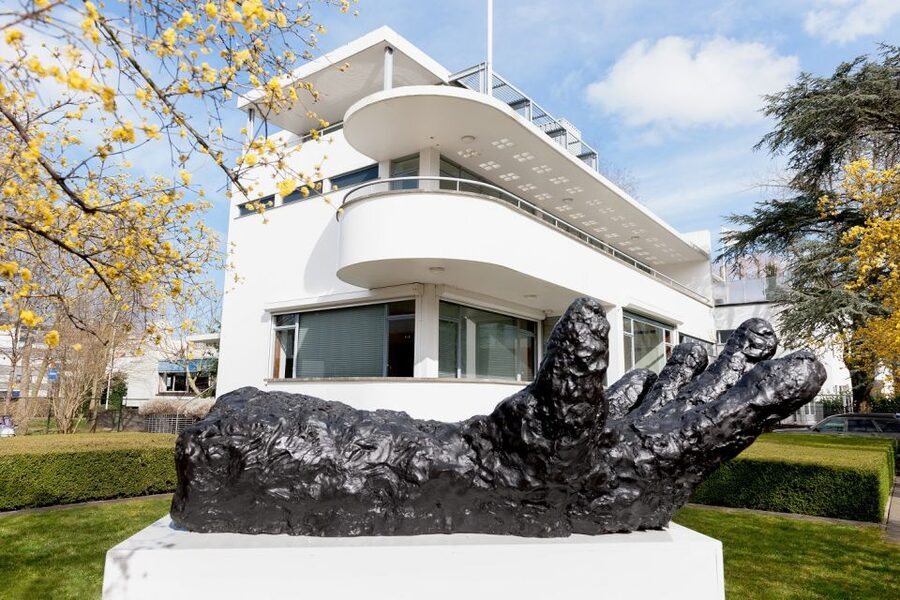
Your ticket includes entry to the Chabot Museum, which focuses on international Expressionism. You can visit it on the same day at the time that works best for you, giving the ticket more flexibility than a factory-only admission.
Do not make the common mistake of treating the museum as part of the same walking route. The Chabot Museum is in Museumpark in Rotterdam’s city center, while Van Nelle Factory is at Van Nelleweg 1 in Rotterdam West. The two locations are about 4 kilometers apart.
This separation affects your planning. You need to allow time to move between them, and the museum should be treated as a second stop rather than an extra room at the factory. If you are already planning time in Museumpark, the included admission is a useful addition.
The pairing also gives your day two different views of 20th-century culture. Van Nelle Factory presents Modernism through industry, structure, and production. The Chabot Museum offers international Expressionism through art. They are not the same experience, and that contrast is part of the value.
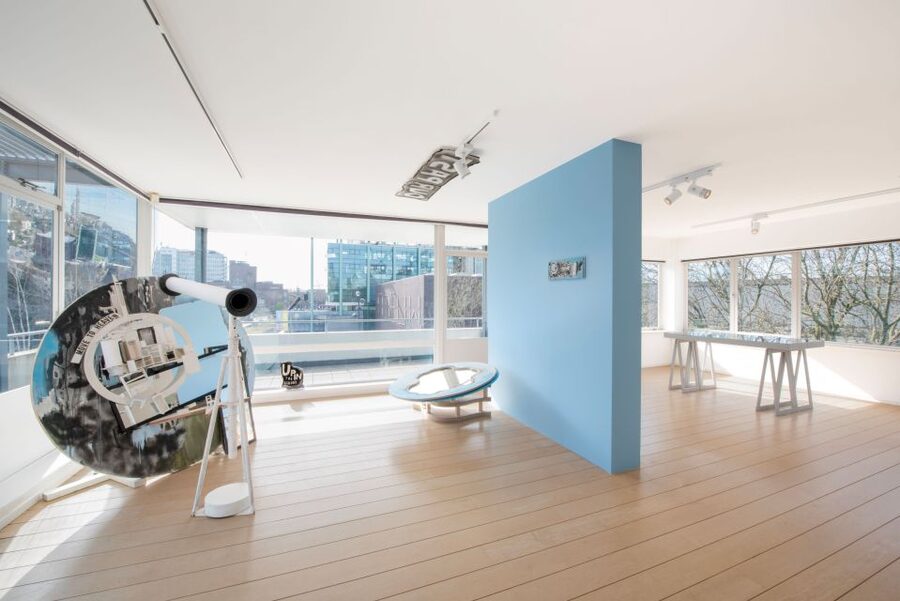
The museum is described as intimate, so do not expect a huge institution that requires several hours. Its smaller scale can work well after the factory tour, especially if you want a quieter art stop without committing to an entire afternoon.
Price, value, and the main limitation
At about $23 per person, the tour is reasonably priced if you want a guided explanation of Van Nelle Factory and plan to use the Chabot Museum admission. The museum inclusion makes the offer stronger than a one-hour factory walk by itself.
The value depends on your priorities. Architecture fans, design students, and visitors curious about Rotterdam’s modern identity get a lot from the guide’s interpretation. You are paying for access, context, and a route through a site that is difficult to understand fully from the outside.
The calculation is less favorable if you want a long, relaxed factory visit. The one-hour format can feel expensive when the group is large and the route covers only a small part of the complex. At that point, much depends on how clearly the guide explains the building and how much time you have to look around.
The flexible museum entry helps balance that concern. If you visit the Chabot Museum during the same day, you are getting two cultural stops for the price. If you do not have time to reach Museumpark, the value rests almost entirely on the factory tour.
Free cancellation up to 24 hours before the start and the option to reserve now and pay later make planning easier. These terms are useful if your Rotterdam schedule is still changing, but they do not solve the basic question of whether one hour is enough for you.
Who will enjoy this tour most
I would recommend it most strongly to anyone interested in architecture, industrial design, or Rotterdam’s 20th-century identity. You do not need specialist knowledge. The guide’s explanation of air, light, space, and production gives you enough context to follow the story.
It also suits visitors who prefer a short, focused activity. One hour leaves room for the rest of your day, and the additional museum entry gives you another stop without requiring a separate booking.
Families and mixed-interest groups may find the length helpful, though the architecture-focused subject will appeal most to people who enjoy buildings and history. The tour is less suitable if you want hands-on activities, food, or a long visit with plenty of free time.
I would be cautious if your main goal is photography or detailed study. A rushed group route may not leave you enough time to pause where you want. In that case, you should book only if the guide’s overview is more important to you than extended independent exploration.
Practical planning for a smoother visit
Check the available starting times before you commit, since the experience runs for one hour and the schedule can shape your whole day. Arrive at the porter’s lodge near the entrance gate, not at Museumpark.
Plan the Chabot Museum as a separate outing. It is approximately 4 kilometers from the factory, so do not leave only a few minutes between the two locations. The museum can be visited later on the same day, which gives you room to arrange the stops in the order that fits your plans.
Choose English or Dutch when booking, depending on the language you want for the live explanation. Food and drinks are not included, so plan those separately rather than expecting a café stop to form part of the tour.
The most important practical tip is to manage expectations. You are booking a guided introduction to a major building, not a full-day examination of every section. Go ready to listen, look up, and notice how the architecture supports the story of production.
Should you book the Van Nelle Factory tour?
Book it if you want a clear introduction to Rotterdam Modernism, prefer a live guide, and can make good use of the Chabot Museum admission. The building’s connection to coffee, tea, tobacco, and 1930s ideas about better workplaces gives the tour substance beyond a quick look at an attractive structure.
Think twice if you need a slow pace, a small group, or extensive access throughout the factory. The one-hour format is the central weakness, and a large group can make it feel even tighter.
For most first-time visitors with an interest in design, the tour is a worthwhile short stop. Just plan the Chabot Museum separately, arrive at the correct entrance, and treat the factory walk as a focused introduction rather than the final word on this remarkable Rotterdam building.
FAQ
Where does the Van Nelle Factory tour begin?
Meet your guide at the Van Nelle Factory, at the visitors reception in the porter’s lodge near the gate at the entrance to the site.
How long does the guided tour last?
The guided tour lasts one hour.
What languages are available?
The live tour guide is available in Dutch and English.
What did the Van Nelle Factory produce?
Coffee, tea, and tobacco were processed at the factory.
Why is Van Nelle Factory important?
It is an important example of Modernist architecture and has been a UNESCO World Heritage site since 2014.
What architectural ideas are explained during the tour?
The tour explains how 1930s architecture used air, light, and space in new ways and how design supported the idea of building a new world.
Is entry to Van Nelle Factory included?
Yes. Access to the UNESCO Van Nelle Factory and the guided tour are included.
Is the Chabot Museum included?
Yes. The ticket includes entry to the Chabot Museum for international Expressionism.
Where is the Chabot Museum located?
The Chabot Museum is in Museumpark in Rotterdam city center. It is approximately 4 kilometers from Van Nelle Factory.
Can I visit the Chabot Museum at the same time as the factory?
You can visit the Chabot Museum on the same day at a time that is convenient for you, but it is a separate location from Van Nelle Factory.
Just added around Rotterdam
- Rotterdam: Breweries and Water Taxi Tour★ 4.7 · 23 reviews
- Rotterdam: National Museum of Photography Entrance Ticket★ 3.8 · 24 reviews
- Rotterdam Highlights Private Walking Tour★ 5.0 · 26 reviews
- Private Tour: Rotterdam Walking Tour Including Harbor Cruise★ 4.5 · 27 reviews
- Rotterdam Tour with Cube House Admission★ 4.4 · 27 reviews
- Cultural Walking Tour in Rotterdam★ 5.0 · 28 reviews
- Rotterdam: Food Tour by Bike★ 4.8 · 31 reviews
- Private Customizable Day Trip From Rotterdam★ 4.5 · 31 reviews
Rotterdam Tours, compared.


Kinderdijk UNESCO World Heritage Entry Ticket
Read our review →
Browse the lists this tour appears in