
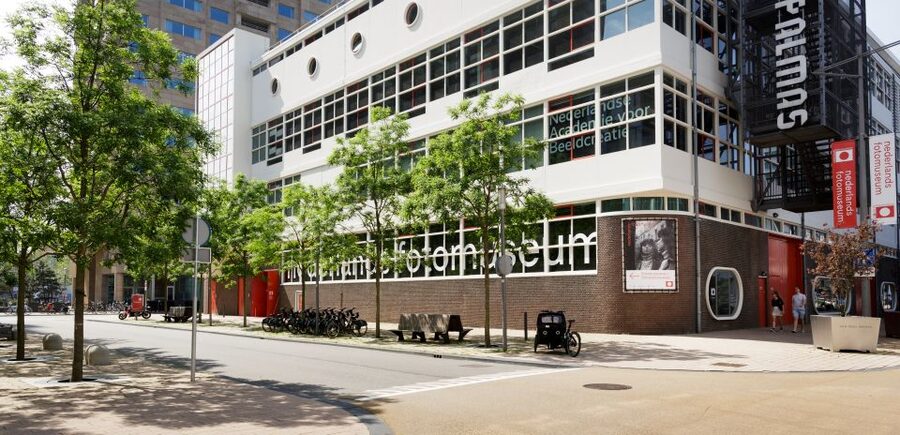
Reviewed · MUSEUMS
Rotterdam: National Museum of Photography Entrance Ticket
The Nederlands Fotomuseum lets you trace Dutch photography from 1842 to today, moving from early photographic experiments to contemporary work. I like the 99-image Gallery of Honour and the sheer range of the collection, with 6 million photographs and 175 archives to draw from. I also like that the ticket includes changing exhibitions and an audio app, so you can explore without joining a fixed group.
The main thing to watch is language. One exhibition about Turkish women who moved to the Netherlands used subtitles entirely in Turkish or Dutch, which can limit your understanding if you rely on English text. At $18, the ticket is fair for photography fans, but less appealing if you expect every display to be translated or want a quick, traditional museum visit.
In This Review
- Key points to know before you go
- Entering 180 years of Dutch photography
- The Gallery of Honour and its 99 landmark photographs
- Temporary exhibitions and familiar Dutch names
- Six million objects, but not one long march
- The app and the self-guided format
- From documentary records to experimental photography
- What the $18 ticket is worth
- Who will get the most from this museum
- Practical planning for your visit
- Should you book the Nederlands Fotomuseum?
- FAQ
- Where is the museum located?
- How much does admission cost?
- How long is the ticket valid?
- What does the ticket include?
- Is an audio guide included?
- What languages are available at the museum?
- How many photographs does the museum collection contain?
- What is the Gallery of Honour?
- How often do the temporary exhibitions change?
- Is the museum wheelchair accessible?
- Can I cancel my booking?
Key points to know before you go
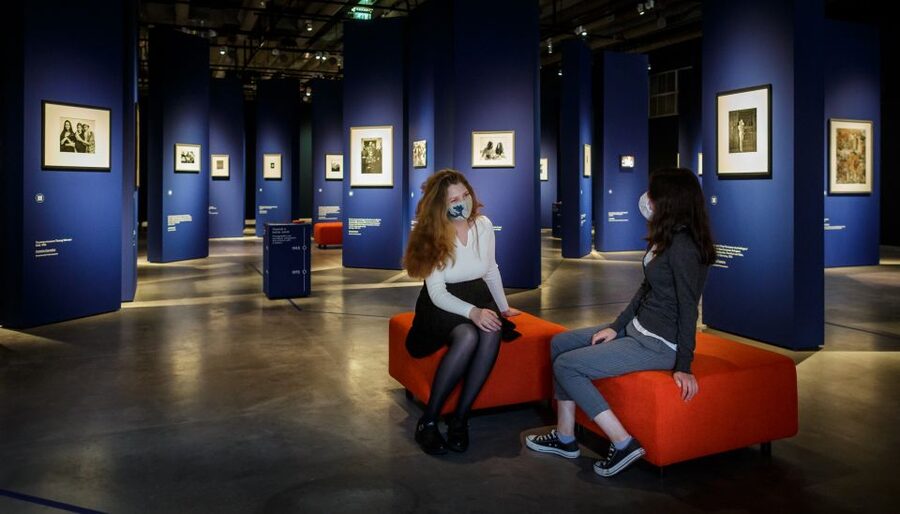
- Six million photographs: The museum preserves an enormous collection covering Dutch people, places, events, and daily life.
- Ninety-nine key images: The permanent Gallery of Honour follows Dutch photography from 1842 through modern technological developments.
- Five to seven changing exhibitions each year: Temporary displays keep the museum different from one visit to the next.
- Self-guided audio app: Download the app at the museum for audio content in English or Dutch, along with exhibition guides if available.
- One-day ticket: You can use the admission during its valid day rather than following a set tour timetable.
- Accessible visit: The museum is wheelchair accessible, and hosts or greeters speak Dutch and English.
Entering 180 years of Dutch photography
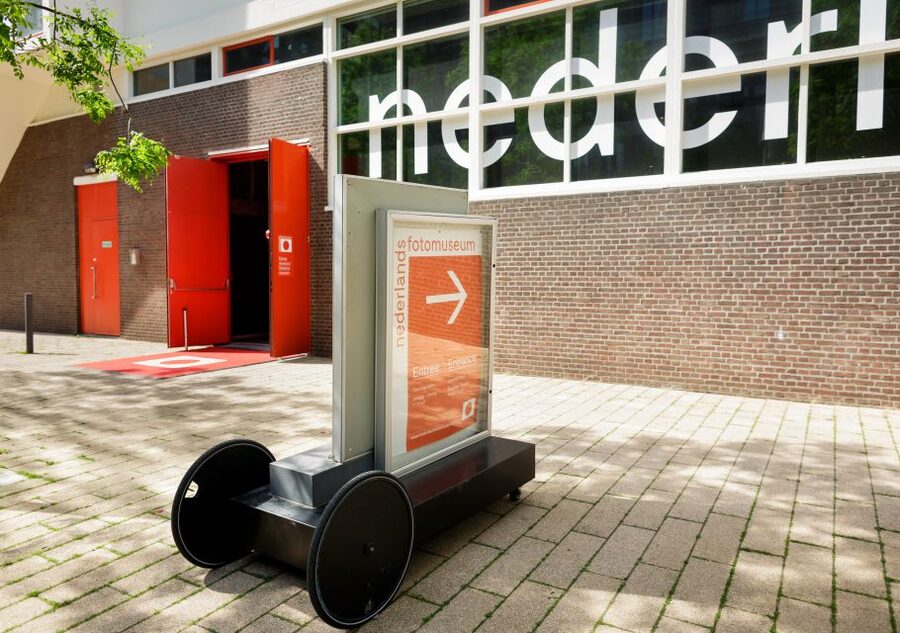
This is not simply a room of famous pictures. The museum presents photography as a record of Dutch life and as a changing technical art. You can move from the invention of photography in the nineteenth century to experimental work and current practice, seeing how photographers have altered both their tools and their way of looking.
The collection covers more than 6 million photographs and 175 archives. You will not see everything, of course, and that is part of the point. The museum’s strength is its role as a guardian of photographic material, including photographs, archives, and the stories attached to them.
I find that idea especially useful for understanding the museum. A photograph is not only a finished image on a wall. It can also be part of a working archive, a family record, a document of public life, or evidence of how Dutch society has changed.
The displays can therefore feel broader than a standard art museum. You may spend time with a formally beautiful photograph, then encounter a documentary image or an experimental piece that asks you to reconsider what a photograph can do.
More Entry Tickets in Rotterdam
- Rotterdam: Rotterdam Zoo Blijdorp Entry Ticket
★ 4.6 · 2,754 reviews - Rotterdam: Euromast Lookout Tower Ticket
★ 4.4 · 2,549 reviews - Rotterdam: Kinderdijk UNESCO World Heritage Entry Ticket
★ 4.6 · 1,477 reviews
The Gallery of Honour and its 99 landmark photographs
The permanent Gallery of Honour of Dutch Photography is the clearest place to begin. Its 99 iconic works tell the story of photography in the Netherlands since 1842, giving you a manageable route through a large subject.
The selection highlights important stages in the medium’s development. You can see early photographic invention, later changes in technique, and the unusual technological advances that shape present-day photography. The gallery is useful because it gives structure to the wider collection. Instead of seeing disconnected images, you can follow a sequence of ideas and developments.
I would pay close attention to the way the gallery balances famous photographs with the story of the medium itself. The value is not only in recognizing a celebrated image. It is also in seeing why certain photographs mattered, what they changed, and how Dutch photographers responded to new technology.
For a first visit, the Gallery of Honour offers the strongest anchor. If you have limited time, start here before moving into the temporary exhibitions. If you already know Dutch photography, the gallery gives you a compact review and a way to compare older work with newer material elsewhere in the museum.
Temporary exhibitions and familiar Dutch names
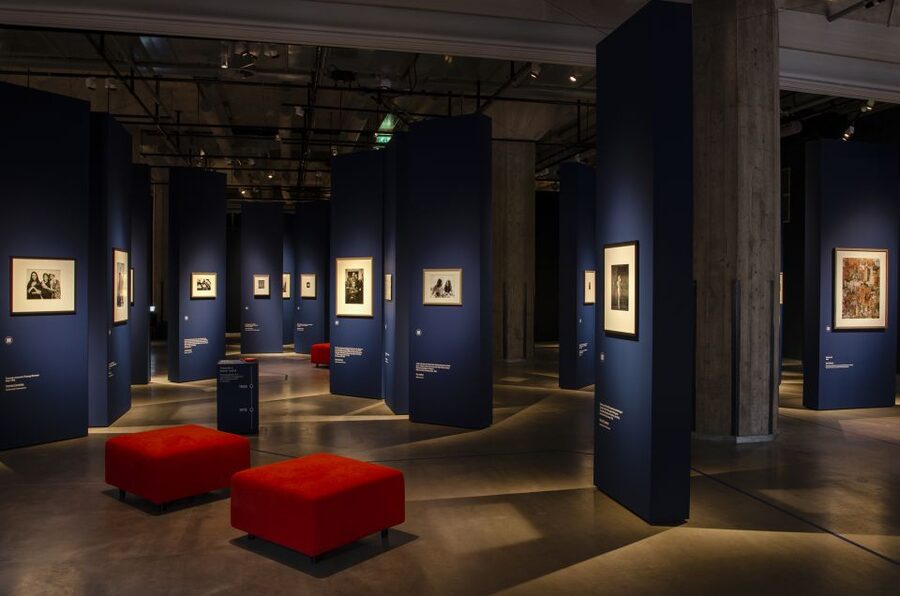
Alongside the permanent gallery, the museum presents five to seven changing exhibitions each year and two consecutive series. That schedule gives the museum a moving character. A return visit can feel quite different, depending on which exhibitions are on display.
The temporary program includes work by major Dutch photographers such as Ed van der Elsken and Johan van der Keuken. Their presence points to the museum’s interest in photographers who used the camera to examine people, places, and everyday life rather than treating photography as a purely technical exercise.
You should check the current exhibition program before booking if a particular photographer or subject matters to you. The ticket gives you access to the temporary displays, but the exact content changes. The museum is a better choice for someone interested in photography as a living art than for someone seeking one fixed collection that never changes.
The changing exhibitions also provide a useful contrast with the Gallery of Honour. The permanent display shows a long sequence of Dutch photography, while the temporary rooms can focus attention on one photographer, theme, community, or period.
Six million objects, but not one long march
The collection size sounds huge, and it is. Still, your visit is not meant to be a literal attempt to work through 6 million objects. The museum selects material from its holdings to tell particular stories and to show how photographs are preserved.
That preservation work is one of the more meaningful parts of the experience. Photographic materials can be fragile, and archives hold more than the images that become famous. They can contain working documents and records that help explain how Dutch people represented themselves and their country.
As you move through the museum, think of the displays as selected windows into a much larger archive. One room may focus on documented photography, while another may challenge you with experimental work. The range gives the visit variety, but it can also make the museum feel less straightforward than a gallery organized by a single artist or period.
I would not rush through every room simply to say you covered the museum. Choose the sections that interest you most, then use the app to add context where it helps. The one-day validity gives you flexibility, so you are not tied to a brief timed tour.
More photo sessions in Rotterdam:
- Amsterdam: Private Photoshoot for Couple, Family, or Solo
★ 4.9 · 251 reviews - Amsterdam Canal, Tulip, Windmill Photoshoot | Custom Request
★ 5.0 · 147 reviews - Amsterdam: Foam Photography Museum Admission Ticket
★ 4.2 · 141 reviews - Become a Dutch Art Piece Photo Shoot in Amsterdam
★ 5.0 · 100 reviews
The app and the self-guided format
The experience is self-guided. You arrive, download the application, and use it while exploring the gallery and exhibitions. Audio content is available in English and Dutch, and exhibition guides are included when available.
I like this format for a photography museum because you can control the pace. You can stop for a long look at a single image, skip a section that does not interest you, or return to a work after learning more about its photographer. You are not required to keep up with a guide or a group.
The app is also meant to explain the stories behind iconic photographs. That matters here because a photograph can be visually striking without being immediately clear. Context can tell you who made it, what was happening, and why the image became important.
Bring enough time to download and use the app comfortably. The supplied information does not specify whether every work has audio commentary, so you should think of it as a support for the visit rather than a guaranteed spoken explanation of every photograph.
Dutch and English are the stated languages for the hosts and audio guide. Keep the language limitation in mind for the galleries themselves. At least one exhibition about Turkish women who moved to the Netherlands used subtitles entirely in Turkish or Dutch. The subject may still be meaningful through the photographs, but English-only readers could miss much of the written story.
From documentary records to experimental photography
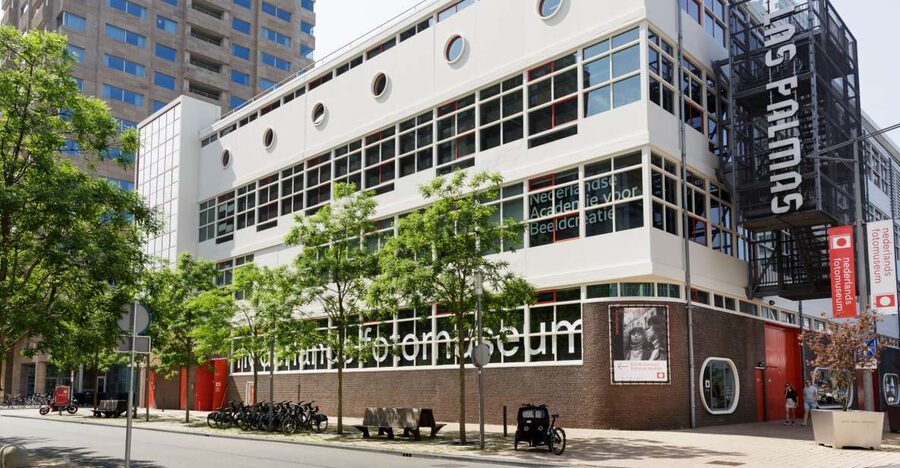
One of the museum’s strengths is that it does not limit photography to portraits, historic documents, or polished art prints. The displays cover the medium in several forms, including documented photographs, experimental work, and contemporary photography.
The documentary material connects photography to the everyday record of the Netherlands. These images can help you see how people, families, communities, and public events were represented over time. The experimental section offers a different experience, asking you to focus on method, perception, and the limits of the image.
You may find the experimental work less immediately accessible than the Gallery of Honour. That is not necessarily a flaw, but it changes the pace of the visit. The permanent gallery gives you historical signposts, while experimental displays may ask for more patience and personal interpretation.
I would treat that variety as a reason to visit with an open plan. If you want only recognizable photographs with simple explanations, some rooms may feel demanding. If you enjoy asking what makes an image photographic, how technology affects art, or why a picture carries cultural meaning, the range is a major advantage.
What the $18 ticket is worth
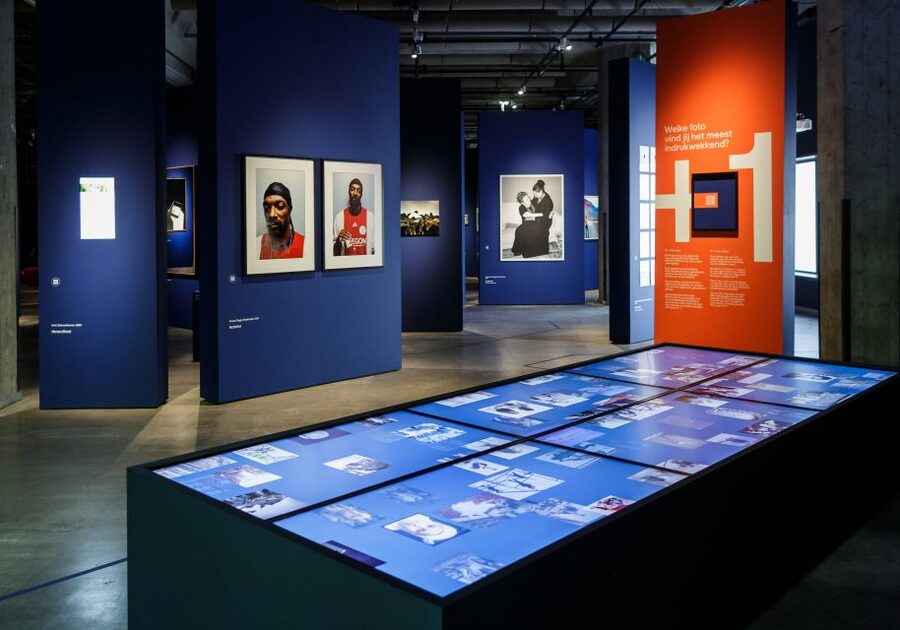
At $18 per person, admission is priced like a substantial museum visit rather than a quick attraction. The ticket includes the permanent Gallery of Honour and rotating temporary exhibitions, plus the app and exhibition guides when available.
The value depends on how you use the museum. Photography enthusiasts can get good value from the combination of 99 permanent works, temporary shows, and access to a collection of 6 million photographs. The changing exhibitions also make the ticket more worthwhile if you want to spend time with several subjects rather than glance at one display.
For a casual visitor with only a short gap in Rotterdam, the price deserves more thought. The museum does not promise a fixed tour length, and the ticket is valid for one day rather than advertising a set number of hours. If you only want a quick look, $18 may feel high compared with the time you spend inside.
I would book it when photography is one of your interests, when a current temporary exhibition catches your attention, or when you want a quieter cultural stop focused on Dutch heritage. I would hesitate if you need full English translations throughout every exhibition or are looking for a fast, highly guided activity.
Food and drinks are not included, so plan your museum visit separately from lunch or coffee. The information provided does not identify an on-site food option, so do not treat the ticket as a meal-inclusive experience.
Who will get the most from this museum
You are likely to appreciate the museum most if you enjoy photography, social history, or the way archives preserve ordinary life. The Gallery of Honour gives first-time visitors a clear starting point, while the changing exhibitions offer more specialized material.
It also suits people who prefer independent visits. You can use the English or Dutch audio app, choose your own order, and spend more time on the images that hold your attention. The one-day validity gives you room to plan the visit around the rest of your time in Rotterdam.
Families and mixed-interest groups may have a less predictable experience. Some displays can be approached visually, but written explanations may not always be available in English. Because the museum includes experimental and contemporary work, not every room will appeal equally to every person in your group.
The museum is wheelchair accessible, which makes it a practical choice for visitors who need an accessible cultural stop. Hosts or greeters speak Dutch and English, though the stated language support does not mean every exhibition text is translated into both languages.
Practical planning for your visit
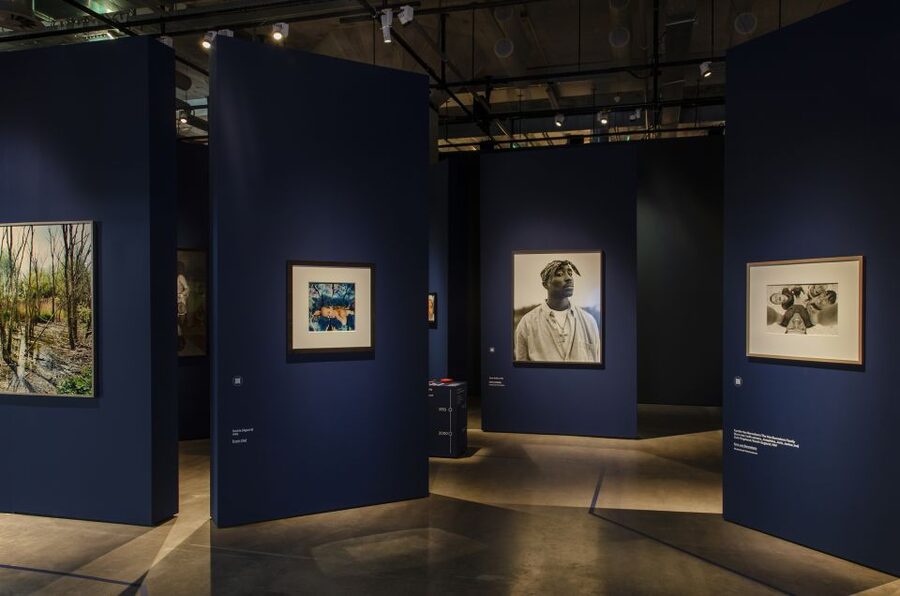
Check the available starting times when you book, even though the admission is valid for one day. The activity does not operate as a named guided tour, so the starting time appears to function as the entry planning point rather than the beginning of a fixed presentation.
At arrival, download the application for the self-guided audio tour. The audio guide is available in English and Dutch. If your phone connection, battery, or data plan is a concern, prepare before entering, though the available details do not specify the museum’s Wi-Fi or charging facilities.
Give yourself enough time for both the Gallery of Honour and the temporary exhibitions. A very short visit can cover the main permanent display, but the museum’s scale and changing program reward a slower pace.
You can cancel up to 24 hours in advance for a full refund, and the reserve-now, pay-later option lets you hold a place without paying immediately. Those terms are useful if your Rotterdam plans may change, but the main decision should still be the exhibition content and your interest in photography.
Should you book the Nederlands Fotomuseum?
Book this ticket if you want a serious look at Dutch photography, especially the 99-work Gallery of Honour, the work of photographers such as Ed van der Elsken and Johan van der Keuken, and the connection between photographs and Dutch heritage.
The museum offers plenty for an $18 admission, but its appeal is focused. You need to be comfortable with a self-guided format, a mix of documentary and experimental work, and the possibility that some written material will not be in English.
My practical advice is to check the temporary exhibitions first. If one matches your interests, the ticket becomes an easy choice. If not, visit for the Gallery of Honour and the chance to see how 180 years of Dutch photography fit together, but allow enough time to make the admission feel worthwhile.
FAQ
Where is the museum located?
The Nederlands Fotomuseum is in Rotterdam, in South Holland, Netherlands.
How much does admission cost?
The listed price is $18 per person.
How long is the ticket valid?
The ticket is valid for one day. Check availability for the starting times offered when you book.
What does the ticket include?
Admission includes the permanent Gallery of Honour and rotating temporary exhibitions. The application and exhibition guides are included when available.
Is an audio guide included?
Yes. The self-guided audio guide is available through the application in English and Dutch.
What languages are available at the museum?
Hosts or greeters speak Dutch and English. The audio guide is also available in Dutch and English.
How many photographs does the museum collection contain?
The museum collection contains more than 6 million photographs or objects connected with Dutch photographic heritage, along with 175 archives.
What is the Gallery of Honour?
The Gallery of Honour of Dutch Photography displays 99 iconic works that tell the story of photography in the Netherlands since 1842.
How often do the temporary exhibitions change?
The museum presents five to seven changing exhibitions each year, along with two consecutive series.
Is the museum wheelchair accessible?
Yes. The museum is wheelchair accessible.
Can I cancel my booking?
Yes. You can cancel up to 24 hours in advance for a full refund. A reserve-now, pay-later option is also available.
More Museums and Galleries in Rotterdam
- Werkendam: Boat Cruise and Biesbosch Museum Entry Ticket
★ 4.4 · 402 reviews - Maritime Museum Rotterdam
★ 3.5 · 73 reviews - Amsterdam: Van Gogh Museum Ticket
★ 4.7 · 52,054 reviews - Moco Museum Amsterdam Entrance Tickets with Banksy & More
★ 4.4 · 10,088 reviews
Just added around Rotterdam
- Rotterdam: Breweries and Water Taxi Tour★ 4.7 · 23 reviews
- Rotterdam Highlights Private Walking Tour★ 5.0 · 26 reviews
- Private Tour: Rotterdam Walking Tour Including Harbor Cruise★ 4.5 · 27 reviews
- Rotterdam Tour with Cube House Admission★ 4.4 · 27 reviews
- Cultural Walking Tour in Rotterdam★ 5.0 · 28 reviews
- Rotterdam: Food Tour by Bike★ 4.8 · 31 reviews
- Private Customizable Day Trip From Rotterdam★ 4.5 · 31 reviews
- Rotterdam: Exclusive Rooftop Tour with 360˚ views★ 4.8 · 34 reviews
Museums, compared.
Moco Museum Amsterdam Entrance Tickets with Banksy & More
Read our review →


Amsterdam’s Weirdest Museum: Believe It or Not!
Read our review →
Browse the lists this tour appears in