
Reviewed · WALKING TOURS IN AMSTERDAM
Amsterdam: Sex, Drugs, and Freedom Walking Tour
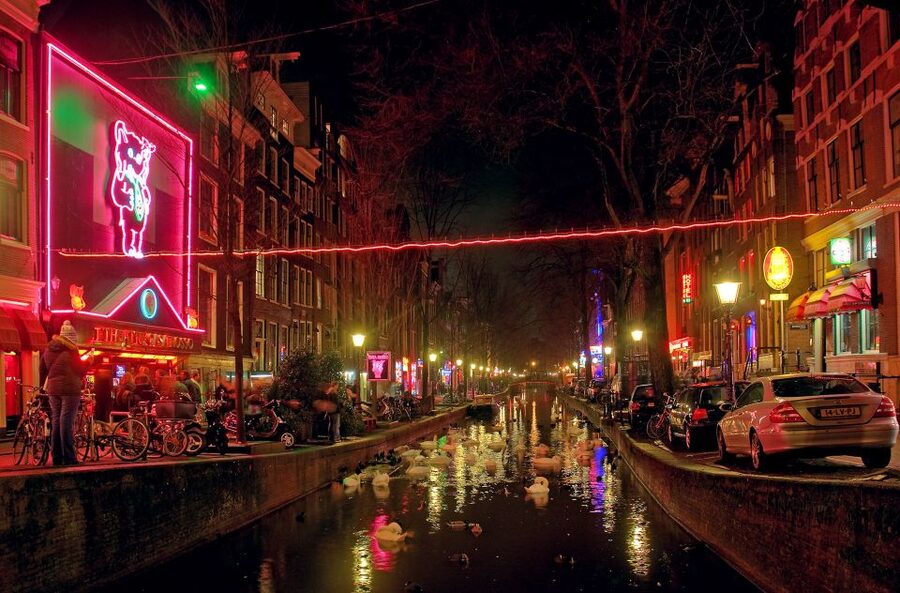
Amsterdam’s Red Light District is not simply a row of red windows. It is a working neighborhood shaped by religion, trade, drug policy, sex work, sexual freedom, and a long Dutch habit of managing difficult subjects in the open. This two-hour walk explains how those pieces fit together, rather than leaving you to guess from the crowds and neon.
I like the candid look at coffeeshop rules and the human side of prostitution. I also like that the route adds wider history, including the Dutch fight for gay rights and Amsterdam’s growth as an inclusive city. The main drawback is the tight two-hour schedule, which means the drug and economic history can only be covered at a brisk pace.
In This Review
- Key points at a glance
- Why this walk is more than a look at red windows
- Starting around Dam Square and the Royal Palace
- The Old Church and the city’s unlikely contrasts
- How the Red Light District actually operates
- Coffeeshops, soft drugs, and Dutch tolerance
- The Condomerie and Amsterdam’s practical approach to sex
- Gay rights, equality, and an inclusive city
- Local guides, humor, and the value of a live conversation
- What two hours can and cannot cover
- Is $31 a fair price?
- Who should book this Amsterdam walk?
- Should you book it?
- FAQ
- How long is the Amsterdam Sex, Drugs, and Freedom Walking Tour?
- What is included in the tour?
- Are food and drinks included?
- What languages are available?
- Is a private group option available?
- What sights are included?
- Does the tour explain Amsterdam’s coffeeshop rules?
- Does the tour discuss prostitution?
- What should I bring?
- Is the tour suitable for people with mobility impairments?
- Can I cancel for a full refund?
- Can I reserve now and pay later?
Key points at a glance
- A social-history walk, not a pub crawl: You learn how Amsterdam handles sex, soft drugs, equality, and public morality.
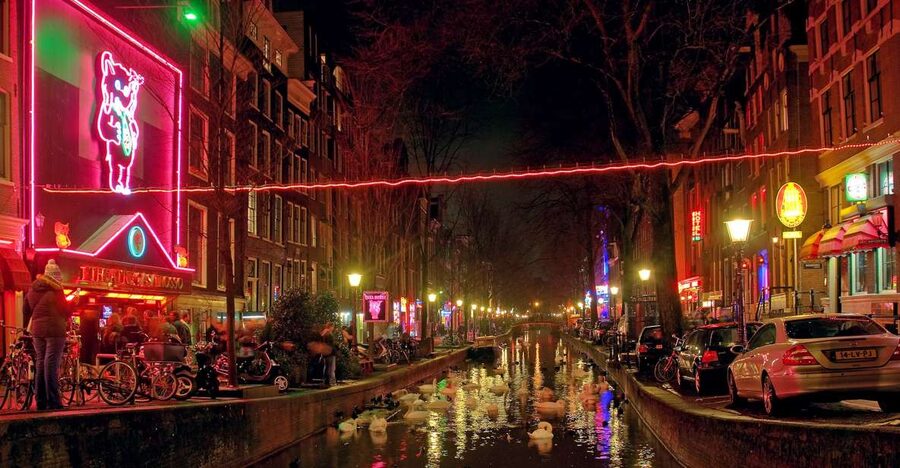
- The Red Light District is placed in context: Expect discussion of legalization, working conditions, and how the area has changed.
- Familiar sights are mixed with local corners: The Old Church, Dam Square, the Royal Palace, and the Condomerie appear alongside less obvious stops.
- Guides make a real difference: Martin, David, Jesse, and Stan are among the guides praised for clear explanations, humor, and personal stories.
- The pace suits a first visit: Two hours is enough to get your bearings without taking up a whole afternoon.
- Plan for walking: Comfortable shoes, water, and practical clothing matter, and the tour is not suitable for people with mobility impairments.
Why this walk is more than a look at red windows
Many visitors arrive in Amsterdam with a simple picture of the city: canals, bicycles, museums, coffeeshops, and the Red Light District. That picture misses the interesting part. Amsterdam’s liberal image grew from laws, protests, religious differences, commercial choices, and debates about what should be tolerated or regulated.
This tour takes that complicated subject and makes it easier to follow. Your guide leads you through narrow streets and alleyways while explaining the facts behind the city’s permissive reputation. You can ask questions as you go, which is useful here because the rules around prostitution and drugs are easy to misunderstand.
The tour also avoids treating the district as a sideshow. You learn what legalization changed, how the sex industry operates, and what it can be like to work as a prostitute. The presentation is intended to be direct and informative rather than sensational.
That distinction matters. A quick solo walk can show you lights, windows, signs, and crowds. It cannot easily explain why the area exists in its current form or how Dutch social policy shaped it. I like tours that give a place a human and political frame, and this one aims to do exactly that.
More Walking Tours in Amsterdam
- Anne Frank’s Story – Guided Walking Tour through Amsterdam
★ 5.0 · 11,619 reviews - Amsterdam: Life of Anne Frank and World War II Walking Tour
★ 4.8 · 10,467 reviews - Absolutely Amsterdam – the Essential Introductory Walking Tour
★ 5.0 · 3,629 reviews
Starting around Dam Square and the Royal Palace
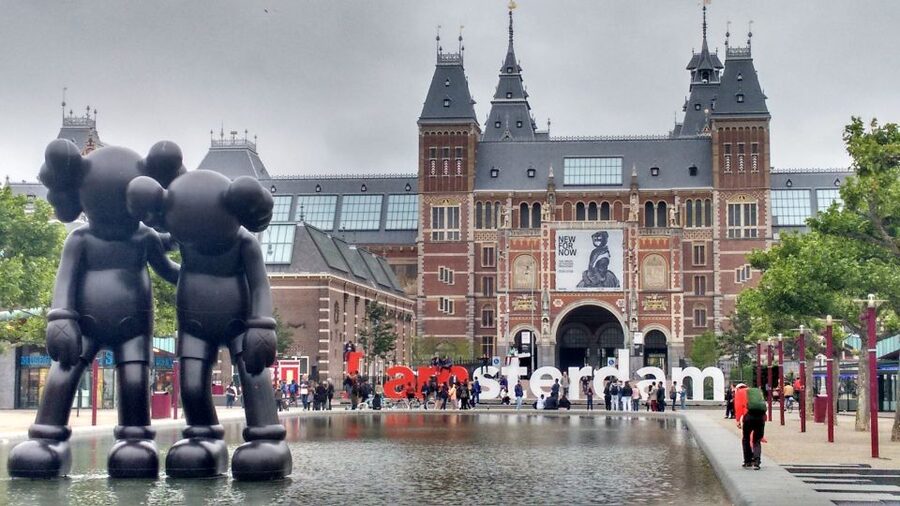
The exact meeting point depends on the option you book, so check your confirmation carefully. The walk includes Dam Square and the Royal Palace, two central landmarks that help place Amsterdam’s modern debates within the city’s older story.
Dam Square is a practical starting point for understanding Amsterdam as a major commercial and civic center. It is also an easy reference point if you are still learning the city. The Royal Palace adds a useful contrast: formal power and national ceremony on one side, informal street culture and social experimentation on the other.
You should not expect a long palace visit or a museum-style tour inside the building. The emphasis is on the streets and on the social ideas connected with the area. The square can be busy, so stay close to the guide and listen for instructions before the group moves on.
This is one reason the walk works well early in your stay. The route helps you orient yourself in central Amsterdam, and the historical explanations give later sightseeing more meaning. Several people specifically valued the tour as a way to get their bearings in the district.
The Old Church and the city’s unlikely contrasts
The Old Church, or Oude Kerk, is one of the tour’s most striking settings. It sits in the heart of the Red Light District, creating a sharp visual contrast between religious heritage and the sex industry around it.
That contrast is not just a photo opportunity. It gives your guide a natural way to discuss Amsterdam’s changing ideas about morality, public life, and private behavior. The location reminds you that the district did not appear in an empty part of town. It grew within an old, central neighborhood with its own religious and commercial past.
Expect the guide to keep the focus on explanation rather than a formal church tour. The important point is the relationship between the landmark and its surroundings. You get a better sense of how Amsterdam’s old center became a place where sacred buildings, businesses, homes, tourists, and sex workers share the same streets.
The streets can be narrow and crowded. That makes this part more atmospheric, but it also means you may need to pause, wait for the group, and pay attention to bicycles and other pedestrians.
How the Red Light District actually operates
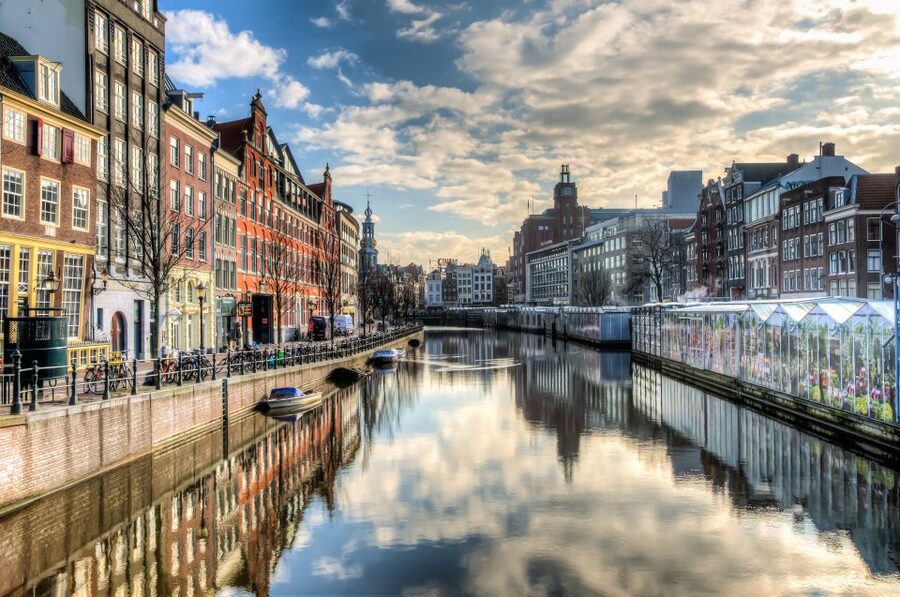
The central section deals with prostitution and the history of the district. You learn how prostitution was legalized in the Netherlands and how that decision affected the area over time.
A good guide should help you separate three different ideas: legal status, regulation, and the lived experience of sex workers. They are not the same thing. The tour addresses the practical side of the sex industry and what it is like to work as a prostitute, while also discussing the larger issues that surround the trade.
This is where the guide’s tone matters most. The subject can quickly become crude or voyeuristic, especially in a crowded district filled with people taking photographs. The stated focus here is on facts, social awareness, and the complex questions surrounding prostitution.
The route may include well-known red-window streets, but the point is not simply to look at the windows. You get an explanation of how the area developed and what legalization did and did not solve. That makes the tour more useful than an unstructured stroll.
One small practical rule is worth remembering: stay with the group and follow the guide’s instructions. The district is busy, and one review described a guide calmly keeping distracted group members together. That may sound minor, but it is valuable in narrow streets where people can easily fall behind.
Same city, a completely different afternoon:
- Amsterdam: Van Gogh Museum Ticket
★ 4.7 · 52,054 reviews - Amsterdam Classic Saloon Boat Cruise with Drinks and Cheese
★ 5.0 · 31,825 reviews - Amsterdam Luxury Canal Cruise + Unlimited Drinks & Bites option
★ 5.0 · 30,518 reviews - Amsterdam: Heineken Experience Ticket
★ 4.6 · 30,055 reviews
Coffeeshops, soft drugs, and Dutch tolerance
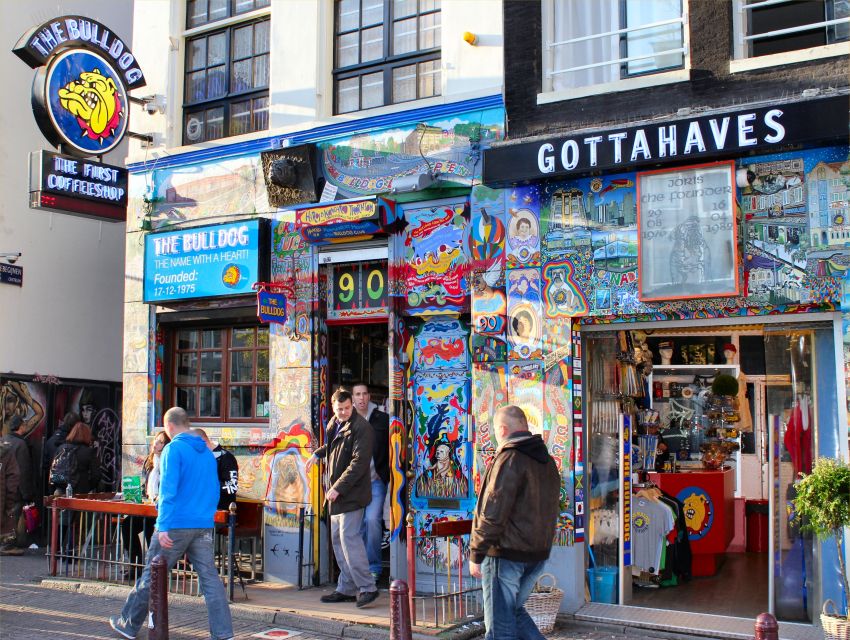
The drug section explains Amsterdam’s peculiar rules around coffeeshops, including their origins and the use and manufacture of soft drugs. This is a major reason many people book the walk, and it is also the area where casual assumptions cause the most confusion.
The tour is educational. It is not described as a tasting activity, and food and drinks are not included. You should not book it expecting samples, a pub stop, or a hands-on lesson. Instead, you hear how Dutch policy developed and why the system is often described as tolerant rather than fully open.
That distinction is worth your attention. A permissive reputation does not mean every drug is legal or every action is allowed. The guide’s job is to explain the rules and their background in plain terms, then answer your questions.
The subject can be broad, and two hours goes quickly. One participant wanted more detail about the connection between drugs and the Dutch economy, but recognized that the schedule limited the discussion. I would treat this tour as a clear introduction, not a specialist course in drug policy.
If drug history is your main interest, use the walking tour to build a framework for later questions. Ask the guide about the points that matter most to you, since the live format allows some adjustment. Guides such as Jesse were praised for combining humor with serious discussion, which can make a sensitive topic easier to absorb.
The Condomerie and Amsterdam’s practical approach to sex
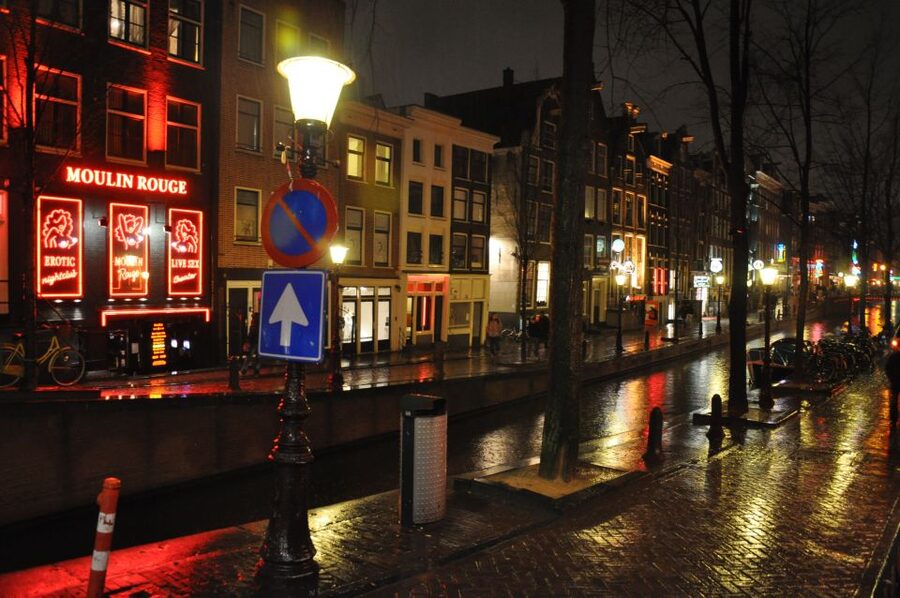
The Condomerie is another memorable stop because it reflects Amsterdam’s more practical attitude toward sexual health. Its presence gives the guide a way to move beyond prostitution and discuss sexual liberty and social awareness.
This part should appeal to visitors interested in how public attitudes are shaped by institutions and everyday behavior. The tour presents Amsterdam as a city that has tried to address sex openly rather than pretending it does not exist. That does not mean every policy is simple or every problem is solved, but it helps explain the city’s public character.
The Condomerie is also a reminder that the tour is not only about spectacle. You are looking at the systems, businesses, and social choices that developed around sex in Amsterdam. If you prefer a strictly traditional sightseeing walk, this stop may feel unusual. If you want to understand the city’s alternative scenes, it is a fitting part of the route.
The guide may also share local anecdotes. One particularly memorable story mentioned on the walk concerns sleeping in the monkey, a phrase connected with the district’s past. Details like this give the area a human voice, though the overall value comes from how the anecdotes support the wider history.
Gay rights, equality, and an inclusive city
The tour widens its focus to the Dutch fight for gay rights, equality, and sexual freedom. This is an important part of the experience because Amsterdam’s reputation for tolerance did not come from one law or one tourist district.
You learn how social awareness and activism helped shape the city’s identity. The subject adds balance to the sex and drug sections, showing that the tour is also about civil rights and the long effort to make public life more accepting.
I especially like this broader framing. Without it, a walk called Sex, Drugs, and Freedom could become a narrow tour of Amsterdam’s nightlife image. The equality section shows that freedom has a political and social history, not just a commercial one.
Your guide may connect these topics to places along the route, but the supplied details do not promise a dedicated gay-rights landmark or museum visit. Think of it as part of the conversation and street history rather than a separate attraction with a long stop.
Local guides, humor, and the value of a live conversation
The guide is the key variable on any walking tour, and the response to this experience points to a strong emphasis on presentation. Guides named in feedback include Martin, David, Jesse, and Stan, with specific praise for clear explanations, warmth, patience, charisma, and engaging stories.
David was appreciated for giving an overview of the district while adding personal and family history. Martin was described as friendly and well informed. Stan received praise for explaining sex workers, coffeeshops, and the Red Light District in a way that made the tour feel essential to a first visit.
Jesse’s style seems especially suited to people who enjoy witty humor. One participant also valued his patience and the way he made a difficult subject fun without losing its seriousness. That balance is important. The best guide can make you laugh, then bring the conversation back to real people and real policy.
Languages offered are English, Dutch, Spanish, and German. A private group option is available, which may suit friends or family who want more control over the pace and questions. The available details do not specify a maximum group size, so do not book assuming a small group unless your chosen option says so.
The overall rating is 4.6 from 74 reviews, and the pattern is clear: the strongest feature is the guide’s ability to make a sensitive subject easy to understand. You should still remember that guide style varies. Some guides may be more historical, some more humorous, and some more personal.
What two hours can and cannot cover
Two hours is a sensible length for this subject. It is long enough to walk through several important areas and build a clear picture of Amsterdam’s alternative scenes. It is short enough to fit before a museum booking, dinner, or evening plans.
The tradeoff is depth. The route covers the Red Light District, prostitution, coffeeshops, soft drugs, equality, sexual liberty, and major city landmarks in one session. None of those subjects can receive a full academic treatment in the time available.
I would book it as an introduction. You will leave with a better grasp of the city’s unusual policies and a list of topics worth exploring on your own. If you want detailed economic research, extensive drug-law analysis, or a long account of the sex industry, choose a specialist experience instead, if available.
The walking pace was described as well paced, but you still need comfortable shoes and water. Wear clothes that let you walk for two hours. The route includes winding streets and alleyways, and the activity is not suitable for people with mobility impairments.
Is $31 a fair price?
At $31 per person, the value depends on how much context you want. You are paying for a two-hour expert-guided walk, not admission to an attraction, food, drinks, or a show.
For a first visit, I think the price is reasonable if you would otherwise spend part of your day wandering the district without understanding it. A guide can explain the rules, history, and social debates while taking you to places you might miss alone. The value comes from interpretation and access to local stories, not from the number of sights checked off a list.
The price is less attractive if you mainly want photographs or a quick look at the famous streets. You can see much of the central district independently. Book this walk because you want the background, questions, and human perspective.
Free cancellation up to 24 hours before the start gives you useful flexibility, and the reserve-now, pay-later option helps if your Amsterdam plans are still shifting. Check the starting time and meeting point for the specific option you choose.
Who should book this Amsterdam walk?
I would recommend it to adults curious about how laws and social attitudes shape a city. It suits first-time visitors, people interested in the Red Light District beyond its reputation, and anyone who wants a local guide to explain coffeeshops, prostitution, equality, and sexual freedom without turning the subject into a joke.
It is also a good choice for a private group that wants to ask frank questions. The multilingual guide option helps mixed-language groups, with English, Dutch, Spanish, and German available.
I would be more cautious if you dislike mature subject matter, prefer quiet sightseeing, or need step-free access. The route deals openly with sex work and drugs, takes place in narrow central streets, and is specifically not suitable for people with mobility impairments.
Should you book it?
Book this tour if you want Amsterdam’s liberal image explained rather than merely observed. Its best qualities are the guides, the honest treatment of prostitution, the clear look at coffeeshop policy, and the added discussion of gay rights and social freedom.
Skip it if you want an attraction visit, food, drinks, or a detailed specialist study of Dutch economics and drug law. For most curious first-time visitors, $31 is a fair price for two hours of context and a useful introduction to one of Amsterdam’s most misunderstood areas.
FAQ
How long is the Amsterdam Sex, Drugs, and Freedom Walking Tour?
The walking tour lasts two hours.
What is included in the tour?
The price includes a two-hour expert-guided walking tour.
Are food and drinks included?
No. Food and drinks are not included.
What languages are available?
The live guide may lead the tour in English, Dutch, Spanish, or German.
Is a private group option available?
Yes. A private group option is available.
What sights are included?
The tour includes the Old Church, the Condomerie, the Royal Palace, Dam Square, and places known mainly to locals.
Does the tour explain Amsterdam’s coffeeshop rules?
Yes. The guide discusses the history and origins of coffeeshops, Amsterdam’s drug regulations, and the use and manufacture of soft drugs.
Does the tour discuss prostitution?
Yes. It covers the legalization of prostitution in the Netherlands, the history of the Red Light District, how the sex industry operates, and what it is like to work as a prostitute.
What should I bring?
Bring comfortable shoes, water, and comfortable clothes.
Is the tour suitable for people with mobility impairments?
No. The activity is listed as not suitable for people with mobility impairments.
Can I cancel for a full refund?
Yes. You can cancel up to 24 hours in advance for a full refund.
Can I reserve now and pay later?
Yes. The reserve-now, pay-later option lets you hold a place without paying immediately.
Just added around Amsterdam
- Amsterdam: Food and Canal Tour★ 4.6 · 22 reviews
- Discover Deventer with an Outside Escape city game tour!★ 4.5 · 23 reviews
- Segway City Tours Amsterdam★ 4.3 · 23 reviews
- Amsterdam Canal Cruise in Classic Salon Boat With Drinks and Cheese★ 4.0 · 22 reviews
- Historical Walking Tour, private with local Dutch guide★ 5.0 · 23 reviews
- Utrecht Food Tour on a Bicycle with local guide★ 5.0 · 23 reviews
- Amsterdam: Captain For a Day 2-Hour Boat Rental★ 4.9 · 23 reviews
- Amsterdam Small-Group Breakfast Morning Cruise★ 5.0 · 23 reviews
Walking Tours in Amsterdam, compared.
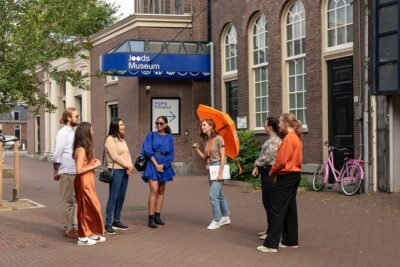
Anne Frank’s Story – Guided Walking Tour through Amsterdam
Read our review →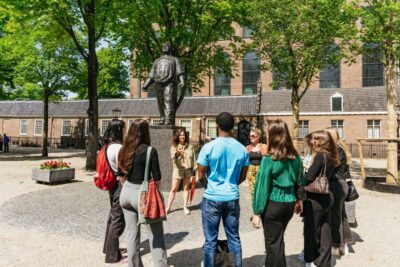
Life of Anne Frank and World War II Walking Tour
Read our review →
Absolutely Amsterdam – the Essential Introductory Walking Tour
Read our review →

Anne Frank Walking Tour – Guided in EN/DE/IT/ES
Read our review →
Anne Frank Walking Tour Amsterdam Including Jewish Cultural Quarter
Read our review →Browse the lists this tour appears in