
Reviewed · WALKING TOURS IN AMSTERDAM
Amsterdam: Queer City Walking Tour With Local Guide
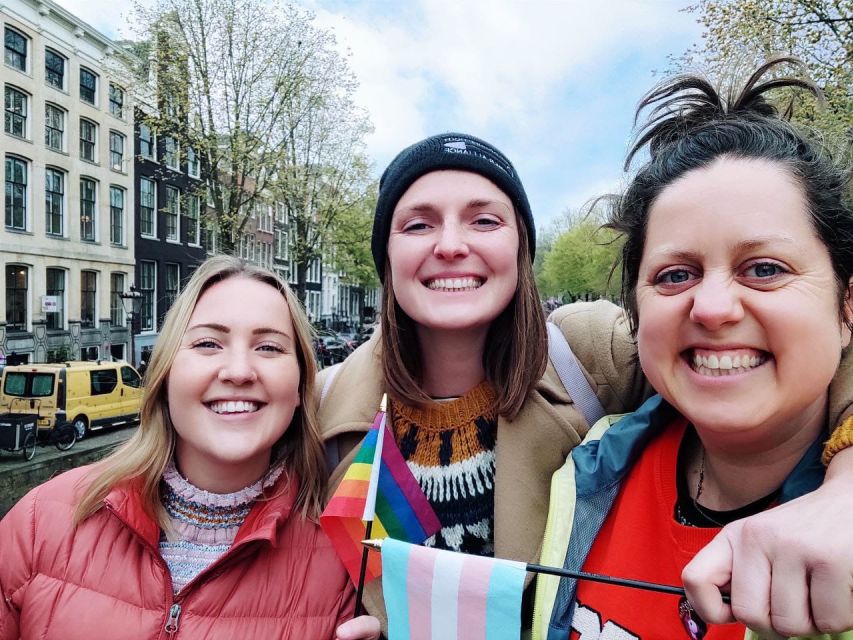
Amsterdam’s queer story is written into the oldest streets of the city, not tucked away in a single museum. On this two-hour walk, guide Sanne connects public monuments, nightlife landmarks, protest history, gender stories, and her own experiences of falling in love and being gay and single in Amsterdam.
I like the personal storytelling and the way the route links famous sights with lesser-known queer connections. I also like the chance to meet LGBTQI+ people and allies from around the world while seeing central Amsterdam through a different lens. The main consideration is that this is a walking tour in all weather, with several outdoor stops and some discussion of Amsterdam’s Red Light District.
In This Review
- Key points to know before you book
- Why this walk tells Amsterdam differently
- Starting at Dam Square and the National Monument
- The Homomonument and the politics of remembrance
- Belle and the meaning of public symbols
- The Condomerie and the AIDS crisis
- The Red Light District from a queer perspective
- Eagle Amsterdam, Zeedijk, and old gay town
- Pride, protest, and the rainbow
- Pride Clothing and Kokopelli
- Unicorns, royal symbols, and unexpected connections
- The Dancing Houses and the final walk to Café ’t Mandje
- What $59 means for the value
- Who should choose the Queer City Walking Tour
- Should you book it?
- FAQ
- How long does the Queer City Walking Tour last?
- Where does the tour begin?
- Where does the tour finish?
- Who leads the tour?
- Which languages are available?
- Is the tour wheelchair accessible?
- Does the tour operate in bad weather?
- What should you bring?
- Does the tour enter the bars and venues along the route?
- What is the cancellation policy?
Key points to know before you book
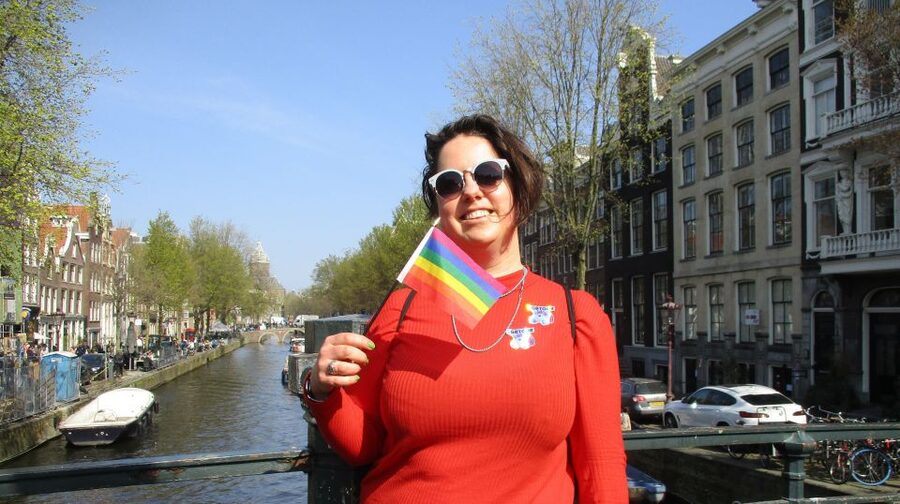
- Sanne’s personal approach: The guide shares her own experiences alongside the city’s social and political story.
- A walk through old Amsterdam: The route begins at Dam Square and passes through the Red Light District, Zeedijk, and the historic center.
- The Homomonument takes center stage: You spend about 20 minutes here, including the complicated story behind its creation.
- History with real-world meaning: The Condomerie, Pride, protests, gender identity, and the AIDS crisis all form part of the route.
- A fitting final stop: The walk ends outside Café ’t Mandje, Amsterdam’s oldest queer bar.
- Practical setup: The tour lasts two hours, runs rain or shine, and is offered in English or Dutch.
Why this walk tells Amsterdam differently
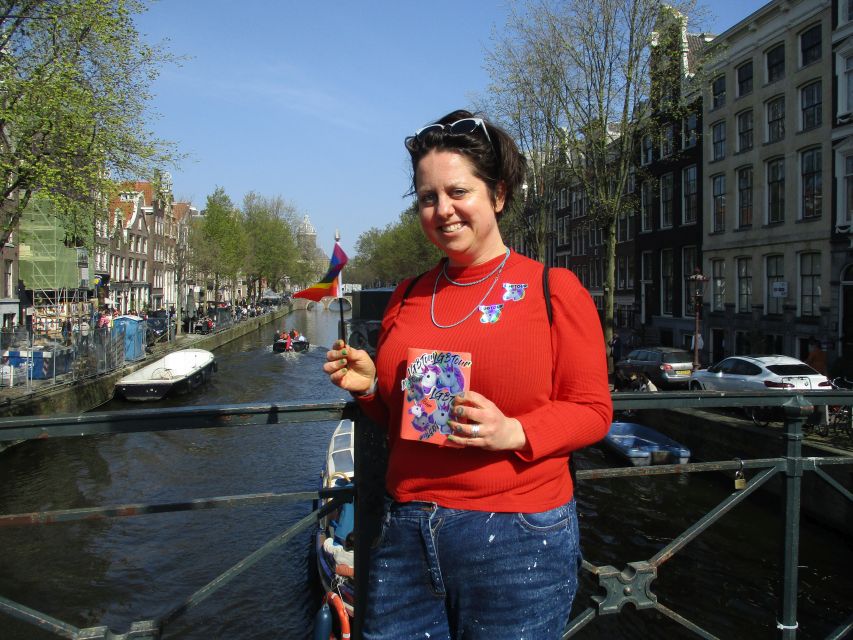
Amsterdam is often sold through canals, bicycles, art museums, and tolerant nightlife. Those are real parts of the city, but they do not tell the whole story. This tour asks you to look again at familiar places and consider who used them, who challenged the law, who found community there, and who had to fight to be seen.
That makes the route useful even if you already know central Amsterdam. The Royal Palace, the Red Light District, and Zeedijk Street are not treated as simple photo stops. Sanne uses them to explain how queer life intersected with commerce, religion, politics, tourism, protest, and daily life.
The tone is personal rather than academic. You are not signing up for a lecture packed with dates and names. Instead, Sanne brings historical events together with lived experience. Her stories about love, identity, and being single give the walk an open, human quality.
That personal element is the tour’s strongest feature. It also means the experience may feel more intimate and emotional than a standard sightseeing walk. If you prefer a strictly chronological tour with a large number of historical facts, this may not be the best match. If you want a direct connection between the city and the people who live in it, the format makes good sense.
More Walking Tours in Amsterdam
- Anne Frank’s Story – Guided Walking Tour through Amsterdam
★ 5.0 · 11,619 reviews - Amsterdam: Life of Anne Frank and World War II Walking Tour
★ 4.8 · 10,467 reviews - Absolutely Amsterdam – the Essential Introductory Walking Tour
★ 5.0 · 3,629 reviews
Starting at Dam Square and the National Monument
You meet Sanne at the National Monument in Dam Square. Look for the small rainbow flag, which makes the meeting point easier to identify amid one of Amsterdam’s busiest public spaces.
The location is practical. Dam Square is central, familiar, and easy to reach, but it can be crowded and noisy. Give yourself a little extra time to find the monument and guide, especially if you are arriving by tram or walking from Amsterdam Centraal.
Beginning here also gives the tour a useful setting. The National Monument is associated with remembrance and public memory, while the walk soon turns toward queer remembrance and activism. From the first stop, the focus is on how Amsterdam remembers its past and whose stories receive space in the city.
Wear shoes you can walk in for two hours. Bring rain gear and sun protection, since the tour takes place outdoors and continues in rain or shine.
The Homomonument and the politics of remembrance
The Homomonument is the emotional center of the tour. You spend about 20 minutes here with a guided explanation of the monument and the disputed, sometimes controversial story of how it came to be.
That context matters. A monument is never only an object in a square. It reflects decisions about who is remembered, what kind of public message is acceptable, and how a community presents its past. The Homomonument offers a way to discuss persecution, loss, protest, pride, and the ongoing need for public recognition.
Sanne’s approach appears to be especially well suited to this stop. She does not present queer history as a neat tale of progress. Instead, you can expect attention to disagreement and difficult questions as well as celebration.
The monument is also a good place to listen rather than rush. This is not simply a quick photograph before moving on. The 20-minute visit gives the story room to develop, and the personal tone makes the subject feel connected to present-day life.
Belle and the meaning of public symbols
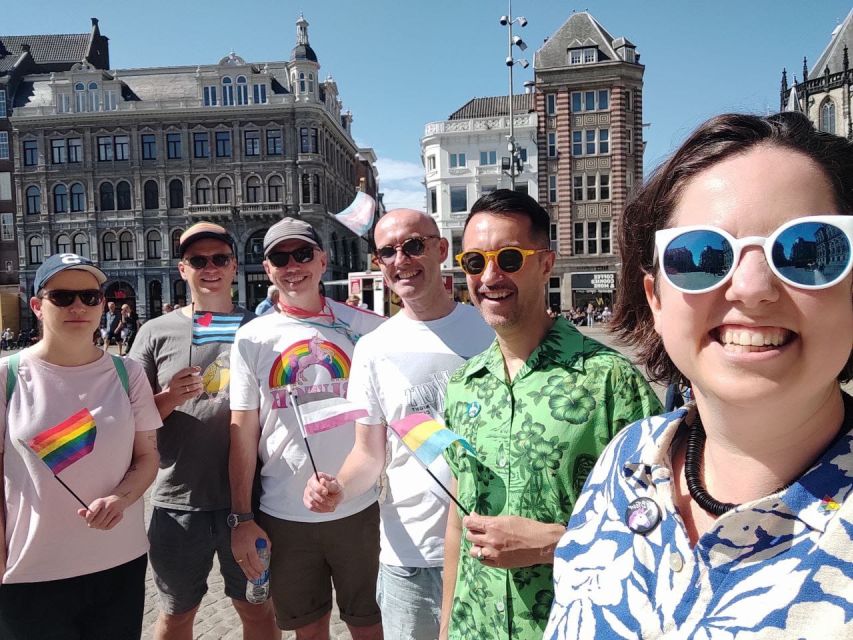
The next stop is Belle, where the tour spends about 10 minutes. The itinerary identifies this as one of the major stops, but it does not provide a full explanation of the specific story you will hear there.
That is worth noting before you book. You should expect a short guided stop connected to Amsterdam’s queer perspective, but you should not arrive expecting a detailed museum visit or a long presentation. The value lies in how Sanne places the stop within the wider walk.
This part of the route shows the tour’s method. Amsterdam’s queer story is not limited to bars or a single memorial. It appears in statues, streets, businesses, nightlife, and public debates. Sanne’s role is to connect those pieces so the city begins to look less familiar and more layered.
Same city, a completely different afternoon:
- Amsterdam: Van Gogh Museum Ticket
★ 4.7 · 52,054 reviews - Amsterdam Classic Saloon Boat Cruise with Drinks and Cheese
★ 5.0 · 31,825 reviews - Amsterdam Luxury Canal Cruise + Unlimited Drinks & Bites option
★ 5.0 · 30,518 reviews - Amsterdam: Heineken Experience Ticket
★ 4.6 · 30,055 reviews
The Condomerie and the AIDS crisis
At the Condomerie, the first condom shop in the world, you spend about 10 minutes with the guide. This stop brings public health into the story and adds a practical side to Amsterdam’s queer past.
The shop is linked to the AIDS crisis and to the need for safer sex information and supplies. That makes it more than an unusual storefront. It shows how businesses and communities responded to fear, illness, stigma, and urgent public need.
I like this stop because it moves the tour beyond identity as a cultural theme. Queer history also includes health campaigns, mutual support, changing sexual norms, and the difficult work of keeping people alive. A short visit can give you a clearer sense of how social change reaches ordinary streets and businesses.
The Condomerie may appeal particularly to visitors who want the tour to address real issues rather than focus only on colorful nightlife. The subject can be serious, so expect the tone to shift from playful observation to public health and loss.
The Red Light District from a queer perspective
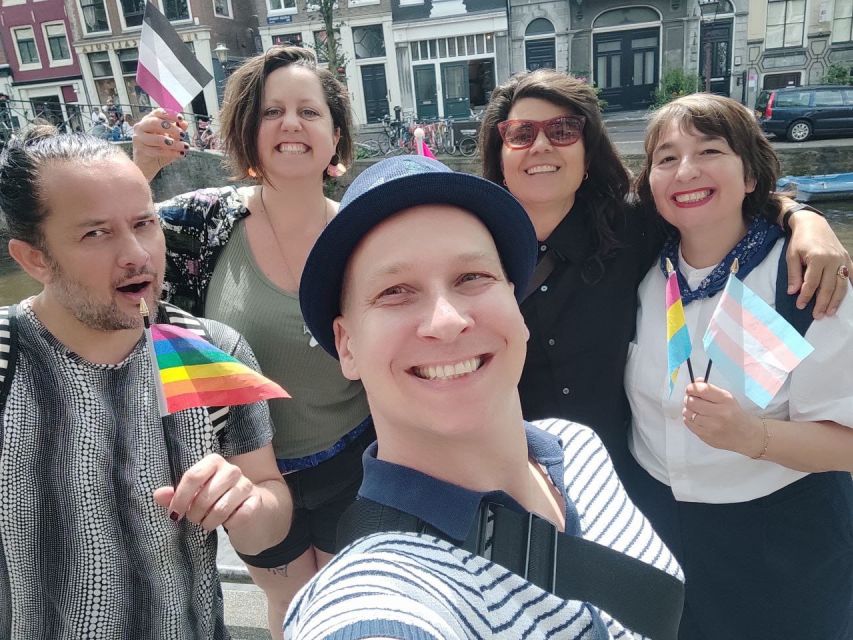
The walk then reaches Amsterdam’s Red Light District for about 15 minutes. This is the oldest part of the city and one of its most visited areas, but the tour asks you to see it through queer history rather than conventional sightseeing.
That change in viewpoint is important. The district is often reduced to sex tourism and crowded lanes. A queer-focused walk can show how nightlife, sexuality, commerce, and identity overlap without treating the area as a novelty.
You will be walking through an active neighborhood, not a private exhibit. Crowds and distractions are possible, and the subject matter is not suited to every child or every visitor. If you want a quiet route away from Amsterdam’s busiest central streets, this section may feel hectic.
For many people, though, this is where the tour becomes most useful. Sanne can place the district’s public image beside the less visible lives and communities connected to it. You are encouraged to think about what Amsterdam presents openly, what it hides, and who gets to feel at home in the center of town.
Eagle Amsterdam, Zeedijk, and old gay town
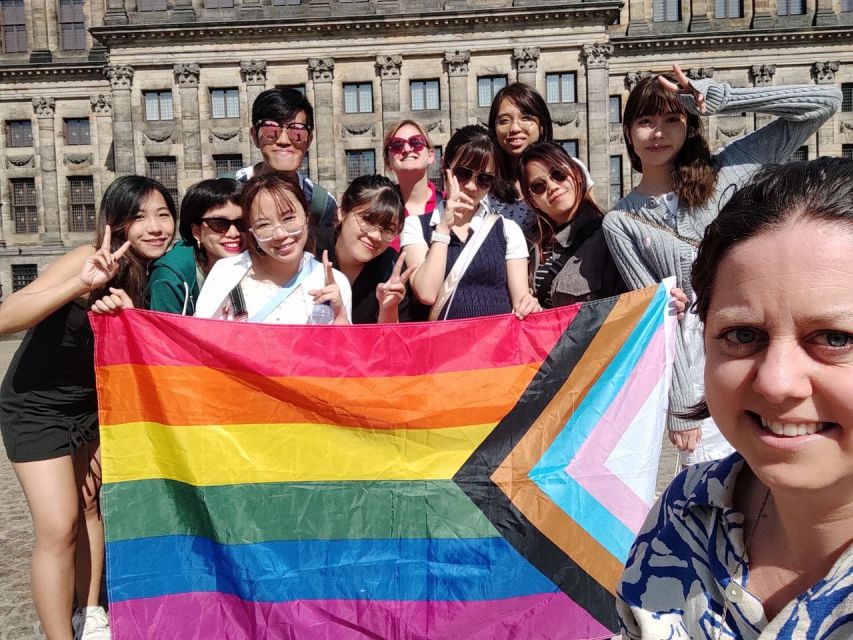
The group passes Eagle Amsterdam for about five minutes before walking along Zeedijk Street for roughly 15 minutes. The Eagle stop is brief, while Zeedijk provides more time for the guide to explain the area.
This section introduces what the tour calls old gay town, the queer and historic heart of central Amsterdam. The route is not only about formal memorials. Bars, clubs, shops, and streets can serve as records of community life, even when no plaque explains their importance.
Zeedijk is also a useful reminder that queer Amsterdam has never existed in isolation. It has grown alongside immigrant neighborhoods, commercial streets, religious buildings, tourist areas, and older working districts. The tour’s strength here is the connection between a familiar street and the people who made it part of queer life.
Eagle Amsterdam is a pass-by rather than an extended venue visit. You should not expect entry, drinks, or a club experience as part of the $59 price. The focus remains on interpretation while walking through the city.
Pride, protest, and the rainbow
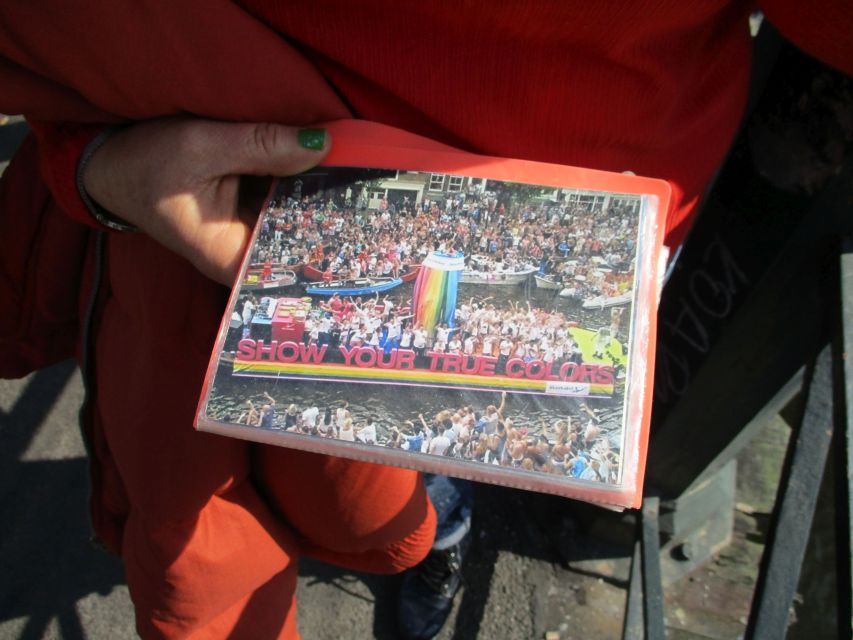
Pride is one of the main themes of the walk. Amsterdam’s Pride is closely associated with the city’s canals, and Sanne discusses the event as both a celebration and a form of public protest.
That balance is useful. Pride can look like a huge party from the outside, but its public presence also carries political meaning. The rainbow is presented here as a sign of community, visibility, and shared participation, not as a decoration reserved for one group.
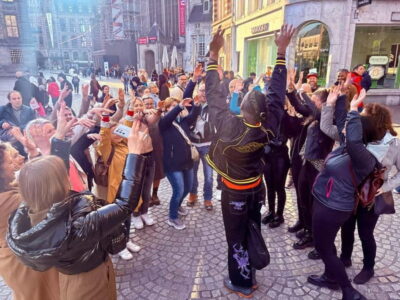
The tour welcomes LGBTQI+ people and allies, and the social side is part of the design. You have the chance to meet people from different countries and share your own experiences if you want to. You are never required to disclose anything personal, but the format leaves room for conversation.
This makes the walk a good choice for a solo visitor who wants more human contact than a standard audio guide provides. It can also suit couples, friends, and allies who want a shared activity with a clear social purpose.
Pride Clothing and Kokopelli
The route passes Pride Clothing for about five minutes, then stops at Kokopelli for around 10 minutes. As with the other commercial stops, the point is not simply shopping. These places help show how queer culture appears in everyday Amsterdam.
Pride Clothing represents the visible, public side of identity. A shop can be a place to buy something, but it can also signal that a community is recognized in the street. Kokopelli adds another layer to the route, with Sanne using the stop to explain a different part of Amsterdam’s queer life.
The supplied information does not specify every detail of the Kokopelli presentation, so I would treat it as a short guided stop rather than a full indoor attraction. The value comes from the story Sanne attaches to the location and from seeing how the route moves between monuments, businesses, and public streets.
These shorter stops also keep the two-hour schedule moving. You get a broad view of the area rather than spending the whole tour at one memorial.
Unicorns, royal symbols, and unexpected connections
One of the tour’s promised ideas concerns the Royal Palace and the surprising presence of unicorns at this queenly building. It is a small detail, but it captures the tour’s style well.
You are encouraged to look closely at familiar architecture and ask questions about symbols that most people pass without noticing. The point is not to claim that every old building has a secret queer meaning. It is to show how unexpected connections can open a new reading of Amsterdam.
This kind of observation is useful after the tour ends. You may find yourself paying closer attention to statues, coats of arms, shop signs, and public decorations across the city. A good walking tour gives you facts, but an excellent one also changes how you look.
The Dancing Houses and the final walk to Café ’t Mandje
The Dancing Houses provide a 10-minute photo stop near the end of the route. They are a familiar Amsterdam sight, so this pause gives you time for pictures while keeping the queer theme in view.
The walk finishes outside Café ’t Mandje, identified as Amsterdam’s oldest queer bar. Ending here is a smart choice. After monuments, protests, public health, nightlife, and personal stories, the route closes at a place associated with gathering and social life.
The tour does not state that admission, food, or drinks are included. Think of the café as the finishing location, not a guaranteed bar visit. You may want to continue independently afterward, but the experience itself ends outside the venue.
That finish also gives you a practical next step. If you want to continue exploring Amsterdam’s LGBTQI+ scene, Sanne provides a personal list of recommended events, venues, and favorite places.
What $59 means for the value
At $59 per person, this is not the cheapest way to walk around central Amsterdam. You are paying more than the cost of seeing the streets on your own, and most stops are viewed from outside or during brief visits.
The value comes from the guide’s interpretation. Sanne provides a focused theme, personal accounts, historical context, and a route that would be difficult to assemble on your own. The walk also gives you a chance to talk with LGBTQI+ people and allies, which is part of the experience rather than an extra.
The price makes the most sense if you care about queer history and want a guide who treats it as central, serious, and personal. It makes less sense if you mainly want interior attractions, nightlife access, or a broad general tour of Amsterdam.
The two-hour length is well judged for a walking route through busy central streets. It is long enough to cover several neighborhoods and stories without taking an entire day. Since the tour runs in rain or shine, weather can affect your comfort and the atmosphere. Bring a coat or rain gear when needed, and use sunscreen and a hat in strong sun.
The tour is listed as wheelchair accessible, though the route includes city streets and outdoor public areas. If you need detailed information about pavement, restroom access, or individual stops, confirm those points before booking.
Who should choose the Queer City Walking Tour
I would recommend this experience to you if you want:
- A focused LGBTQI+ view of Amsterdam rather than a general city introduction
- Personal stories alongside public history
- A central route that includes Dam Square, the Red Light District, Zeedijk, and Café ’t Mandje
- A social experience with LGBTQI+ people and allies
- A walk that addresses Pride, protest, gender, the AIDS crisis, and community life
- Suggestions for queer events and venues after the tour
You may want another activity if you dislike personal storytelling, prefer museums and indoor attractions, or want a quiet walk away from the Red Light District. The tour also discusses sexuality, gender, public health, and queer life directly, so it is best suited to people comfortable with mature subjects.
Sanne’s strongest quality is the care she brings to the subject. The response to her tours repeatedly highlights her warmth, personal connection, and grasp of the material. That combination matters here because the route asks you to listen to painful stories as well as celebrate progress.
Should you book it?
Book this tour if you want Amsterdam to become more than a collection of famous views. The Homomonument, Condomerie, old gay town, Pride stories, and Café ’t Mandje create a clear route through the city’s queer past and present.
At $59, the walk is worth it for the focused subject, Sanne’s personal guidance, and the chance to meet people with a shared interest. Go prepared for weather, public streets, and emotionally serious topics. If that sounds like the kind of city experience you value, this is a thoughtful way to spend two hours in Amsterdam.
FAQ
How long does the Queer City Walking Tour last?
The tour lasts two hours.
Where does the tour begin?
It begins at the National Monument in Dam Square.
Where does the tour finish?
The walk finishes outside Café ’t Mandje.
Who leads the tour?
The tour is led by Sanne from LGBTOUR_Amsterdam.
Which languages are available?
The tour is offered in English and Dutch.
Is the tour wheelchair accessible?
Yes, the activity is listed as wheelchair accessible.
Does the tour operate in bad weather?
Yes. The tour takes place rain or shine, so bring suitable rain gear or sun protection.
What should you bring?
Wear comfortable shoes and clothes. A sun hat, sunscreen, and rain gear are also recommended.
Does the tour enter the bars and venues along the route?
The supplied details describe guided stops, visits, and pass-by locations. They do not state that admission, food, or drinks at the venues are included.
What is the cancellation policy?
You can cancel up to 24 hours in advance for a full refund. You can also reserve your place and pay later.
Just added around Amsterdam
- Amsterdam: Food and Canal Tour★ 4.6 · 22 reviews
- Discover Deventer with an Outside Escape city game tour!★ 4.5 · 23 reviews
- Segway City Tours Amsterdam★ 4.3 · 23 reviews
- Amsterdam Canal Cruise in Classic Salon Boat With Drinks and Cheese★ 4.0 · 22 reviews
- Historical Walking Tour, private with local Dutch guide★ 5.0 · 23 reviews
- Utrecht Food Tour on a Bicycle with local guide★ 5.0 · 23 reviews
- Amsterdam: Captain For a Day 2-Hour Boat Rental★ 4.9 · 23 reviews
- Amsterdam Small-Group Breakfast Morning Cruise★ 5.0 · 23 reviews
Walking Tours in Amsterdam, compared.
Anne Frank’s Story – Guided Walking Tour through Amsterdam
Read our review →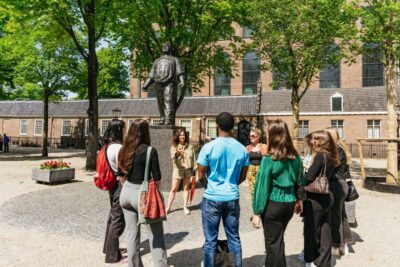
Life of Anne Frank and World War II Walking Tour
Read our review →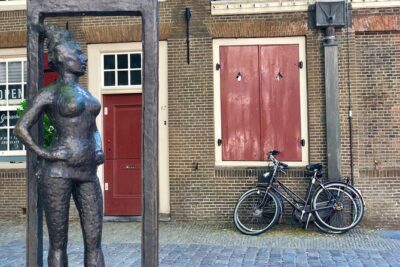
Absolutely Amsterdam – the Essential Introductory Walking Tour
Read our review →
Anne Frank Walking Tour – Guided in EN/DE/IT/ES
Read our review →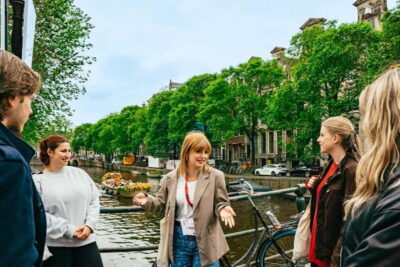
Anne Frank Walking Tour Amsterdam Including Jewish Cultural Quarter
Read our review →Browse the lists this tour appears in