
Reviewed · WALKING TOURS IN AMSTERDAM
Amsterdam Private Walking Tour of Famous Painters
Amsterdam’s art story makes more sense when you see it in the streets that shaped it. This private three-hour walk links Amsterdam Centraal, the old harbor district, an ancient wooden bar, De Waag, Rembrandt’s former home, and the Jewish Quarter through painters such as Rembrandt, Frans Hals, and Jan Steen.
I like the private format, since your group can steer the conversation toward art, maritime trade, religion, or women’s rights. I also like the way the walk uses everyday places, including In ’t Aepjen and Nieuwmarkt, instead of treating Amsterdam as one long museum corridor. Guides named Sasha and Diana have led this experience.
The main drawback is the price: $231.52 per person is a serious outlay for a three-hour walk, especially since coffee, snacks, and the Portuguese Synagogue admission are not included. It makes the most sense for families or small groups that value a flexible guide and can share the cost.
In This Review
- Key points before you book
- Start with Amsterdam’s Golden Age at Centraal Station
- St. Nicholas Basilica and the Catholic Protestant divide
- In ’t Aepjen, Jan Steen, and the art of having a drink
- Chinatown and the changing old city
- De Waag and the darker side of Golden Age Amsterdam
- Rembrandt’s house and the cost of artistic success
- The Jewish Quarter and the Portuguese Synagogue
- What the private format changes
- Timing, language, and what to bring
- Who will get the most from this walk
- Should you book the Famous Painters walk?
- FAQ
- How long does the Amsterdam Private Walking Tour of Famous Painters last?
- Where does the tour begin?
- Where does the tour end?
- Is this a private tour?
- Which languages are available?
- Are admission tickets included?
- Can I cancel for a full refund?
Key points before you book
- A private route from Centraal Station to the Portuguese Synagogue: Your group walks its own route without strangers joining in.
- Art explained through ordinary Amsterdam life: Jan Steen and Frans Hals help set the scene in a historic bar, while Rembrandt frames stories of punishment, anatomy, and success.
- Six useful stops in about three hours: The schedule includes short visits at Centraal Station, St. Nicholas Basilica, In ’t Aepjen, Chinatown, Nieuwmarkt and De Waag, then the Jewish Quarter.
- A flexible theme: You can ask for more attention to maritime trade, women’s rights, Catholic and Protestant conflict, or the lives of Dutch painters.
- English and Russian guiding: This is useful for families and private groups who prefer either language.
- A strong introduction before the Rijksmuseum: The tour does not replace a museum visit, but it can give paintings by Rembrandt, Frans Hals, and Jan Steen a street-level setting.
Start with Amsterdam’s Golden Age at Centraal Station
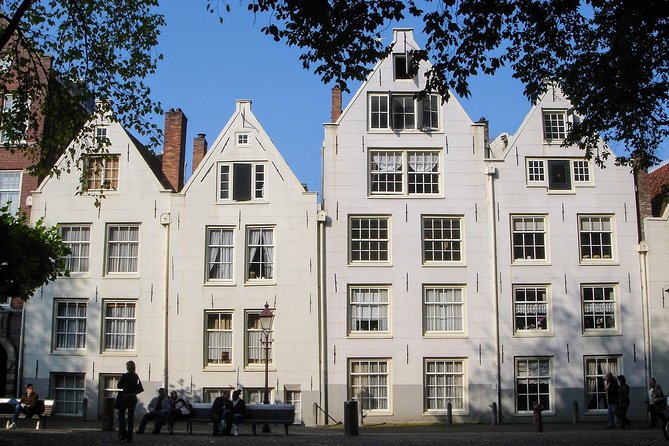
The tour begins at Amsterdam Central Railway Station, Stationsplein 13a. This is a practical meeting point near public transportation, and the first 15 minutes are used to set up the history of the Netherlands during its Golden Age.
That opening matters. Amsterdam’s great paintings did not appear in isolation. They grew out of a society shaped by trade, religion, money, migration, and changing ideas about status. Starting at the station gives your guide a clear place to explain the city’s wider story before the walk moves into older streets.
You should expect this to be an orientation rather than an art lecture. The guide can connect the city’s success to the people and subjects later seen in Dutch paintings. If you are traveling with children or teenagers, this broad beginning may help them understand why a painting of a merchant, civic guard, family gathering, or tavern scene can tell you as much about society as a formal history book.
The station itself is also easy to find, but it can be busy. Give yourself enough time to locate Stationsplein 13a and meet the guide without rushing. Since the activity is private, the meeting time can be arranged around your group’s plans, according to the booking information and the experience’s flexible approach.
More Private Tours in Amsterdam
- Rijksmuseum Amsterdam Small-Group Tour with Private Upgrade
★ 4.5 · 1,547 reviews - Van Gogh Museum Tour Reserved Entry Semi Private
★ 5.0 · 1,437 reviews - Private Amsterdam Red Light District and Coffee Shop Tour
★ 5.0 · 763 reviews
St. Nicholas Basilica and the Catholic Protestant divide
A 15-minute walk or stop brings you to St. Nicholas Basilica. The church was built after the Golden Age, so you are not visiting it as a surviving Golden Age building. Instead, it provides a useful setting for discussing Catholics, Protestants, the Eighty Years’ War, and the changes that followed.
This is one of the tour’s better choices because religious conflict is easy to reduce to dates and names. In Amsterdam, religious identity affected public life, private worship, and the way communities fit into the city. Your guide can use the basilica to explain those tensions before turning back to the painters who worked in their shadow.
The stop is brief, so do not expect a full church tour. Its value is in the connection between place and subject. If religion is central to your interest in Dutch art, tell the guide early. The private format gives you room to ask how Catholic and Protestant life affected artists, patrons, and the subjects that appeared in paintings.
In ’t Aepjen, Jan Steen, and the art of having a drink
The stop at In ’t Aepjen brings the tour down to a more human scale. Located in one of Amsterdam’s oldest wooden houses, this authentic bar is used to discuss Dutch drinking traditions, favorite games, national habits, and major celebrations.
This is where Jan Steen and Frans Hals become especially useful. Their paintings often help explain how people behaved when work was over and the table was full. You are not just hearing about famous names. You are looking at drinking customs and social habits through the eyes of painters who paid attention to ordinary pleasure, disorder, humor, and celebration.
The stop lasts about 15 minutes. The tour includes a guide, but coffee, tea, and snacks are not included, so do not count on a drink break as part of the package. The bar is best treated as a setting for the discussion rather than a guaranteed tasting stop.
I like this part because it avoids the trap of presenting Dutch art as solemn and respectable. A city’s culture is also found in its taverns, jokes, games, and bad decisions. That makes Jan Steen easier to remember, and it gives younger members of a family something concrete to hold onto.
Chinatown and the changing old city
The route continues through Amsterdam’s Chinatown for about 15 minutes. The supplied plan gives few details about this stop, so you should see it as a short part of the old-city walk rather than a full neighborhood tour.
Its position between the bar and Nieuwmarkt helps keep the route rooted in the historic center. The walk is not only about paintings on museum walls. It follows streets where communities, businesses, and daily routines have changed over time.
If you want more attention to migration, trade, or the way Amsterdam developed as an international port, this is a good place to ask. The tour can be tailored to maritime trade routes and other themes, but the guide will need to know your interests. Do not assume every subject receives equal time in the standard three-hour schedule.
More Walking Tours in Amsterdam
- Anne Frank’s Story – Guided Walking Tour through Amsterdam
★ 5.0 · 11,619 reviews - Amsterdam: Life of Anne Frank and World War II Walking Tour
★ 4.8 · 10,467 reviews - Absolutely Amsterdam – the Essential Introductory Walking Tour
★ 5.0 · 3,629 reviews - Amsterdam: Anne Frank Guided Small Group Walking Tour
★ 4.8 · 2,722 reviews
De Waag and the darker side of Golden Age Amsterdam

Nieuwmarkt and De Waag receive about 30 minutes, making this the longest scheduled stop before the Jewish Quarter. The square carries stories of myths, witches, prisoners, punishments, and the former anatomical theater.
Rembrandt is the key painter here. His work helps the guide discuss the way anatomy, justice, crime, and public spectacle appeared in Golden Age society. This is an important correction to the familiar picture of Amsterdam as only prosperous, tolerant, and cheerful. The city also had strict punishments and public displays of power.
Families once used the area for leisure, and that contrast gives the stop its edge. A place where people spent free time can also hold stories of imprisonment and punishment. The guide’s task is to connect these different uses of the square without turning the conversation into a list of grim facts.
The 30-minute timing gives you more room for questions than the earlier stops. If Rembrandt is your main reason for booking, this is one of the sections to protect. Ask about the difference between the artist’s public success and the harder parts of his career. The tour promises attention to both achievements and failures, and this is the natural point to discuss them.
Rembrandt’s house and the cost of artistic success
The route gives special attention to Rembrandt’s house, though the schedule does not assign a separate duration. Your guide explains his life, talent, fate, and the pressures facing a successful artist in the Golden Age.
That focus is useful because Rembrandt can easily become a heroic name detached from real life. Here, the subject is not only his ability. It is also what success meant, what could go wrong, and what mattered to an artist trying to work and live in Amsterdam.
The information provided does not state that entry to the Rembrandt House Museum is included. Treat this as an exterior or neighborhood discussion unless your booking confirmation says otherwise. If you want to go inside, plan that as a separate museum visit and check the admission details before you arrive.
This section also makes the walk a good prelude to the Rijksmuseum. You will have a framework for looking at Rembrandt and other Dutch painters later, rather than meeting their names for the first time in a gallery. One family used the tour as an introduction before visiting the Rijksmuseum, which is a sensible way to combine the two experiences.
The Jewish Quarter and the Portuguese Synagogue
The final major section takes you through the Jewish neighborhood and ends at the Portuguese Synagogue, Mr. Visserplein 3. The walk spends about 20 minutes here and points toward the Jewish Historical Museum, the synagogue, and the famous flea market.
The focus shifts from individual painters to the Jewish diaspora in the Netherlands. Your guide can discuss traditions, daily life, and legal rights, adding another group perspective to the larger Golden Age story.
This is a quiet and thoughtful finish after the crowded streets around Centraal Station and the old harbor area. It also broadens the tour beyond the most familiar Dutch names. You see how the city’s story included different religious communities and how their place in Dutch society developed.
Admission to the Portuguese Synagogue is not included. The tour ends there, so you can decide if you want to continue inside after the guide says goodbye. That makes the final stop useful for planning, but you should allow extra time and budget if you want to visit the site beyond the walking tour.
What the private format changes
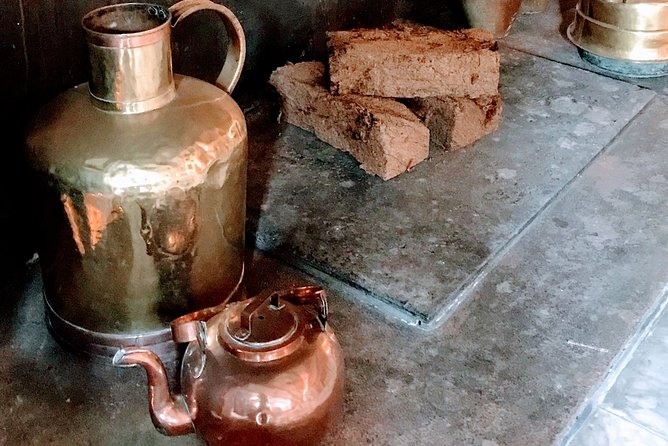
A private tour is not automatically better than a group tour, but here it solves several practical problems. Your guide can adjust the balance between art, politics, religion, trade, and social history instead of delivering the same script to a mixed crowd.
That flexibility is especially helpful for families. One family had teenagers aged 17, 18, and 20 with different interests in history, art, architecture, and popular Amsterdam sights. A private guide can move between those subjects more easily than a large scheduled group.
It also works well for a solo visitor. Diana has led the experience for a solo participant, and the private setup allows more direct conversation. You can ask about a detail that caught your eye without worrying about holding up a large group.
The trade-off is cost. At $231.52 per person, the tour is not a budget introduction to Amsterdam. Group discounts may improve the value, and the private rate becomes easier to justify when divided among several people who want the same guide. For one person or a couple, compare the price with a museum ticket and a standard group walk before booking.
Timing, language, and what to bring
The walk lasts approximately three hours. The listed stops total about two hours, with the remaining time covering walking, transitions, and the Rembrandt house section. Wear comfortable shoes and keep your schedule loose, since Amsterdam’s old streets are better handled at a steady pace than a hurried one.
The experience is offered in English and Russian. Confirm your preferred language when booking, especially if your group includes people with different comfort levels.
A mobile ticket is available, and confirmation is sent at booking. Most people can participate, and the route is near public transportation. No special fitness requirement is stated, but this is a walking tour, so it is sensible to plan for standing and moving between several central locations.
The guide is included. Coffee, tea, and snacks are not. Bring water if you prefer to have a drink during the three hours, and remember that admission to the Portuguese Synagogue is extra.
Free cancellation is available if you cancel at least 24 hours before the local start time. Changes or cancellations inside that window are not accepted for a refund, so check your plans before the deadline.
Who will get the most from this walk
I would choose this tour for a family with mixed interests, a couple who wants art with more context, or a small group that prefers conversation over a fixed script. It is also a good first-day activity if you want to understand Amsterdam before spending time in the Rijksmuseum.
Art specialists may find the museum content too limited, since the experience does not include a gallery visit. You will hear about major painters and see the places used to explain their work, but the walk is more about context than close study of individual canvases.
The tour also suits visitors who want Amsterdam’s less polished stories. Drinking customs, punishments, religious conflict, Jewish rights, and the failures of successful artists all receive space. That balance gives you a fuller sense of the city than a tour focused only on beautiful facades and famous paintings.
If you dislike walking or want guaranteed indoor access, look elsewhere. Several stops are brief, the tour moves through public areas, and the main museum admissions are not part of the price.
Should you book the Famous Painters walk?
Book it if you want a private, flexible introduction to Amsterdam’s art and society, especially before visiting the Rijksmuseum. Sasha and Diana are named guides associated with the experience, and the private structure is well suited to families, solo visitors, and groups with specific interests.
Think twice if $231.52 per person feels high for three hours or if your main goal is to enter museums and see original paintings. In that case, put the money toward museum admission or compare it with a less expensive group tour.
For the right group, the value is not the number of stops. It is the connection between painters and places: a bar for Jan Steen, De Waag for Rembrandt, a basilica for religious conflict, and the Jewish Quarter for community life and rights. That is a useful way to read Amsterdam before you start looking at its art indoors.
FAQ
How long does the Amsterdam Private Walking Tour of Famous Painters last?
The tour lasts approximately three hours.
Where does the tour begin?
It begins at Amsterdam Central Railway Station, Stationsplein 13a, 1012 AB Amsterdam, Netherlands.
Where does the tour end?
The tour ends at the Portuguese Synagogue of Amsterdam, Mr. Visserplein 3, 1011 RD Amsterdam, Netherlands.
Is this a private tour?
Yes. Only your own group participates in the activity.
Which languages are available?
The experience is offered in English and Russian.
Are admission tickets included?
The guide is included, but admission to the Portuguese Synagogue is not included. The provided information does not state that admission to the Rembrandt House is included.
Can I cancel for a full refund?
Yes, if you cancel at least 24 hours before the experience’s local start time. Cancellations or changes made less than 24 hours before the start are not accepted for a refund.
Just added around Amsterdam
- Hilvarenbeek: Speelland Beekse Bergen Entrance Ticket★ 3.7 · 3 reviews
- Half-Day Private Guided Sightseeing Tour of Zaanse Schans★ 5.0 · 3 reviews
- Dutch Golden Age: Private Tour of Amsterdam & Rembrandt’s House★ 5.0 · 3 reviews
- Amsterdam: Beer Tasting with Paired Bites at Eighty-Four★ 5.0 · 3 reviews
- From Amsterdam: Day Trip to Efteling Theme Park with Ticket★ 5.0 · 3 reviews
- Amsterdam All Inclusive Guided Walking Craft Beer Tour★ 5.0 · 3 reviews
- 3 Course Walking Dinner in Delft with Guided Tours in Between★ 5.0 · 3 reviews
- Historical Leiden: Private Tour with Local Guide★ 5.0 · 3 reviews
Walking Tours in Amsterdam, compared.
Anne Frank’s Story – Guided Walking Tour through Amsterdam
Read our review →
Life of Anne Frank and World War II Walking Tour
Read our review →
Absolutely Amsterdam – the Essential Introductory Walking Tour
Read our review →

Anne Frank Walking Tour – Guided in EN/DE/IT/ES
Read our review →
Anne Frank Walking Tour Amsterdam Including Jewish Cultural Quarter
Read our review →Browse the lists this tour appears in