
Reviewed · WALKING TOURS IN AMSTERDAM
Amsterdam Old City Private Walking Tour
Amsterdam’s story gets especially clear when you walk it. This private tour links the medieval center, old city wall, canals, Chinatown, Jewish Quarter, and Red Light District into one compact route, showing how a swamp-side settlement grew into a world power. The city itself is the museum, with merchant houses and old lanes doing much of the talking.
I like the private format, since your guide can adapt the two hours to your interests instead of giving every group the same script. I also like the local angle: one guide has decades of Amsterdam experience and can discuss changes from the 1970s alongside the standard history. The main drawback is time. Two hours is enough to get your bearings and see many districts, but not enough for long visits inside every church or museum.
In This Review
- Key points at a glance
- Starting at Central Station and entering old Amsterdam
- Merchant houses along the Herengracht
- Old Church, hidden churches, and the Oude Manshuispoort
- Begijnhof and the city’s quieter side
- Chinatown and Nieuwmarkt
- The Red Light District with context
- Amsterdam’s world-power years in plain language
- What the private format really adds
- Timing, pace, and practical limits
- Who should book this Amsterdam walk?
- Should you book it?
- FAQ
- Where does the Amsterdam Old City Private Walking Tour meet?
- How long does the walking tour last?
- How much does the private tour cost?
- Is the tour shared with other groups?
- Which languages are available?
- What places can the tour include?
- Is the walking tour wheelchair accessible?
- Can I bring luggage or a large bag?
- What is included in the price?
Key points at a glance
- Amsterdam’s rise from reclaimed swamp: Learn how mud, harbor access, and trade shaped the city.
- A private group up to 10: You get a personal guide and a route adjusted to your questions.
- Many districts in two hours: The walk can include the medieval center, canals, Chinatown, old Jewish District, and Red Light District.
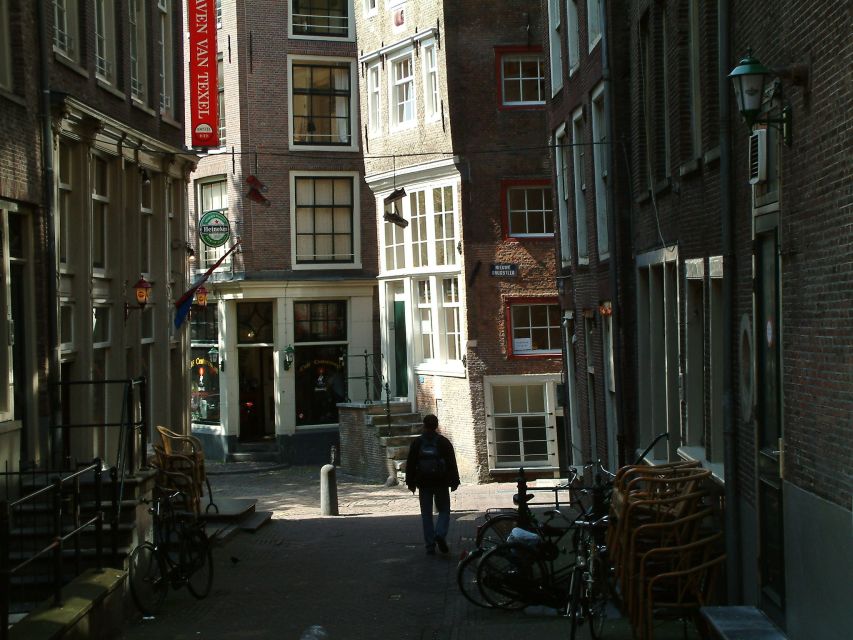
- Authentic city details: Look for old pawn shops, merchant houses, hidden churches, and the Oude Manshuispoort.
- Useful for first-time visitors: The route gives you a practical sense of how central Amsterdam fits together.
- Accessible and flexible booking: The walk is wheelchair accessible, with cancellation up to 24 hours before departure.
Starting at Central Station and entering old Amsterdam
The meeting point is in front of the main entrance of Amsterdam Central Station. This is a practical start, especially if you have just arrived by train or are staying outside the center. You will meet your guide there and begin on foot, so leave luggage and large bags elsewhere. They are not allowed on the tour.
The first part takes you into Amsterdam’s medieval center. You can expect a discussion of the old city wall and the early settlement, rather than a quick march from one famous photo stop to another. That matters because Amsterdam can seem like a tidy collection of canals until you understand the original problem: the town was built on reclaimed swamp.
The ground had to be buried in mud, and the harbor was difficult to reach. Amsterdam’s direct connection with the North Sea was not completed until the 19th century, yet the city had already become one of Europe’s major centers of trade, science, and culture. By 1650, about 220,000 people lived here, making Amsterdam the third-largest city in Europe.
I find this kind of opening useful because it gives the pretty canal views a reason. The leaning houses, narrow streets, and waterways are not random decoration. They reflect a city that had to control water, move goods, and make valuable urban land work hard.
More Private Tours in Amsterdam
- Rijksmuseum Amsterdam Small-Group Tour with Private Upgrade
★ 4.5 · 1,547 reviews - Van Gogh Museum Tour Reserved Entry Semi Private
★ 5.0 · 1,437 reviews - Private Amsterdam Red Light District and Coffee Shop Tour
★ 5.0 · 763 reviews
Merchant houses along the Herengracht
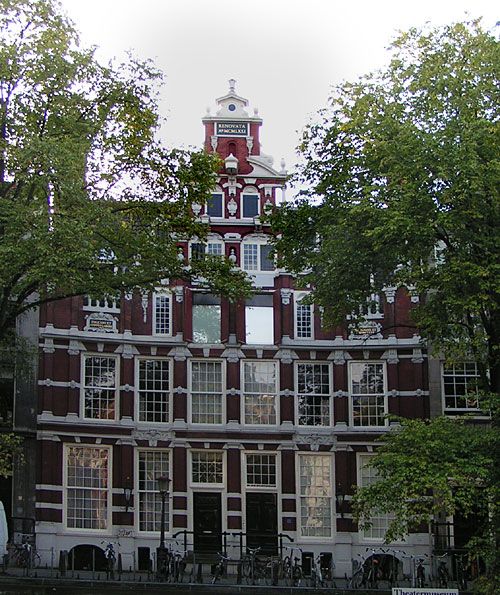
The walk continues toward the famous canals, including the Herengracht. This was one of the first three major canals in the city and remains one of the best places to see Amsterdam’s grand merchant architecture.
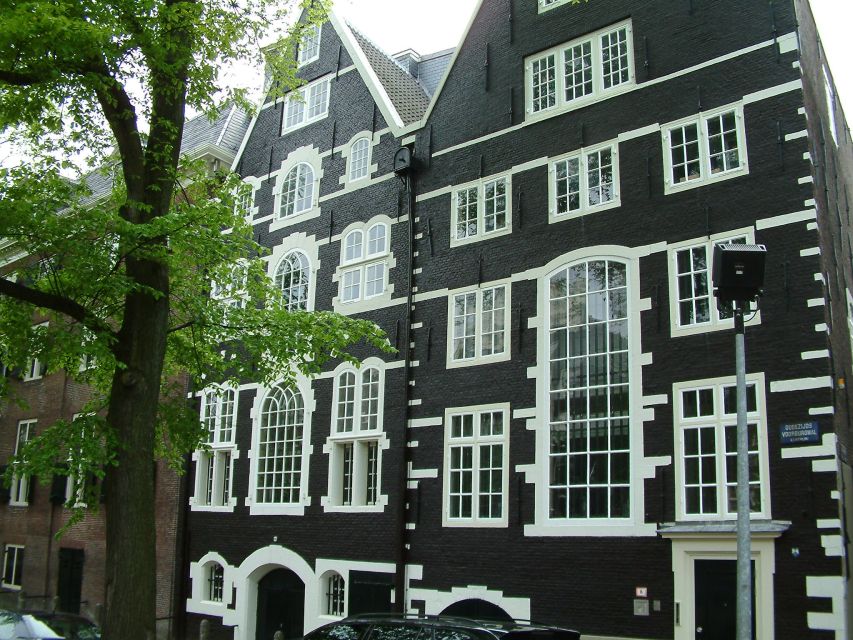
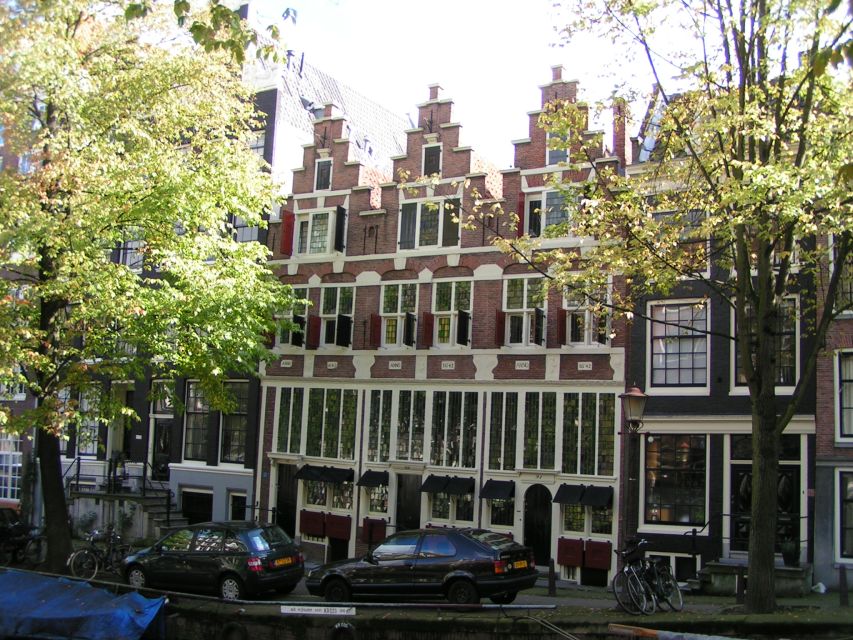
Your guide can point out the tall 17th-century houses built by successful merchants. Their narrow fronts helped owners manage expensive property along the water, while the houses themselves reveal the money pouring into Amsterdam during its great trading period. You will see why architecture is such a good way to read the city’s social history.
The canal section is also a good place to ask questions. If you care about design, building styles, or the practical side of canal life, this private format gives you room to stop and look instead of simply listening from the back of a large group.
The tour also includes the Jordaan district, where you might see handsome merchant houses and old pawn shops. The Jordaan is useful for understanding Amsterdam beyond its postcard center. It connects grand commercial history with more ordinary city life, old businesses, and later changes in the neighborhood.
Do not expect a full architectural survey in two hours. The guide has to keep moving, and the exact balance between canals, churches, and districts will depend on your interests. If merchant houses are your priority, say so at the beginning.
Old Church, hidden churches, and the Oude Manshuispoort
Religious buildings add another layer to the walk. The Old Church, or Oude Kerk, is among the key sights on the route. You will also hear about hidden churches and pass the Oude Manshuispoort, an old passageway that helps show how much of Amsterdam’s character is tucked behind main streets.
These places are valuable because they make the medieval city feel less polished and more complex. Amsterdam’s public image often begins with canals and merchant wealth, but its older lanes preserve traces of religious life, charity, housing, and city movement.
The Old Church is especially striking in context because it sits beside the Red Light District. That close mix of sacred and commercial life is one of the city center’s defining contrasts. A guide can explain the setting and point out details you could easily miss while walking alone.
Still, this is a walking tour, not a church admission tour. The supplied details promise sights and explanations, but they do not promise extended interior visits or entrance tickets. If you want a long look inside the Old Church, confirm what is possible when booking.
Begijnhof and the city’s quieter side
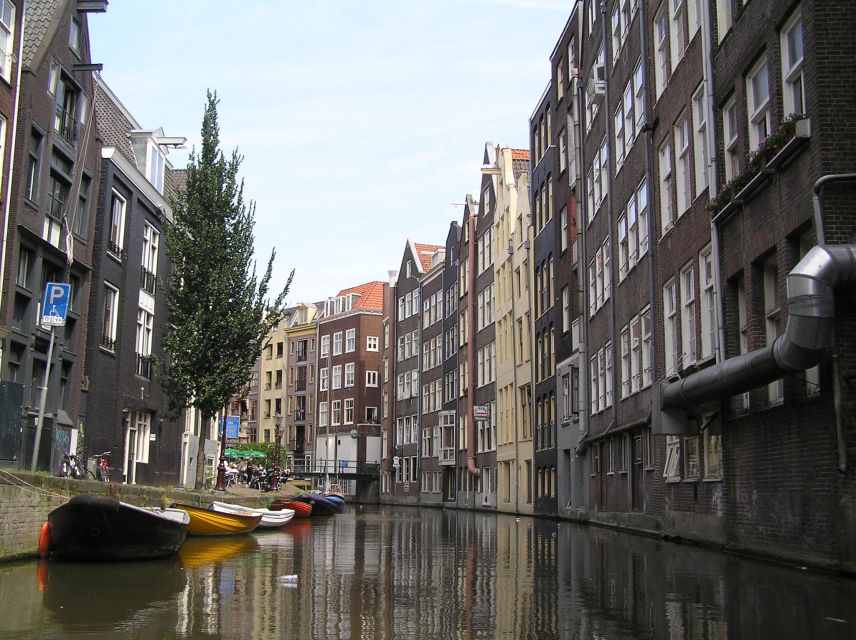
The Begijnhof women’s homes offer a change of mood. This courtyard setting is known for its former women’s community and provides a quieter pause within the central city.
The value here is contrast. After medieval streets, canals, and busy commercial districts, a more enclosed residential space helps you see how Amsterdam’s center once supported different types of community life. It also gives your guide a chance to explain the people who lived there, rather than focusing only on wealthy merchants and international trade.
The Begijnhof is a good reason to choose a private walk if you like social history. You can ask how women’s homes fit into Amsterdam’s urban life, or shift the conversation toward architecture and daily routines. The tour is designed to respond to your wishes, so use that flexibility.
Because the whole walk lasts only two hours, the Begijnhof is one of several stops rather than a stand-alone visit. You will need to keep the pace steady if you want to cover the wider route.
More Walking Tours in Amsterdam
- Anne Frank’s Story – Guided Walking Tour through Amsterdam
★ 5.0 · 11,619 reviews - Amsterdam: Life of Anne Frank and World War II Walking Tour
★ 4.8 · 10,467 reviews - Absolutely Amsterdam – the Essential Introductory Walking Tour
★ 5.0 · 3,629 reviews - Amsterdam: Anne Frank Guided Small Group Walking Tour
★ 4.8 · 2,722 reviews
Chinatown and Nieuwmarkt
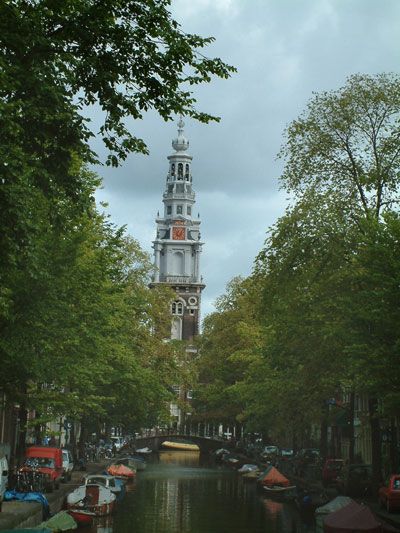
The route moves through Chinatown and Nieuwmarkt, two areas that broaden the picture of central Amsterdam. Chinatown brings another cultural and commercial layer to the old city, while Nieuwmarkt connects with the historic center and the remains of earlier urban defenses.
This portion is useful if you want more than the usual canal loop. It shows that Amsterdam’s center is not only grand houses and elegant bridges. It is also a place shaped by migration, trade, food, neighborhood life, and changing uses of old buildings.
The route includes the former Jewish District as well. Here, your guide can place Amsterdam’s Jewish community within the city’s wider development. The exact details covered will depend on your guide and your questions, but the district gives the walk a more serious historical dimension.
You should expect a broad introduction rather than a specialist tour of Jewish Amsterdam. Two hours cannot provide the full story of the neighborhood, its institutions, and its wartime history. If that subject is your main reason for booking, tell the guide early so the route can give it proper weight.
The Red Light District with context
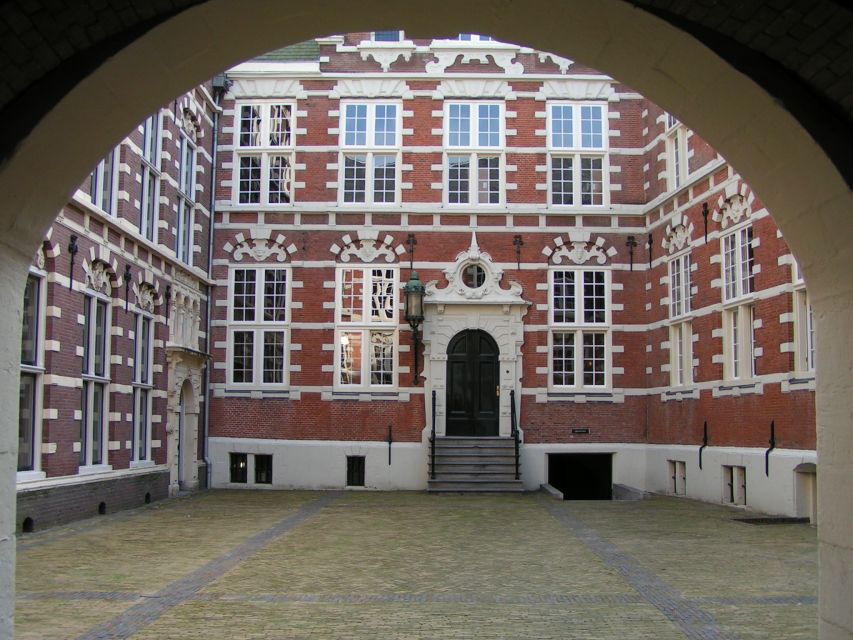
The Red Light District is included as part of the old city walk. You will pass through the area and hear about its place in Amsterdam, rather than treating it as a detached spectacle.
That distinction matters. The district is famous, but a quick look at its windows tells you very little about how the area developed or how it fits beside the Old Church and older streets. A guide can provide context while helping you move through respectfully.
Some people will find this part fascinating. Others may prefer to spend more time on architecture, the canals, or the Jewish District. Since this is a private tour, you can make your preferences clear. Families and mixed-age groups may also appreciate a straightforward explanation instead of a sensationalized visit.
The information provided does not promise entry into venues, private access, or a nightlife experience. Think of this as a guided walk through a historic district, with time for questions and observation.
Amsterdam’s world-power years in plain language
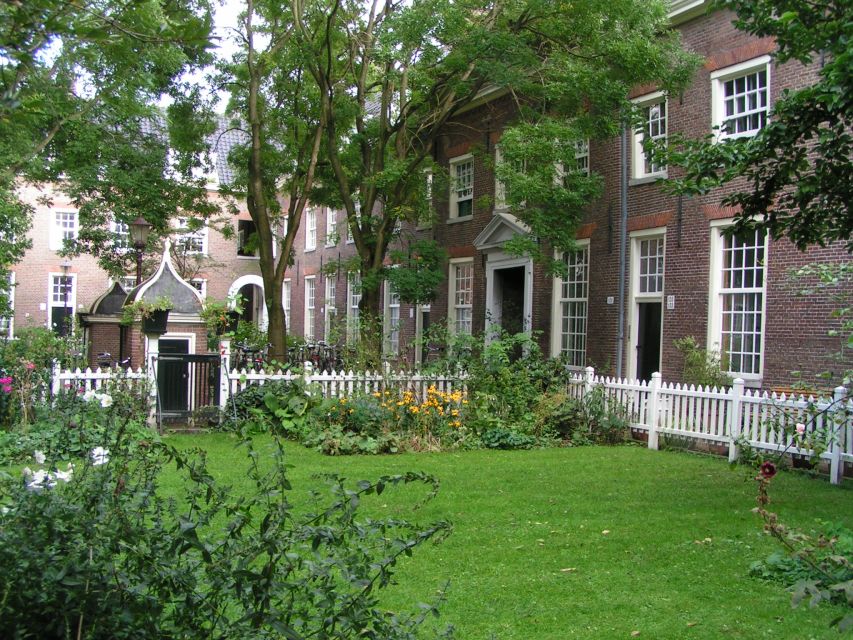
One of the strongest parts of the tour is the bridge between physical sights and larger events. The Oostindisch Huis, once the Amsterdam headquarters of the East India Company, offers a direct link to the city’s overseas trade and political power.
Seeing the building while hearing about its role is more useful than memorizing a date in a museum. You can connect Amsterdam’s wealth to the offices, canals, warehouses, and merchant homes around you. The guide also explains how the city became a major center for science and culture, not only commerce.
This historical framing should appeal to you if you enjoy architecture and history but do not want a lecture disconnected from the streets. The stated requirement is modest: an interest in those subjects is enough. You do not need specialist knowledge to follow the walk.
The balance is important. Amsterdam’s 17th-century success involved global trade and power, so the story is larger than attractive houses and clever engineering. The tour promises the city’s rise, but the precise treatment of difficult subjects will depend on the guide. Ask questions if you want more context about the human cost of that expansion.
What the private format really adds
The price is $265 per group of up to 10 people. A full group would bring the cost to $26.50 per person, which is reasonable for a private two-hour guide in a major European capital. For two or three people, the per-person price is much higher, but you are paying for privacy and flexibility rather than a basic shared walk.
I see the best value for families, couples traveling with friends, or small groups who want one guide to handle different interests. A group of eight can fit comfortably within the stated limit, and the private setup means you are not tied to strangers’ pace or questions.
The tour has a 4.6 rating from 33 reviews. The strongest pattern is clear: the walk is praised for being informative, authentic, and less restricted to the most obvious tourist corners. One German-speaking participant especially valued a guide who had lived through Amsterdam’s changes in the 1970s and could add personal perspective to the usual historical account.
That detail helps set expectations. The guide may offer more than textbook facts, including local stories and recent urban changes. The actual guide’s name is not provided, so you should not book expecting a particular person. You can choose English, Dutch, or German.
Timing, pace, and practical limits
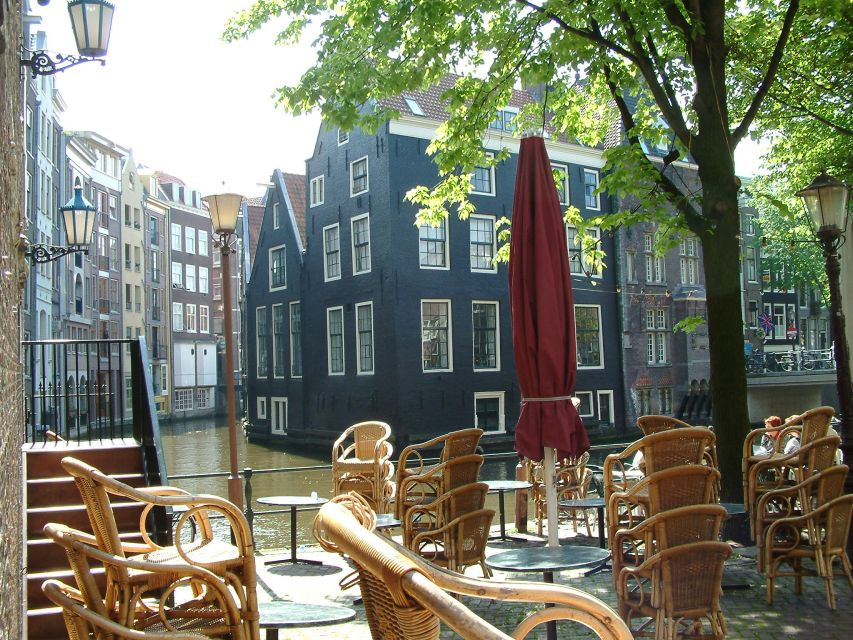
Two hours is a useful first look, not a complete Amsterdam experience. The route covers a lot: medieval streets, city walls, canals, the Oostindisch Huis, the Old Church, Begijnhof, Chinatown, Nieuwmarkt, the former Jewish District, the Red Light District, and possibly Jordaan highlights.
You will get the most from it if you arrive with one or two priorities. Tell the guide if you care most about architecture, Jewish Amsterdam, canal history, local changes, or the Red Light District. The walk is adapted to your wishes, but time still limits how much can be covered.
Wear comfortable walking shoes and keep your belongings light. Large bags and luggage are not allowed. Food and drinks are not included, so plan a café stop before or after the tour rather than expecting refreshments along the way.
The experience is wheelchair accessible, according to the activity details. Since this is an urban walk through historic areas, it is sensible to discuss your needs with the provider before departure if you require a particular route or pace. The available guide languages are English, Dutch, and German.
You can cancel up to 24 hours in advance for a full refund, and the reserve-now, pay-later option keeps your plans flexible. Starting times vary, so you need to check availability for the date you want.
Who should book this Amsterdam walk?
I would choose this tour if you are visiting Amsterdam for the first time and want a quick framework for the center. It is also a good fit if you have already seen the main canals and want a guide to connect them with less obvious passages, neighborhoods, and historical subjects.
History fans should appreciate the range. You move from medieval foundations to 17th-century trade, from the East India Company to Jewish Amsterdam, and from old women’s homes to modern urban change. Architecture fans get merchant houses, canals, churches, passages, and old commercial buildings.
It is less suitable if you want long museum visits, a relaxed café-centered outing, or a single-topic tour. The Red Light District, Begijnhof, and Jewish District each deserve more than a few minutes, but this experience spreads its attention across the city.
Should you book it?
Book this private walk if you want a smart orientation with local detail, especially if your group can share the $265 cost. Its best feature is not one single sight. It is the way the guide links Amsterdam’s canals, old neighborhoods, trade offices, churches, and social history in a short span.
Skip it if you already know central Amsterdam well or want a specialist tour focused on one district. Otherwise, it is a practical first-day choice. Ask for emphasis on your top interest, leave your luggage behind, and treat the two hours as a well-guided introduction that helps you decide where to return on your own.
FAQ
Where does the Amsterdam Old City Private Walking Tour meet?
The meeting point is in front of the main entrance of Amsterdam Central Station.
How long does the walking tour last?
The tour lasts two hours.
How much does the private tour cost?
The price is $265 per private group of up to 10 people.
Is the tour shared with other groups?
No. It is a private group experience.
Which languages are available?
Live guides are available in English, Dutch, and German.
What places can the tour include?
The walk can include Amsterdam’s medieval center, parts of the old city wall, the Old Church, hidden churches, Oude Manshuispoort, the Begijnhof, Chinatown, Nieuwmarkt, the former Jewish District, the Red Light District, the Herengracht, and parts of the Jordaan.
Is the walking tour wheelchair accessible?
Yes, the activity is listed as wheelchair accessible.
Can I bring luggage or a large bag?
No. Luggage and large bags are not allowed.
What is included in the price?
The price includes the two-hour walking tour, a guide, and VAT. Food and drinks are not included.
Just added around Amsterdam
- Amsterdam: Food and Canal Tour★ 4.6 · 22 reviews
- Segway City Tours Amsterdam★ 4.3 · 23 reviews
- Amsterdam Canal Cruise in Classic Salon Boat With Drinks and Cheese★ 4.0 · 22 reviews
- Discover Deventer with an Outside Escape city game tour!★ 4.5 · 23 reviews
- Historical Walking Tour, private with local Dutch guide★ 5.0 · 23 reviews
- Utrecht Food Tour on a Bicycle with local guide★ 5.0 · 23 reviews
- Giethoorn Day Trip from Amsterdam With Cruise and Cheeseplatter★ 5.0 · 23 reviews
- Amsterdam: Captain For a Day 2-Hour Boat Rental★ 4.9 · 23 reviews
Walking Tours in Amsterdam, compared.
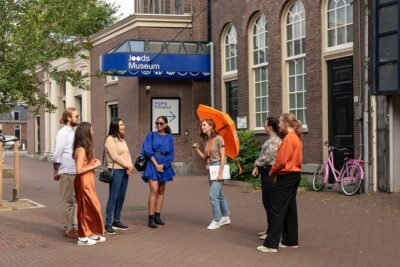
Anne Frank’s Story – Guided Walking Tour through Amsterdam
Read our review →
Life of Anne Frank and World War II Walking Tour
Read our review →
Absolutely Amsterdam – the Essential Introductory Walking Tour
Read our review →

Anne Frank Walking Tour – Guided in EN/DE/IT/ES
Read our review →
Anne Frank Walking Tour Amsterdam Including Jewish Cultural Quarter
Read our review →Browse the lists this tour appears in