
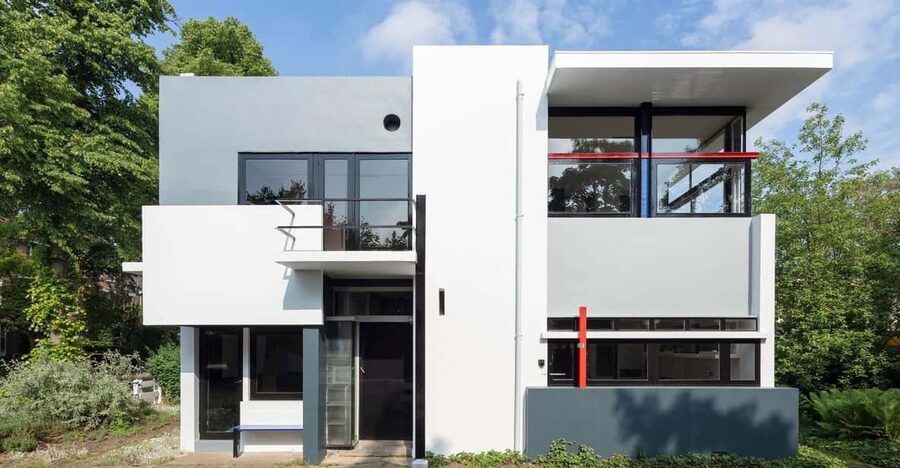
Reviewed · ENTRY TICKETS IN UTRECHT
Utrecht: Rietveld Schröderhuis UNESCO Entry Ticket
The Rietveld Schröder House is not a grand palace. It is a compact home that changed how people thought about living space. Built in 1924 for Truus Schröder, it uses sliding walls, movable furniture, and bold geometric lines to make one floor serve several purposes. I like that you do not just look at the architecture from outside. You go inside and see the ideas working around you.
I also like the short, focused visit and the choice of eight audio-tour languages. The stories explain Rietveld’s ideas and Schröder’s role, rather than treating the house as the work of one famous man. The main drawback is practical: the house is not suitable for wheelchair users or people with mobility impairments, and 40 minutes is brief if you want a slow, highly detailed architectural study.
In This Review
- Key points
- Why This Small Utrecht House Matters
- Starting at the Ticket Office
- The Ground Floor and the People Behind the Design
- Upstairs, Where the Walls Start Moving
- Seeing De Stijl as a Living Idea
- What the 40-Minute Visit Feels Like
- Is $22 a Fair Price?
- Who Should Book This Experience?
- Booking Tips and Small Practical Details
- Should You Book the Rietveld Schröder House?
- FAQ
- How long does a visit to the Rietveld Schröder House take?
- What is included with the ticket?
- Which languages are available for the audio tour?
- Do I need to bring headphones?
- Where do I check in?
- Is the house accessible to wheelchair users?
Key points
- 1924 home for Truus Schröder: See the first residence designed by Gerrit Rietveld, at the beginning of his architectural career.
- Moving architecture upstairs: Watch sliding walls and movable furniture change the layout of the living spaces.
- A UNESCO World Heritage site: The house has held this status since 2000 and is a major work of the Dutch De Stijl movement.
- A self-guided visit: Use the supplied media player, or scan a QR code to follow the tour on your own device.
- Eight audio languages: Dutch, English, German, French, Spanish, Italian, Japanese, and Chinese are available.
- A compact 30 to 40 minutes: This fits neatly into a Utrecht day, though it leaves little time for lingering.
Why This Small Utrecht House Matters
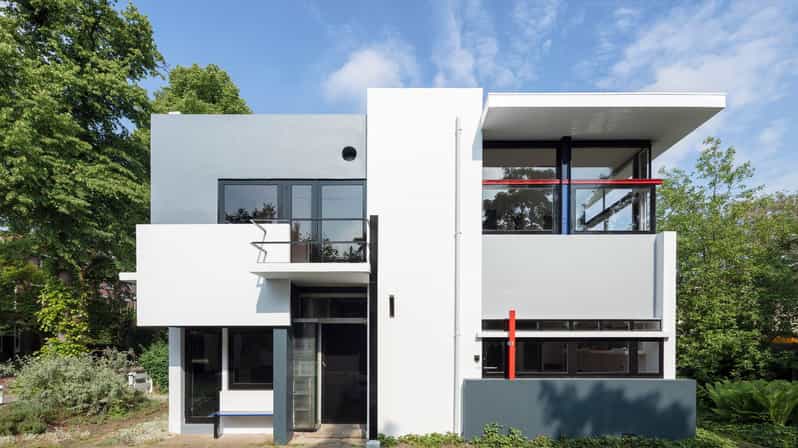
The Rietveld Schröder House is important because it turns modern design into something you can test with your own eyes. Many architectural ideas look impressive in drawings but feel abstract in person. Here, the changes are physical. Walls slide, furniture moves, and rooms can be opened or divided according to the needs of the people living there.
Gerrit Rietveld designed the house for Truus Schröder in 1924. It was his first residence design and helped launch his career as an architect. Schröder was not simply a client who approved plans. Her vision for a different kind of home shaped the project, and the audio tour brings attention to both people.
The house belongs to the De Stijl movement, known for clear geometric forms, strong lines, and a disciplined use of color. You do not need to arrive with a background in art or architecture. The audio explanations provide enough context to help you notice why the house looks and works differently from an ordinary home.
The building became a UNESCO World Heritage site in 2000. That title matters here because the house is not only an attractive historic property. It represents a major shift in modern architecture and domestic life. You are looking at a place designed to question the fixed room, the fixed wall, and even the fixed purpose of furniture.
More Entry Tickets in Utrecht
- Utrecht: De Haar Castle & Park Entry Ticket
★ 4.7 · 1,350 reviews - Utrecht: DOMunder Entry Ticket with Guide
★ 4.4 · 706 reviews - Utrecht: Dom Tower Entry Ticket and Guided Tour
★ 4.6 · 513 reviews
Starting at the Ticket Office
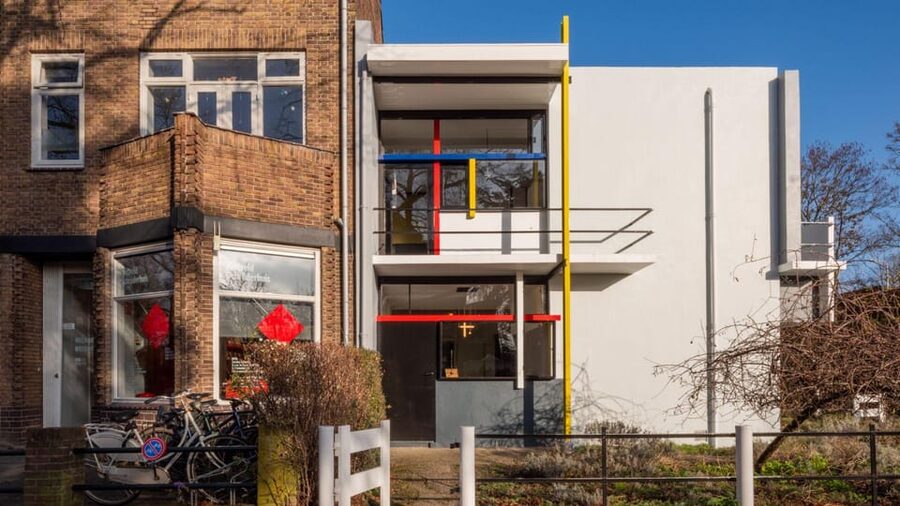
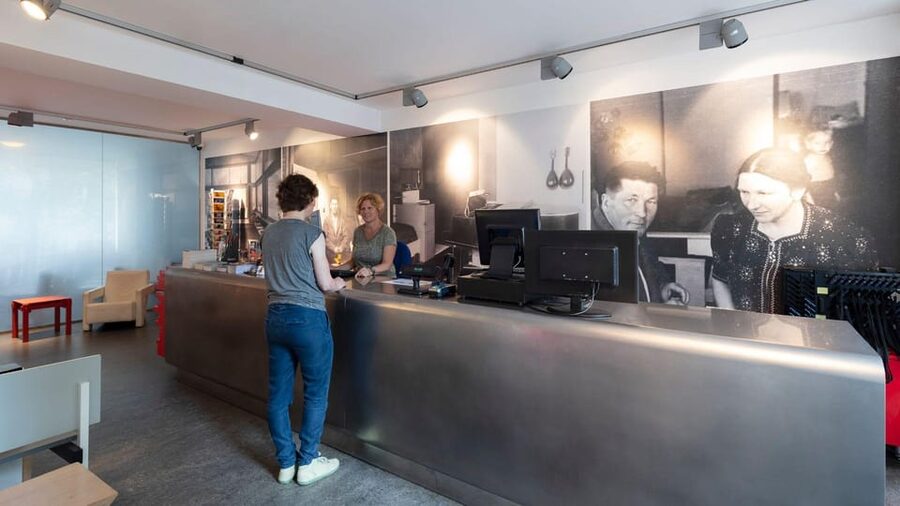
Your visit begins at the ticket office to the left of the Rietveld Schröder House. Check in there before entering. The house is in Utrecht Province, making it a practical addition to a day spent exploring Utrecht.
At the desk, you receive a media player for the self-guided audio tour. You do not need a separate headset because the device has built-in speakers. If you prefer a more private listening experience, you can connect your own headset with a mini-jack connection.
You can also use your own device. Scan the QR code at the ticket desk, bring headphones, and follow the tour from your phone. This option may appeal to you if you prefer not to handle an extra device or want to use equipment you already know.
The audio is available in Dutch, English, German, French, Italian, Spanish, Japanese, and Mandarin Chinese. That range is useful in a house where the visual details can be easy to miss. A good audio guide tells you what to look for before you move on, helping the short visit feel purposeful.
The Ground Floor and the People Behind the Design
The tour introduces Gerrit Rietveld and Truus Schröder as the two central figures behind the house. That balance is one of the experience’s strengths. Rietveld supplied the architectural skill, but Schröder’s ideas about how a home should function were essential to the result.
As you move through the rooms, the audio commentary explains what it was like to live in this unusual house. The visit is not only about lines, colors, and construction. It also asks you to think about daily routines and how the design could adapt to them.
This is where the house becomes more than a display of early modern architecture. A conventional home tends to assign each room one main job. The Rietveld Schröder House questions that arrangement. Its spaces can be adjusted, opened up, or divided, allowing the household to change the setting as the day changes.
I find this easier to understand inside the house than in a photograph. From outside, the building can look like an abstract composition. Inside, the practical purpose of the design becomes clearer. The clean forms are not decoration added after the fact. They are part of a plan for flexible living.
The visit is self-guided, so you set your own pace within the scheduled entry. That gives you freedom to listen carefully or move along when a section is complete. It also means you do not have a live guide available to answer an unexpected question, so visitors who prefer conversation may find the format less satisfying.
Upstairs, Where the Walls Start Moving
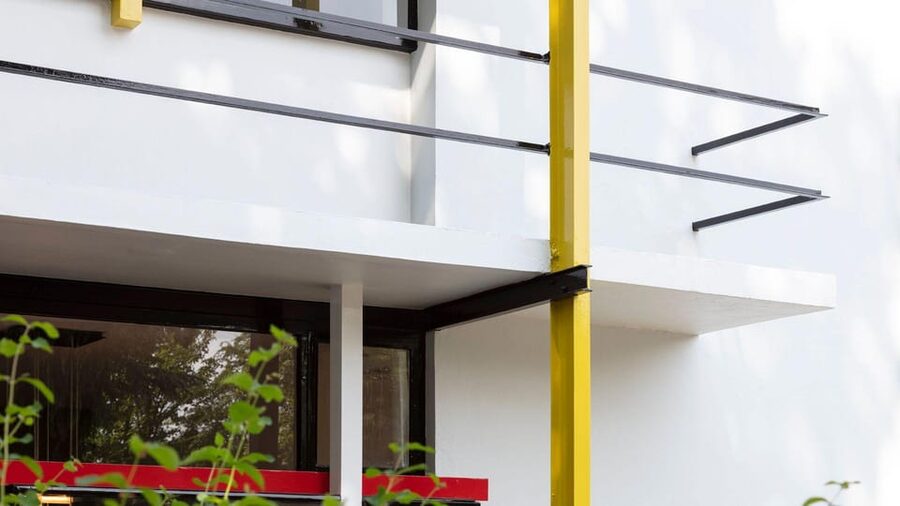
The upstairs area is the main event. This is where you can see a demonstration of the sliding walls and movable furniture. These features transform the living spaces, allowing the floor to serve different purposes.
The idea is simple to describe but more striking to watch. A room need not remain permanently open or permanently divided. The arrangement can respond to the household’s needs. That makes the house feel like a working machine for daily life, not just a fixed architectural object.
The demonstration gives the visit its clearest practical lesson. You see how design can guide behavior without relying on heavy decoration or extra space. A wall is no longer only a boundary. Furniture is no longer only something placed in a room. Both become active parts of the house.
I recommend paying close attention upstairs, even if you are more interested in art than architecture. The moving parts explain the house quickly. They show why this building mattered when it was created and why it remains relevant to discussions about flexible homes.
There is a tradeoff. The visit lasts about 30 to 40 minutes, so you will not have unlimited time to study every surface or listen to every section twice. If you are an architecture enthusiast, you may wish the schedule allowed a longer examination. For most people, though, the compact format keeps the visit clear and manageable.
A few more Utrecht half-days to weigh up
- Utrecht: City Canal Cruise
★ 4.3 · 2,895 reviews - Utrecht: De Haar Castle, Park Entry Ticket
★ 4.6 · 153 reviews - Utrecht 2-Hour Walking Tour | Discover The City With A Local
★ 5.0 · 138 reviews - Utrecht Food Tour with local guide
★ 5.0 · 112 reviews
Seeing De Stijl as a Living Idea
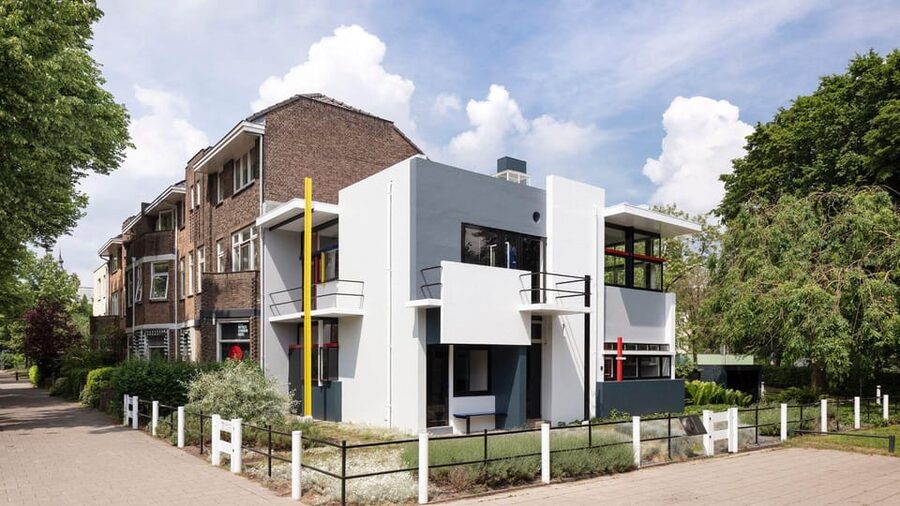
De Stijl is often reduced to a visual formula: straight lines, geometric blocks, and a limited palette. The Rietveld Schröder House lets you see the movement as a way of organizing life, not simply a style for paintings or furniture.
The design pushes against the heavy, fixed interiors common before the modern movement. The house favors openness, adjustment, and visual order. Its parts relate to one another through lines and planes, but the spaces can also change when the walls and furnishings move.
That combination is what makes the building memorable. You are not standing in a room that only looks modern. You are seeing an early attempt to make modern life itself more flexible. The design asks how much space a person needs, how rooms should be used, and how a home can adapt rather than dictate.
The audio tour adds historical context and personal stories. These details help connect the bold design to the people who lived with it. A house can be famous and still feel remote. Personal anecdotes give you a better sense of the human choices behind the unusual layout.
You should also pay attention to the contrast between the house’s strict visual order and its changing interior arrangement. The lines may appear controlled, but the plan allows movement and choice. That tension is central to the experience.
What the 40-Minute Visit Feels Like
A 40-minute duration is useful if you are building a full day in Utrecht. It is long enough to cover the essential rooms, hear the main explanations, and see the moving features. It is short enough to fit between other appointments without taking over your schedule.
The visit is best approached as a concentrated architectural experience. You are not coming for a large museum collection, a café stop, or a long walking tour. Food and drinks are not included, and there is no pickup or drop-off service. The focus stays firmly on the house.
That narrow focus is a benefit if you want one strong cultural stop rather than another broad museum visit. It is less ideal if you prefer a slow, open-ended attraction where you can wander for several hours.
The audio format works well for independent visitors. You can listen in your preferred language and move through the house without following a live group. The supplied player has built-in speakers, while your own headphones can be used through the mini-jack connection. If you use the QR option, remember to bring headphones.
I would allow a little extra time around the scheduled visit, even though the house itself takes no more than 40 minutes. The information provided confirms the tour length, but not how much time you may need to check in or browse the museum shop. The shop offers unique products and souvenirs, making it a useful final stop if you want a physical reminder of the visit.
Is $22 a Fair Price?
At $22 per person, this is not an all-day attraction, so the value depends on what you want from a ticket. If you measure value only by minutes, the price may feel high for a 30 to 40-minute visit. If you value access to a UNESCO World Heritage home and a focused explanation of a major modern design, the cost is easier to justify.
The ticket includes entrance and the audio tour. That matters because the audio commentary supplies much of the context needed to understand the house. Without explanation, you could admire the shapes and still miss the argument the building is making about modern living.
I consider the price reasonable for visitors with a real interest in architecture, design, or Dutch cultural history. It is also a good choice if you want an experience that differs from Utrecht’s more familiar historic sights. The house offers a close look at a single, carefully designed place rather than a broad collection.
For casual sightseeing, I would think about your priorities. If your schedule is tight and you are choosing between several paid attractions, this visit works best when you already enjoy buildings and design. If the subject interests you even a little, the moving walls and changing rooms give the ticket more substance than a simple exterior viewing.
The strong overall rating of 4.8 from 119 reviews supports the idea that the format works for many people. A verified German booking from February 2026 described the visit as interesting and very good, with no suggested improvements. That fits my practical assessment: the experience has a clear purpose and delivers it without extra padding.
Who Should Book This Experience?
I would recommend the Rietveld Schröder House to anyone interested in modern architecture, De Stijl, interior design, or the history of the modern home. It also suits visitors who prefer a short cultural visit with a clear beginning and end.
Families with older children may find the moving walls and furniture easier to appreciate than a static historic interior. The house invites a practical question: how would you arrange your own home if the rooms could change shape? The activity is not specifically described as child-focused, so parents should decide based on their children’s interest in architecture.
The audio options make the visit accessible to a wide range of international visitors. You can choose from eight languages, and the ability to use your own device may be convenient if you want your own headphones.
I would not choose it if you need wheelchair access or have significant mobility limitations. The activity is listed as unsuitable for people with mobility impairments and wheelchair users. It is also not suitable for babies under one year old.
Booking Tips and Small Practical Details
You can cancel up to 24 hours in advance for a full refund, and the reserve-now, pay-later option keeps your plans flexible. Starting times depend on availability, so check the schedule before building the rest of your Utrecht day around the visit.
The meeting point is specific: check in at the ticket office to the left of the house. Do not assume you can walk straight to the entrance without stopping at the desk, since that is where you receive the media player or scan the QR code.
If you want to use your own headphones, bring a pair with a mini-jack connection for the supplied player. For the QR-code option, bring headphones suited to your own phone. The device has a speaker, so headphones are optional, but they can make it easier to concentrate.
The museum shop is another small plus. It carries unique products and souvenirs connected with the house and its design. I would save a few minutes at the end if you enjoy taking home something more distinctive than a standard postcard.
Should You Book the Rietveld Schröder House?
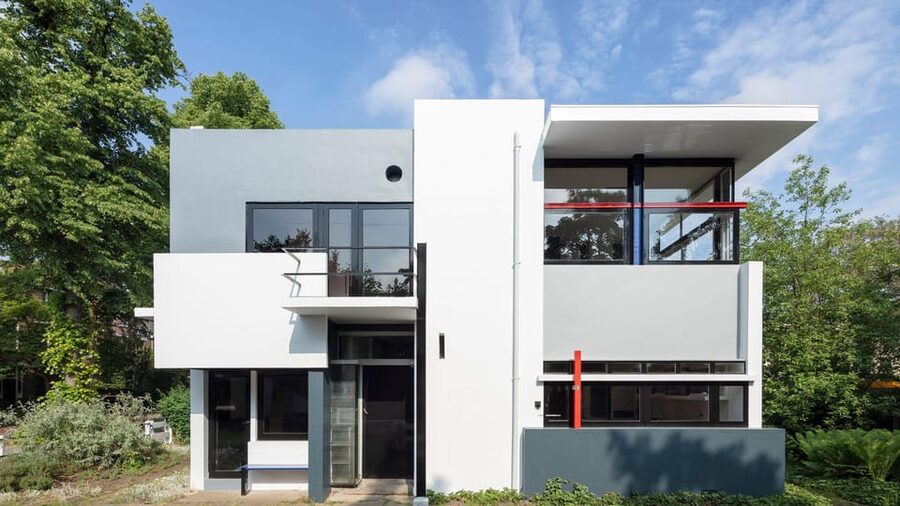
Book it if you want to see modern architecture working in real life, not just read about it. The sliding walls, movable furniture, audio stories, and connection between Rietveld and Schröder give the 1924 house a clear point beyond its famous appearance.
Skip it if you want a long museum visit, a live guide, or an attraction suited to wheelchair users. At $22 for 30 to 40 minutes, it is a focused purchase rather than a bargain-priced filler activity.
For the right visitor, the short length is part of the appeal. You get one memorable idea, explained through one remarkable home: a living space does not have to remain fixed.
FAQ
How long does a visit to the Rietveld Schröder House take?
The visit takes approximately 30 to 40 minutes.
What is included with the ticket?
The ticket includes entrance to the Rietveld Schröder House and an audio tour.
Which languages are available for the audio tour?
The audio tour is available in Dutch, English, German, French, Spanish, Italian, Japanese, and Chinese.
Do I need to bring headphones?
No. The supplied media player has built-in speakers. You can connect your own headset if it has a mini-jack connection, or use your own device by scanning the QR code at the ticket desk. Bring headphones if you choose the QR-code option.
Where do I check in?
Check in at the ticket office to the left of the Rietveld Schröder House.
Is the house accessible to wheelchair users?
No. The activity is not suitable for wheelchair users or people with mobility impairments. It is also not suitable for babies under one year old.
Just added around Utrecht
- Utrecht Food Tour on a Bicycle with local guide★ 5.0 · 23 reviews
- e-Scavenger hunt Utrecht: Explore the city at your own pace★ 4.5 · 28 reviews
- Utrecht Quiz Tour★ 3.2 · 31 reviews
- Discover Our Utrecht: Limited Group Size & Optional Extras★ 5.0 · 32 reviews
- Utrecht: Lofen Palace with Entry Ticket & Guide (Dutch)★ 4.4 · 41 reviews
- From Amsterdam: Castle De Haar Guided Tour★ 4.7 · 41 reviews
- Utrecht: Ludwig’s Original Pub Crawl with VIP Club Entry★ 3.3 · 42 reviews
- Utrecht: Museum Speelklok Entry Ticket★ 4.5 · 48 reviews
Entry Tickets in Utrecht, compared.
Browse the lists this tour appears in