
Reviewed · MUSEUMS
Utrecht: Museum Speelklok Entry Ticket
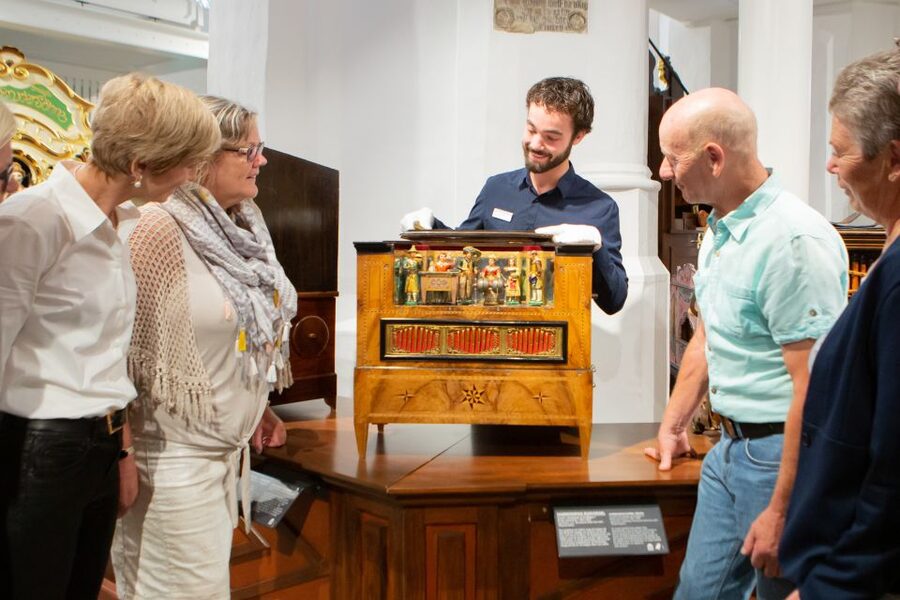
At Utrecht’s Museum Speelklok, music comes from machines that look as if they belong in a storybook. A small music box, a musical clock, a self-playing orchestra, and a giant Dutch street organ all show how people made music before modern electronics. The sound is the main event, not just the display case.
I like the live demonstrations, since hearing a century-old mechanism work tells you far more than a label can. I also like the hourly English and Dutch tour, which adds the stories and technical detail behind instruments such as the Arabier street organ and the Violina.
The main consideration is pace. One Dutch visitor found the museum fun but easy to see quickly, while another wished for more seats during some presentations. If you want a long museum visit, this may feel compact. If unusual machines and live music appeal to you, the $20 ticket offers a memorable stop.
In This Review
- Key points to know before you go
- Why mechanical music is the star of the visit
- The hourly tour adds the missing story
- From music boxes to Dutch street organs
- The Museum Expedition makes the visit easier to follow
- A $20 ticket: good value for the right kind of visitor
- Who will enjoy Museum Speelklok most
- Timing, language, and flexible booking
- Should you book Museum Speelklok?
- FAQ
- Where is Museum Speelklok?
- What does the ticket include?
- How much does entry cost?
- How long does the activity last?
- Are guided tours available?
- What languages are offered?
- What can I see at the museum?
- Which notable instruments are mentioned?
- Is the museum wheelchair accessible?
- Can I bring food or drinks inside?
Key points to know before you go
- Hear the machines perform: The visit includes live music from mechanical instruments more than a century old.
- Look for the Arabier and Violina: These are two of the museum’s most notable instruments, with the Violina described as the so-called 8th world wonder.
- Join the hourly tour: Free tours are conducted in English and Dutch and explain the history, craft, and mechanics behind the collection.
- Expect a family-friendly museum: The Museum Expedition combines stories, technology, and music, with opportunities to learn through the instruments.
- Plan for standing: Some presentations do not have seats, so comfortable shoes and a little patience will help.
- Use the flexible booking terms: You can cancel up to 24 hours ahead for a full refund and reserve now while paying later.
Why mechanical music is the star of the visit
Museum Speelklok is not simply a room full of old objects. It is a place where the exhibits make their own sound. That difference matters. You do not just look at a wooden cabinet or a row of pipes. You hear the gears, pins, rolls, pipes, and other parts produce music with no performer seated at a keyboard.
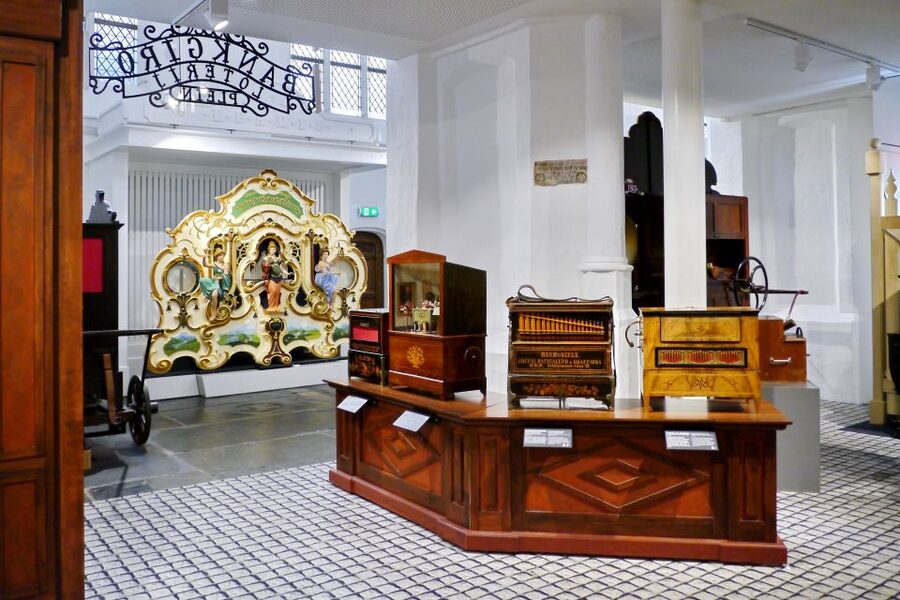
The collection covers a wide range of machines. At one end, you may hear a small music box with a delicate, precise sound. At the other, a large barrel organ can fill the room with a much bigger performance. Between those extremes are musical clocks, orchestrions, self-playing orchestras, and traditional Dutch street organs.
I find that range useful because it gives you a clear sense of scale. A music box shows how much sound can come from a tiny mechanism. A street organ shows how mechanical music once carried beyond a concert hall and into public life. The machines also make technology easier to understand. You can connect the sound you hear with the physical system producing it.
The best part is that the collection does not treat music and engineering as separate subjects. The music is the proof that the craftsmanship worked. When a machine performs, you can appreciate both the tune and the careful restoration needed to keep the instrument functioning.
More Entry Tickets in Utrecht
- Utrecht: De Haar Castle & Park Entry Ticket
★ 4.7 · 1,350 reviews - Utrecht: DOMunder Entry Ticket with Guide
★ 4.4 · 706 reviews - Utrecht: Dom Tower Entry Ticket and Guided Tour
★ 4.6 · 513 reviews
The hourly tour adds the missing story
Your entry includes a museum tour, and the free guided tour runs every hour in Dutch and English. This is worth fitting into your visit. The displays may catch your eye, but the guide helps explain what makes each instrument special and how the mechanisms create music.
The tour covers the history of the instruments as well as their technical construction. You can expect the presentation to focus on the magical stories connected to the machines, the work involved in restoring them, and the music they produce. An English-speaking guide is available, and the host or greeter languages are English and Dutch.
A guided presentation is especially useful here because many of the details are hidden inside the cabinets. You may see decorated wood, pipes, drums, rolls, or keys, but the important action takes place in the mechanism. The guide gives you a reason to look closer and helps turn a curious object into a working piece of musical technology.
One practical point: the tour is not a private appointment. The schedule is hourly, so check the available start times when you book or arrive. If you walk in just after a tour begins, you may need to wait for the next one. That is not a major problem, but it is worth planning around if your day in Utrecht is tightly timed.
From music boxes to Dutch street organs
The collection’s range is its strongest feature. Small music boxes make a good starting point because their idea is easy to grasp: a compact mechanism creates a tune. Their size can be misleading, though. These instruments depend on careful construction, and their sound gives you an immediate sense of how much work can be packed into a small object.
Musical clocks add another layer. They combine timekeeping with performance, turning an everyday object into an instrument. You can see how mechanical systems once served more than one purpose, providing both a practical function and a bit of entertainment.
The orchestrions are likely to attract anyone who wonders how a machine can imitate a full ensemble. These self-playing orchestras show the ambition of mechanical music makers. Instead of producing a single simple line, they were designed to create a fuller musical effect through coordinated parts.
Then come the traditional Dutch street organs. These instruments connect the collection to public music and local culture. The famous Arabier is one of the names to seek out. Its presence gives the visit a distinctly Dutch character, rather than making the museum feel like a general collection of European curiosities.
The Violina is another highlight. It is described as the so-called 8th world wonder, a playful title that signals how unusual and ambitious the instrument is. You do not need to be an expert in music machines to appreciate it. The point is seeing how far makers pushed mechanical performance.
The Museum Expedition makes the visit easier to follow
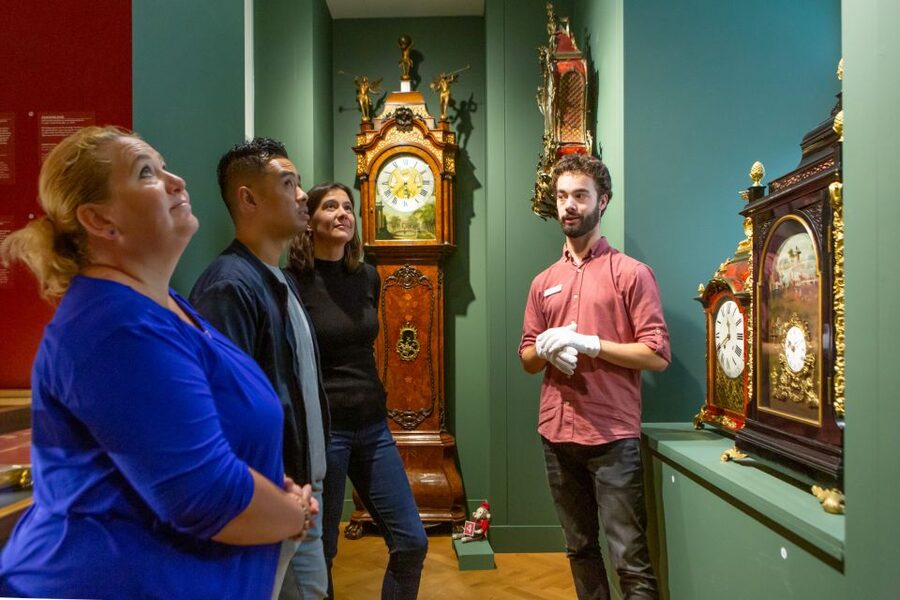
The Museum Expedition is the part of the visit designed to connect the machines through stories, craftsmanship, and sound. This matters if you arrive without much background. Instead of seeing unrelated instruments, you get a path through the collection and a clearer idea of how each machine fits into the wider story of music technology.
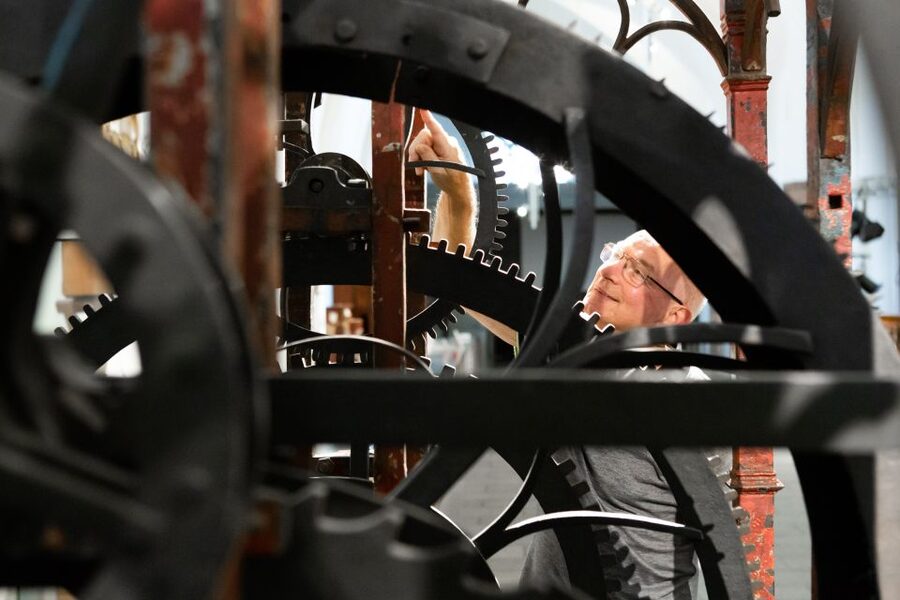
I would pay attention to the restoration work. These are not disposable gadgets. They are precious objects that must be kept in working order so future audiences can hear them. The museum’s focus on restoration gives you a better understanding of why the instruments are valuable, beyond their age or decoration.
The hands-on element can also help younger visitors. One child-friendly detail mentioned in the visit is the chance to feel certain things during the presentation. That small touch makes the mechanics less abstract. You are not limited to looking at a sealed display and reading a label.
Still, the presentation style may not suit everyone. One Dutch visitor found the visit enjoyable but felt they had seen it quickly. That suggests the museum works best as a focused cultural stop rather than an all-day attraction packed with separate rooms and activities. The ticket is listed for one day, but your actual time inside will depend on how closely you listen to the tour and demonstrations.
More museums and galleries in Utrecht:
- Utrecht: Centraal Museum Entrance Ticket
★ 4.4 · 72 reviews - Amsterdam: Van Gogh Museum Ticket
★ 4.7 · 52,054 reviews - Moco Museum Amsterdam Entrance Tickets with Banksy & More
★ 4.4 · 10,088 reviews - Amsterdam: The Upside Down Museum Entrance Ticket
★ 4.4 · 9,506 reviews
A $20 ticket: good value for the right kind of visitor
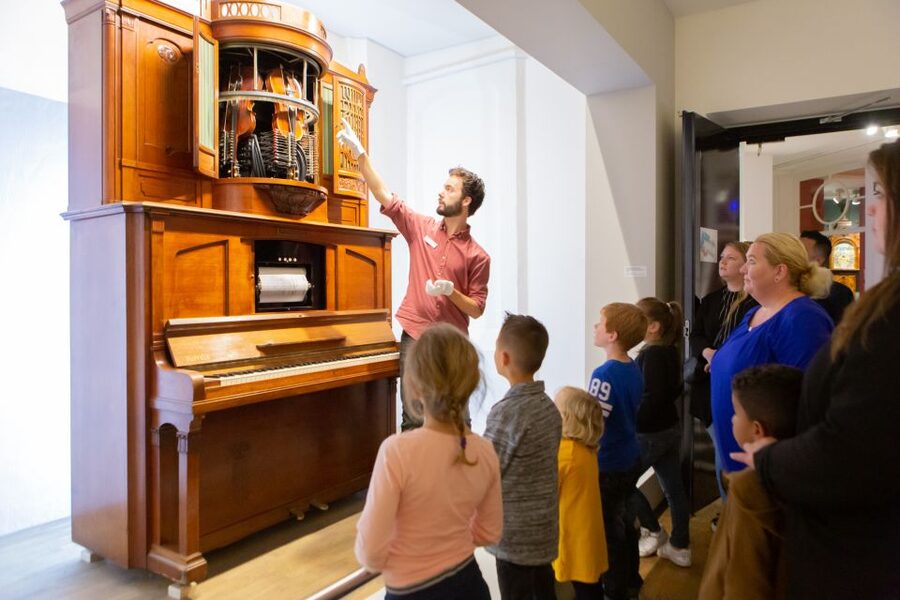
At $20 per person, the ticket is not a throwaway purchase, so I would judge its value by your interest in unusual museums. The price includes entrance and the museum tour, with no extra charge for the hourly guided presentation. You are paying for access to machines that perform, not only for static exhibits.
That makes the ticket a fair choice for people who enjoy music, engineering, historic technology, or odd corners of Dutch culture. Families can also get good value from it because the visit combines sound, stories, and physical mechanisms. It offers more variety than a standard display of paintings, though it is less suitable if you want a quiet art museum.
The value drops if you expect a long, self-paced attraction with a large number of separate activities. The museum can be seen quickly, and some presentations may leave you standing. If you have limited time in Utrecht, that shorter format can actually be helpful. You can fit the museum into a day of sightseeing without committing to a half-day excursion.
Food and drinks are not allowed inside, and they are not included. Transportation is also not included, so you will need to arrange your own way to the museum in Utrecht. No transport package is part of this ticket.
Who will enjoy Museum Speelklok most
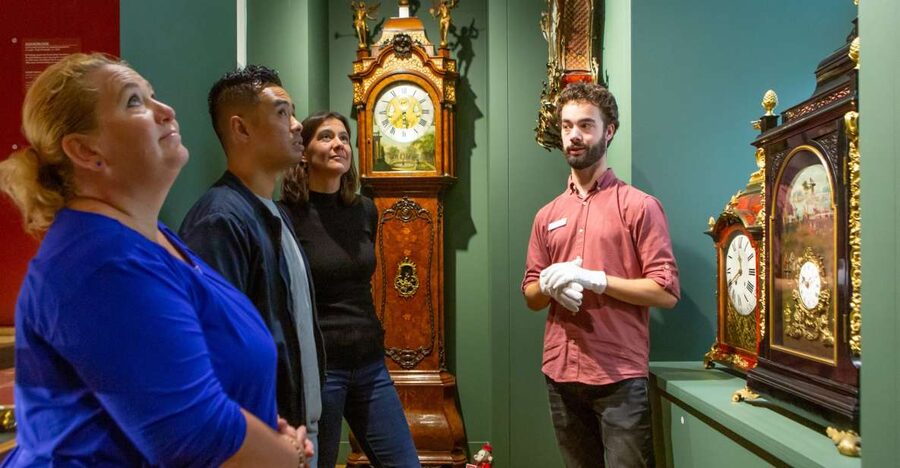
I would recommend this museum to families, curious adults, music fans, and anyone who enjoys seeing how older technology solved problems in clever ways. The live sound gives the visit energy, and the machines are unusual enough to hold attention even if you know little about their history.
It is also a good choice for a rainy day or for a break from larger, more formal museums. The hourly English tour removes much of the language barrier, and the Dutch tour gives local visitors a natural option. A guide described in one booking as sympathetic and enthusiastic, while another presentation was praised as informative and entertaining. You should expect a friendly, active explanation rather than a silent walk through cases.
I would be more cautious if you need frequent seating, dislike mechanical music, or want a large museum with hours of material. The lack of seats at some presentations is a real practical point. The museum is wheelchair accessible, which helps make the visit possible for more people, but the supplied information does not specify seating arrangements or every feature of the building, so you may want to confirm details if you have specific mobility needs.
Timing, language, and flexible booking
The activity is listed with a duration of one day, and availability determines the starting times. Since free tours run every hour, you have some flexibility, but you should still check the schedule before setting this between other Utrecht plans.
The tour is offered in English and Dutch. If you want the English presentation, confirm the available time when you arrive or reserve. The ticket includes the museum tour, so you do not need to budget separately for that part.
You can cancel up to 24 hours in advance for a full refund. The reserve-now, pay-later option is useful if your Dutch itinerary is still shifting. It lets you hold the activity without paying at once, though you should still check the booking terms shown for your chosen date.
The museum does not include food, drinks, or transportation. Keep those needs outside the visit, and allow enough time to reach the museum on your own.
Should you book Museum Speelklok?
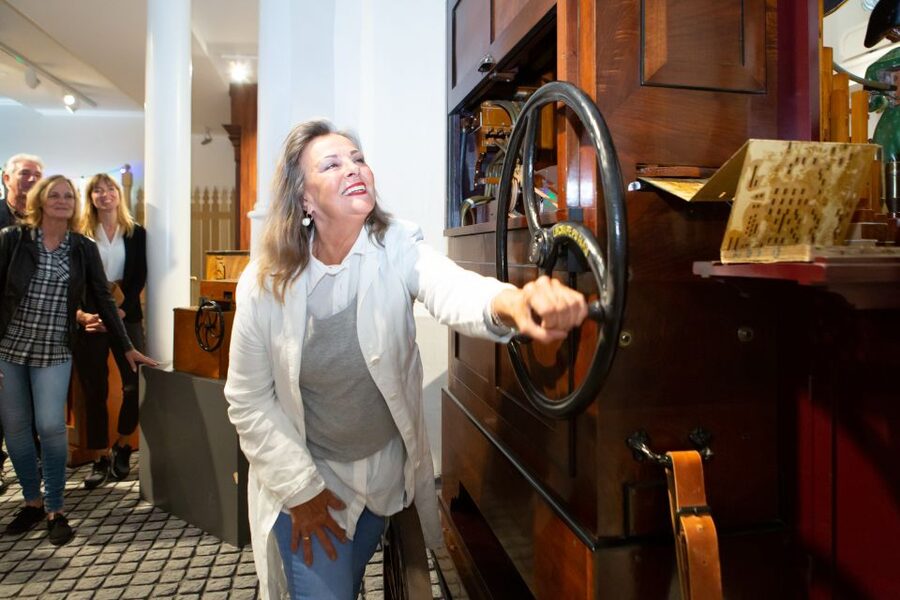
Book it if you want a distinctive Utrecht experience built around sound, craft, and old technology. The Arabier, Violina, street organs, orchestrions, musical clocks, and tiny music boxes give the visit a strong sense of place and plenty to listen for. The hourly English or Dutch tour adds useful context at no extra cost.
Skip it if you want a long museum day, guaranteed seating during every presentation, or a conventional art collection. For most visitors who like unusual sights, the $20 price is reasonable because the machines actually perform, and the museum gives you access to a side of Dutch culture that you will not find in a standard city walk.
FAQ
Where is Museum Speelklok?
Museum Speelklok is in Utrecht Province in the Netherlands.
What does the ticket include?
The ticket includes entrance to Museum Speelklok and a museum tour.
How much does entry cost?
The listed price is $20 per person.
How long does the activity last?
The activity is listed with a duration of one day. Check availability for the starting times.
Are guided tours available?
Yes. You can join a free guided tour conducted every hour.
What languages are offered?
The tours and hosting are available in English and Dutch.
What can I see at the museum?
You can see musical clocks, music boxes, orchestrions, self-playing orchestras, Dutch street organs, and other mechanical music machines.
Which notable instruments are mentioned?
The Arabier street organ and the Violina are two notable instruments. The Violina is described as the so-called 8th world wonder.
Is the museum wheelchair accessible?
Yes, the activity information states that the museum is wheelchair accessible.
Can I bring food or drinks inside?
No. Food and drinks are not allowed, and they are not included with the ticket.
Just added around Utrecht
- Utrecht Food Tour on a Bicycle with local guide★ 5.0 · 23 reviews
- e-Scavenger hunt Utrecht: Explore the city at your own pace★ 4.5 · 28 reviews
- Utrecht Quiz Tour★ 3.2 · 31 reviews
- Discover Our Utrecht: Limited Group Size & Optional Extras★ 5.0 · 32 reviews
- Utrecht: Lofen Palace with Entry Ticket & Guide (Dutch)★ 4.4 · 41 reviews
- From Amsterdam: Castle De Haar Guided Tour★ 4.7 · 41 reviews
- Utrecht: Ludwig’s Original Pub Crawl with VIP Club Entry★ 3.3 · 42 reviews
- Discover Utrecht with a self-guided Outside Escape city game tour★ 4.5 · 51 reviews
Museums, compared.

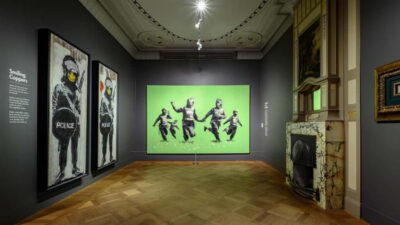
Moco Museum Amsterdam Entrance Tickets with Banksy & More
Read our review →


Amsterdam’s Weirdest Museum: Believe It or Not!
Read our review →

Browse the lists this tour appears in