
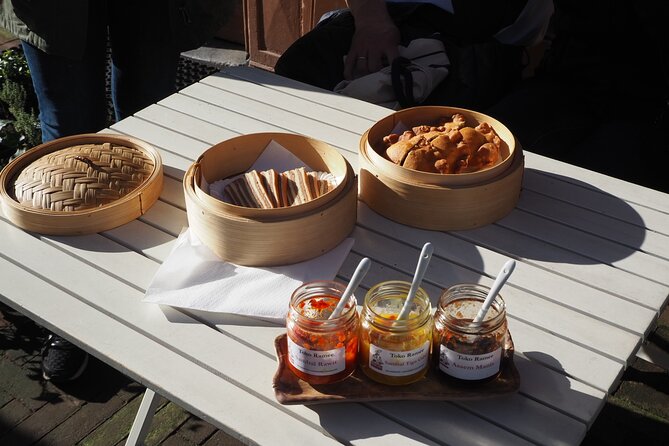
Reviewed · AMSTERDAM FOOD TOURS
Guided Walking Street Food Tour of De Pijp & Beyond
Amsterdam makes more sense when you eat it one small bite at a time. This De Pijp food walk takes you through Albert Cuyp Market and nearby streets for herring, stroopwafels, kroketten, Indonesian and Surinamese specialties, and newer treats such as Japanese sandos.
I like the small group of eight and the focus on places used by local residents, not just postcard stops. I also like the way food is tied to everyday life and the past of Amsterdam, something Sara did especially well, according to the experience details. The main drawback is the price: at $155.68 per person, you need to arrive hungry and value the guide’s context, not just the food.
In This Review
- Key points at a glance
- Why this food walk works in De Pijp
- Albert Cuyp Market: Dutch classics and market culture
- Three hours in De Pijp, beyond the main market
- How the guide shapes the experience
- What you are likely to eat
- Price, pace, and practical value
- Who should book this De Pijp experience
- Booking and cancellation details
- Is the $155.68 price worth it?
- FAQ
- Where does the tour begin?
- What time does the tour start?
- How long does the tour last?
- Where does the tour end?
- How many people can join the tour?
- Is the tour offered in English?
- How many foods will I taste?
- Which foods may be included?
- Is Albert Cuyp Market part of the tour?
- Can I cancel for a full refund?
Key points at a glance
- At least seven tastings: Expect Dutch staples, Indonesian and Surinamese food, pastries, and a few drinks.
- Albert Cuyp Market first: The tour begins among one of the Netherlands’ best-known street markets, with time at family-run shops and market stalls.
- De Pijp beyond the market: Much of the experience takes place on narrow local streets, where small eateries and toko shops show another side of Amsterdam.
- Small group format: A maximum of eight people gives the guide room to adjust the pace and chat with you.
- English-speaking guides: Sharmain and Sara are among the guides connected with the tour, and the format centers on conversation as you walk.
- A half-day commitment: The tour begins at 11:00 a.m. and lasts about four to five hours, ending somewhere different from the start.
Why this food walk works in De Pijp
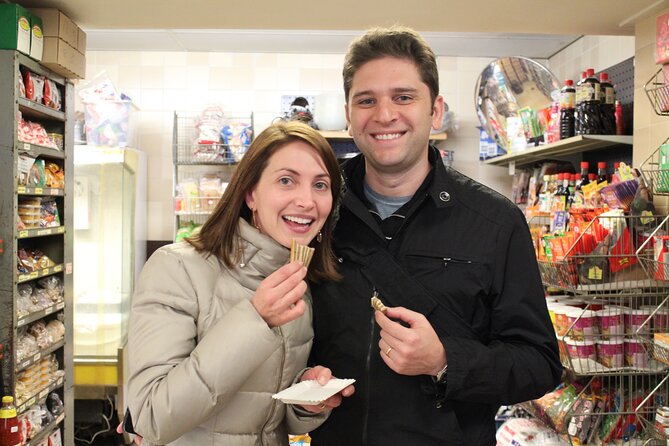
De Pijp is a useful neighborhood for a food tour because it brings several food traditions close together. Dutch snacks share the streets with Indonesian and Surinamese cooking, Asian grocery shops, market pastries, and newer food businesses. You get a sense of Amsterdam as a lived-in city rather than a collection of famous sights.
The tour starts at Albert Cuypstraat 75 at 11:00 a.m. From there, you walk into Albert Cuyp Market and then spend much of the afternoon in De Pijp. That timing matters. A late-morning start gives you breakfast or coffee before meeting the group, but you should avoid a large lunch. Seven or more tastings, plus drinks, can add up quickly.
I like the way the route combines well-known market food with less obvious stops. Albert Cuyp Market is popular, but the point here is not simply to march along its busiest section and eat the first thing you see. The guide takes you to small family businesses, older market sellers, and newer food entrepreneurs that the tour team has returned to over time.
The small group also helps. With no more than eight people, you can ask about an ingredient, slow down for a photograph, or tell the guide about foods you already know. Sharmain is described as good at reading the group and keeping the conversation light, while Sara is associated with a strong link between food and Amsterdam’s past. Your exact guide may vary, so treat those names as examples rather than a guarantee.
More Food Tours in Amsterdam
- 10 Tastes of Amsterdam: Food Tour by UNESCO Canals and Jordaan
★ 5.0 · 3,020 reviews - Amsterdam: River Cruise With All-You-Can-Eat Dutch Pancakes
★ 4.4 · 1,504 reviews - Eating Amsterdam: Food Tour & Canals Cruise
★ 5.0 · 496 reviews
Albert Cuyp Market: Dutch classics and market culture
The first stop lasts about 45 minutes and takes place in and around Albert Cuyp Market. This is the short market section, but it sets up the rest of the afternoon well.
You might try herring, a Dutch favorite that can be a bold first bite if you are not used to it. You may also encounter a kroket, a crisp fried snack with a soft savory filling, and stroopwafels, thin waffles joined by syrup. These are not fancy foods. That is the point. They are ordinary Dutch snacks, the kind of food that helps you understand what people grab between errands or while walking through the city.
The market also brings in food from beyond the Netherlands. Indonesian and Surinamese flavors are part of the route, along with Japanese influences later in the day. This mixture reflects Amsterdam’s food culture better than a tour limited to cheese, pancakes, and canal-side cafés.
One benefit of having a guide here is selection. A market can offer too many choices, and a first-time visitor may not know which stall is worth a stop. The guide’s long-standing connections with small businesses give the visit a clear purpose. You are not simply browsing. You are tasting specific foods and hearing why they matter.
The limitation is that 45 minutes is not enough for a slow, full market visit. If Albert Cuyp Market interests you, return on your own for another look. During the tour, focus on eating, listening, and noticing the mix of food businesses around the main market street.
Three hours in De Pijp, beyond the main market
The longer part of the tour takes place in De Pijp itself, with about three hours of walking, tasting, and conversation. This is where the experience earns its name. You move through small streets and local businesses rather than staying only in the market.
Toko shops are a major part of this section. In Amsterdam, a toko may be a small grocery shop, takeaway counter, or eatery tied to Indonesian, Surinamese, or wider Asian food traditions. You might see shelves of ingredients alongside prepared dishes, giving you a glimpse of how food shopping works in this part of the city.
The route also includes more Dutch street food. Depending on the day and the businesses open, the listed examples include herring, fries, kroketten, poffertjes, and stroopwafels. Poffertjes are small, soft pancakes, usually served as a sweet snack. Together, these foods create a useful contrast: crunchy and creamy, savory and sweet, familiar and new.
Newer international businesses are part of the mix too. Japanese sandos, or filled Japanese-style sandwiches, are listed among the possible stops. That detail keeps the route from turning into a museum of old Dutch food. De Pijp is presented as a neighborhood where food traditions keep changing.
Do not expect every stop to feel like a formal restaurant meal. This is a grazing tour. You walk from place to place, eat modest portions, and keep moving. The advantage is variety. The tradeoff is that the day can feel less structured than a sit-down lunch, especially if you prefer one large meal at a fixed table.
How the guide shapes the experience
Food tours succeed or fail on the guide’s ability to connect a bite with a place. Here, the guide is meant to explain everyday Amsterdam, not just name ingredients. That can include how people use markets, how immigrant food traditions became part of local life, and why a simple snack deserves attention.
The strongest praise attached to the experience centers on the guides’ people skills. Sharmain is noted for reading the group well and using friendly banter without letting the conversation take over. That matters in a small group, where an awkward pace or one overly dominant personality can affect everyone.
Sara is linked with an especially good food-and-history connection. If she leads your tour, you can expect the food to be explained in context rather than presented as a disconnected series of samples. Again, guide assignments can change, but the feedback gives you a useful idea of the intended tone: social, informed, and relaxed.
I would ask questions as you go. If you have never tried herring, pom, or Indonesian food, say so. If you already know Dutch snacks, ask about the local businesses and how the food fits into city life. The smaller group gives you a better chance to make the tour fit your interests.
More Walking Tours in Amsterdam
- Anne Frank’s Story – Guided Walking Tour through Amsterdam
★ 5.0 · 11,619 reviews - Amsterdam: Life of Anne Frank and World War II Walking Tour
★ 4.8 · 10,467 reviews - Absolutely Amsterdam – the Essential Introductory Walking Tour
★ 5.0 · 3,629 reviews - Amsterdam: Anne Frank Guided Small Group Walking Tour
★ 4.8 · 2,722 reviews
What you are likely to eat
The advertised tasting list is broad, and that is one of the tour’s main strengths. The foods named for the route include:
- Herring
- Broodje pom
- Kroketten
- Stroopwafels
- Fries
- Poffertjes
- Japanese sandos
- Indonesian and Surinamese specialties
- A few drinks
Broodje pom is a Surinamese sandwich built around pom, a savory baked dish made with grated pomtayer and other seasonings. It is less familiar to many visitors than a stroopwafel or a fry, which makes it one of the more distinctive possibilities on the route.
You should not assume that every item will appear in exactly the same order or portion. Market businesses have their own schedules, and the tour description allows for a mix of stops. The dependable promise is at least seven local street foods and several drinks, with the exact selection shaped by the day.
The variety also means dietary questions are worth raising before you book or at least before the start. The supplied details do not give a vegetarian, vegan, allergy, or halal menu. The tour includes fish, meat, dairy, fried foods, and ingredients from several cuisines, so you should not assume substitutions are available.
Price, pace, and practical value
At $155.68 per person, this is a high-priced food walk compared with simply buying snacks at Albert Cuyp Market on your own. If you are measuring value by the amount of food, the price may disappoint. You could spend far less on a market lunch.
The better comparison is a half-day private-feeling introduction to De Pijp, with a guide, at least seven tastings, drinks, and a group capped at eight. The cost makes more sense if you want someone to choose the stops, explain the local setting, and help you avoid wasting meals on places aimed mainly at short-term visitors.
The tour lasts four to five hours, so it occupies a sizeable part of your day. That is good for people who want a food-centered neighborhood visit, but less useful if you are trying to fit in several major museums or timed attractions. Plan it on a day when you can walk, eat slowly, and let the neighborhood set the pace.
Wear comfortable shoes. The route is on foot, and the itinerary covers both the market and several streets in De Pijp. Exact walking distance is not provided, so anyone needing a precise route length should ask the provider before booking.
The start point is easy to identify at Albert Cuypstraat 75, and the activity ends elsewhere. Since no final address is supplied here, check the current end point before planning your next appointment. The tour is near public transportation, which helps you continue your day after the final tasting.
Who should book this De Pijp experience
I would recommend it to first-time Amsterdam visitors who want food to serve as their introduction to the city. It is also a good match for anyone curious about Indonesian and Surinamese influences, since those foods receive attention alongside Dutch classics.
The tour suits couples, friends, and solo visitors who enjoy conversation. A maximum of eight people creates a more personal setting than a large coach-style food tour. The friendly banter associated with Sharmain’s guiding style may be a real plus if you like a social afternoon.
Families may also find the format workable, since most people can participate and service animals are allowed. Still, the duration and steady eating schedule may not suit very young children. The available details do not specify child pricing or age limits, so ask before booking.
I would hesitate to recommend it to a very selective eater or someone looking for a formal culinary class. You will taste many things, but the emphasis is on walking, sampling, and local context rather than cooking instruction or one carefully plated meal.
Booking and cancellation details
The experience is offered in English and uses a mobile ticket. Confirmation is sent within 48 hours, subject to availability, and the tour requires a minimum number of people. If that minimum is not reached and the tour is canceled, you are offered another date or experience, or a full refund.
You can cancel for a full refund up to 24 hours before the 11:00 a.m. start time. Changes or cancellations made less than 24 hours before the start are not accepted for a refund, and the cut-off follows Amsterdam local time.
The tour is often booked about 34 days ahead. That advance pattern suggests you should not leave it until the last morning of your trip, especially if you need a particular date. Since the group is small, popular times can fill before larger tours do.
Is the $155.68 price worth it?
Book this tour if you want a guided half-day built around everyday food, local businesses, and the mixed cultural character of De Pijp. The best reason to choose it is not one particular snack. It is the combination of seven or more tastings, a small group, and a guide who can explain why those foods belong in Amsterdam.
Skip it if your priority is the lowest possible food cost, a short market visit, or a fixed restaurant lunch. You can explore Albert Cuyp Market independently for much less.
For most visitors who enjoy trying unfamiliar foods and want help making sense of De Pijp, I think the experience is worth considering. Arrive hungry, keep your afternoon open, and treat the price as payment for both the food and the local guidance.
FAQ
Where does the tour begin?
It begins at Albert Cuypstraat 75, 1072 CN Amsterdam, Netherlands.
What time does the tour start?
The start time is 11:00 a.m.
How long does the tour last?
The experience lasts approximately four to five hours.
Where does the tour end?
It ends at a different location from the meeting point. The exact final location is provided in the booking details.
How many people can join the tour?
The maximum group size is eight people.
Is the tour offered in English?
Yes. The experience is offered in English.
How many foods will I taste?
You will try at least seven local street foods, along with a few drinks.
Which foods may be included?
Possible foods include herring, broodje pom, kroketten, stroopwafels, fries, poffertjes, Japanese sandos, and Indonesian or Surinamese specialties.
Is Albert Cuyp Market part of the tour?
Yes. The tour spends about 45 minutes in and around Albert Cuyp Market before continuing through De Pijp.
Can I cancel for a full refund?
Yes. You must cancel at least 24 hours before the experience start time for a full refund.
More Food and Drink Tours in Amsterdam
- Amsterdam Food and Cultural Tour with Tastings
★ 5.0 · 2,442 reviews - Amsterdam Jordaan Food & Drinks Tour with Eating Europe
★ 5.0 · 2,425 reviews - Amsterdam: Premium Henri Willig Cheese Tasting Experience
★ 4.7 · 1,106 reviews - Amsterdam: Cheese & Wine Cruise Tasting Experience
★ 4.5 · 1,090 reviews
Just added around Amsterdam
- Amsterdam: Food and Canal Tour★ 4.6 · 22 reviews
- Discover Deventer with an Outside Escape city game tour!★ 4.5 · 23 reviews
- Segway City Tours Amsterdam★ 4.3 · 23 reviews
- Amsterdam Canal Cruise in Classic Salon Boat With Drinks and Cheese★ 4.0 · 22 reviews
- Historical Walking Tour, private with local Dutch guide★ 5.0 · 23 reviews
- Utrecht Food Tour on a Bicycle with local guide★ 5.0 · 23 reviews
- Amsterdam: Captain For a Day 2-Hour Boat Rental★ 4.9 · 23 reviews
- Amsterdam Small-Group Breakfast Morning Cruise★ 5.0 · 23 reviews
Amsterdam Food Tours, compared.
10 Tastes of Amsterdam: Food Tour by UNESCO Canals and Jordaan
Read our review →
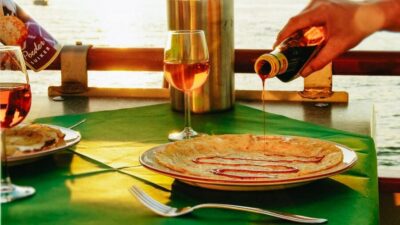
River Cruise With All-You-Can-Eat Dutch Pancakes
Read our review →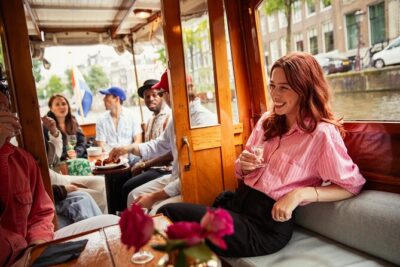
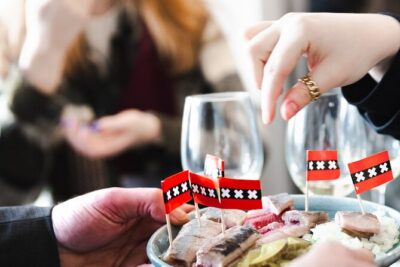
Amsterdam High-End Dutch Food & History Tour – Up to 8 guests
Read our review →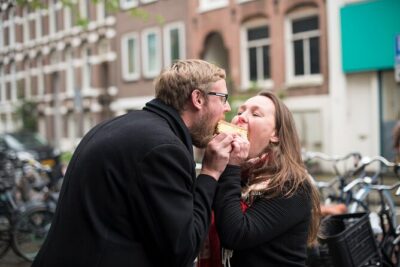
Amsterdam’s Market Street Food Tour with Streat Bites
Read our review →
Nijmegen: River Cruise with All-You-Can-Eat Dutch Pancakes
Read our review →
Amsterdam Food Tour of 10+ Local Classic Tastings in Jordaan Area
Read our review →Browse the lists this tour appears in