
Reviewed · DELFT TOURS
Delft: Entrance Ticket for the Old and New Churches
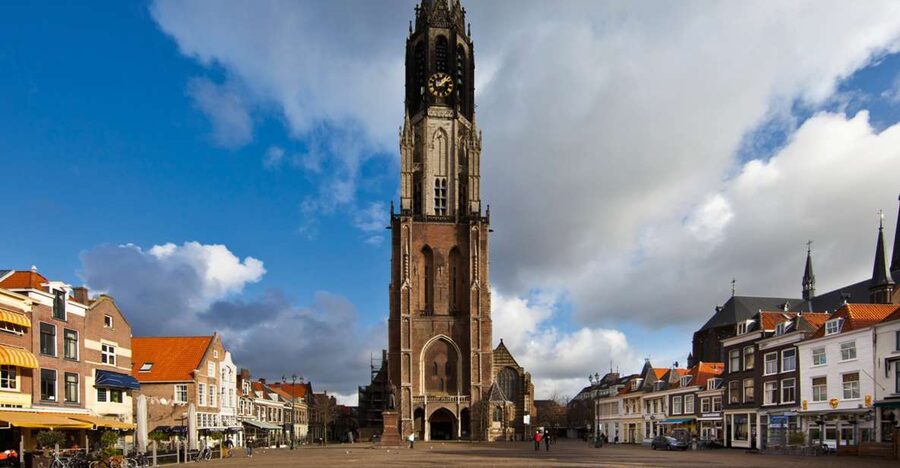
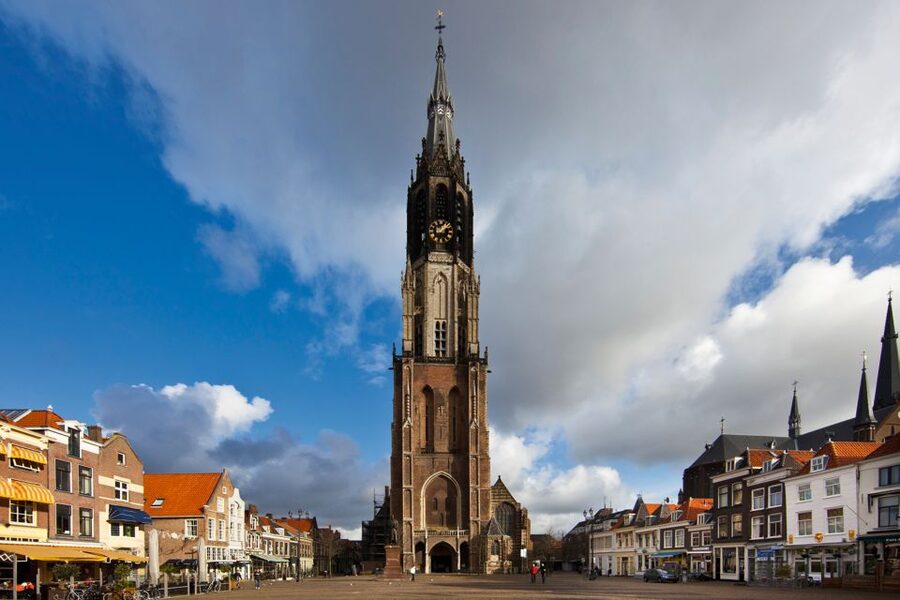
Delft’s two great churches tell the story of the Netherlands in a single, easy visit. The New Church gives you royal ceremony and the impressive mausoleum of William of Orange. The Old Church brings you medieval Delft, with a tower leaning about two meters off-center and the grave of Johannes Vermeer.
I like the simple one-ticket setup, and I like the contrast between the churches. The New Church feels formal and national, while the Old Church feels older, quirkier, and more intimate. The main drawback is that you explore without a guide, so you need to read the maps and displays to get the most from the visit. Check the opening schedule too, since church events and building work can change access.
In This Review
- Key points to know before you go
- Two churches, two very different Delft experiences
- Begin at the New Church and its royal connection
- The Old Church feels older, stranger, and more personal
- What makes the tombs worth your time
- Stained glass, organ, and stone details
- How much time should you allow?
- Is the $11 ticket good value?
- Practical details for wheelchair users and families
- What can affect your visit?
- Should you book the Old and New Churches ticket?
- FAQ
- How much does admission to the Old and New Churches cost?
- How long does the visit take?
- Which church should I visit first?
- Is a guide included?
- Who is buried in the New Church?
- Is Johannes Vermeer buried in the Old Church?
- Can I visit the tower of the Old Church?
- Are the churches wheelchair accessible?
- What happens if I arrive near closing time?
Key points to know before you go
- Start at the New Church: Exchange your voucher at its ticket counter before visiting the Old Church.
- See William of Orange’s mausoleum: A video presentation, written information, and a model of the crypt help explain the monument.
- Find Johannes Vermeer’s grave: The Old Church is the final resting place of Delft’s famous painter.
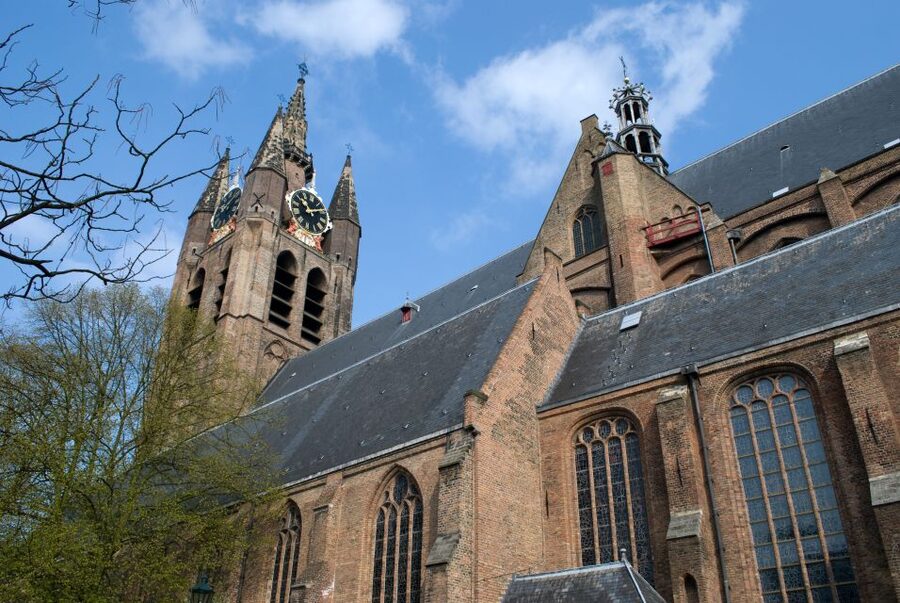
- Look up at the leaning tower: The Old Church’s tower, known as Leaning John, is about two meters off-center.
- Allow about 90 minutes: That gives you time for both churches, the tombs, windows, organ, and displays.
- Watch the closing times: No new entry is allowed during the final 15 minutes, and the tower closes one hour before the churches.
Two churches, two very different Delft experiences
This ticket works because the churches are not simply two versions of the same attraction. They show different sides of Delft and different chapters of Dutch history.
The New Church connects Delft with the Dutch royal family and the House of Orange. The Old Church takes you back to the medieval city, where uneven floors, ancient tombs, and a leaning tower create a more rugged sense of age.
You can visit both in about an hour and a half, but do not treat this as a quick photo stop. The best parts are easy to miss if you rush past the displays or fail to look down at the floor monuments and up at the windows and organ.
There is no guide included, so this is a self-guided visit. That gives you freedom to move at your own speed, but it also means the information provided inside matters. Pick up the map and use the written explanations and video screens, especially around William of Orange’s mausoleum.
A few more Amsterdam half-days to weigh up
- Delft: Canal Cruise with Guided Commentary
★ 4.4 · 990 reviews - Royal Delft: Delftblue Factory and Museum
★ 4.6 · 588 reviews - Delft: Vermeer Centrum Delft Museum Entry Ticket
★ 4.6 · 189 reviews
Begin at the New Church and its royal connection
Your visit must begin at the New Church. Go first to the ticket counter there to exchange your voucher, then take time to look around before moving on to the Old Church.
The New Church was completed in 1655, but its importance reaches back to 1584, when William of Orange was buried here. Since then, members of the House of Orange have been laid to rest within the church. For anyone interested in the Dutch monarchy, this is the essential stop.
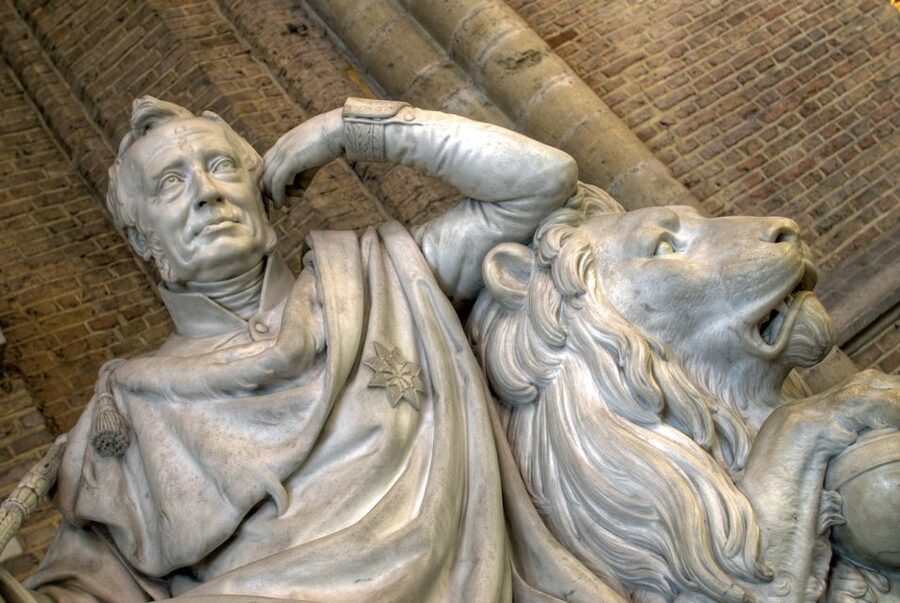
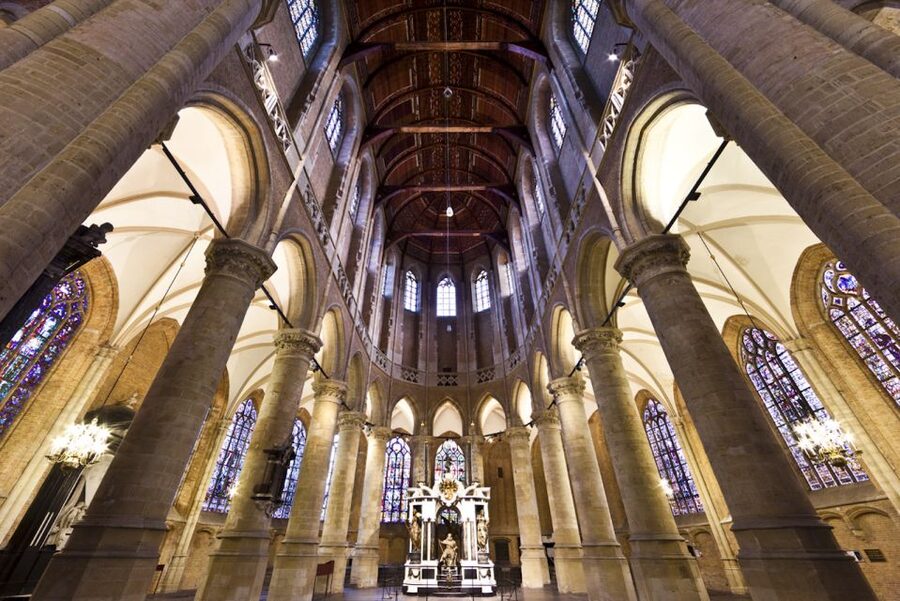
The church’s central feature is the mausoleum of William of Orange, often called the Father of the Fatherland. It is more than a tomb to glance at and photograph. A walking route around the monument helps explain the people and events connected with it.
Video screens and written information present historical timelines and important figures. A model of the crypt gives you a useful sense of what lies below the church. If you normally find dynastic history hard to follow, these displays make the sequence easier to grasp.
I would allow extra time here if you care about Dutch history or the royal family. The monument carries political as well as religious meaning. William of Orange played a central role in the formation of the Netherlands, so his tomb gives the church national importance that goes beyond its architecture.
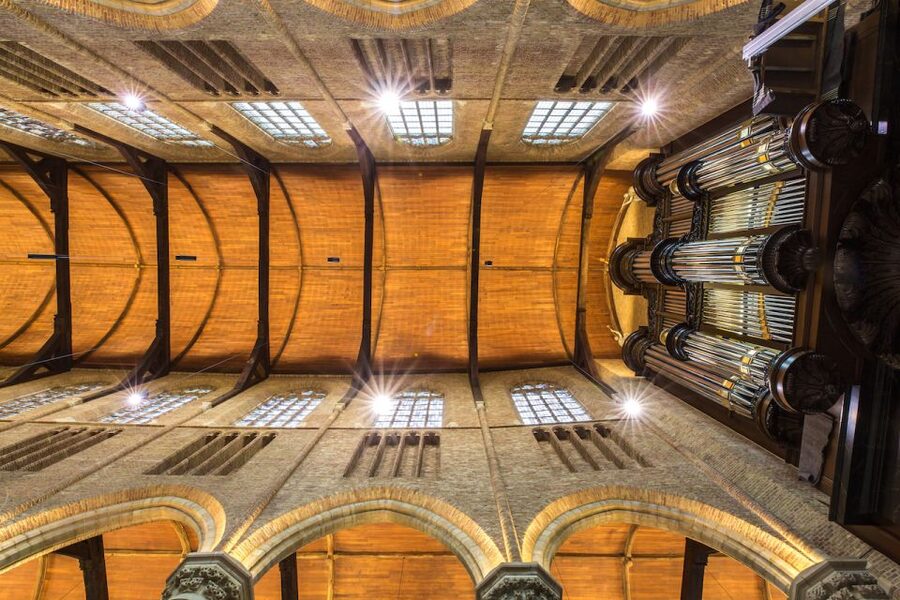
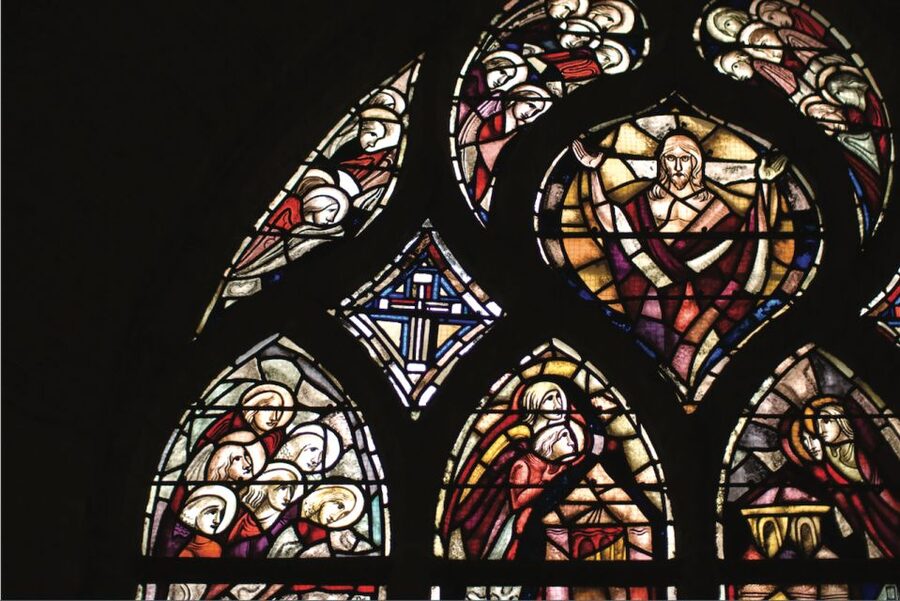
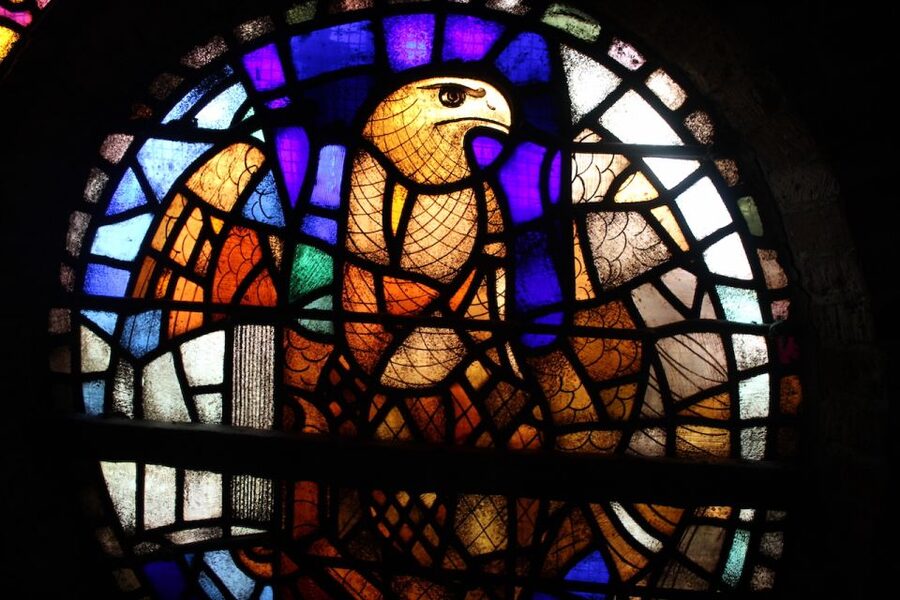
The New Church also has a monumental organ. Even if you are not an organ enthusiast, its scale changes the feel of the interior. Look for the modern stained-glass windows too. Their color against the old stone keeps the church from feeling like a sealed-off museum.
The contrast is useful. You see a church with medieval roots, a seventeenth-century building story, royal burials, modern glass, and a major organ all in one place. It gives you several ways into the visit, even if royal history is not your main interest.
The Old Church feels older, stranger, and more personal
After the New Church, continue to the Old Church. It has been part of Delft since 1246, and its character is quite different from the more formal New Church.
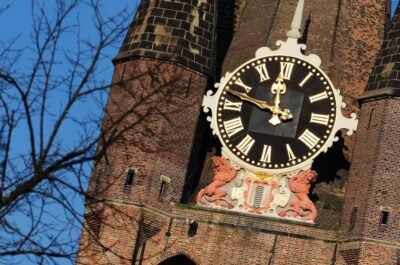
The first thing to notice is the tower. It leans about two meters from the center, earning the nickname Leaning John. The tilt is the feature everyone comes to see, but the church is more than a crooked landmark. The tower gives the whole building an instantly memorable identity.
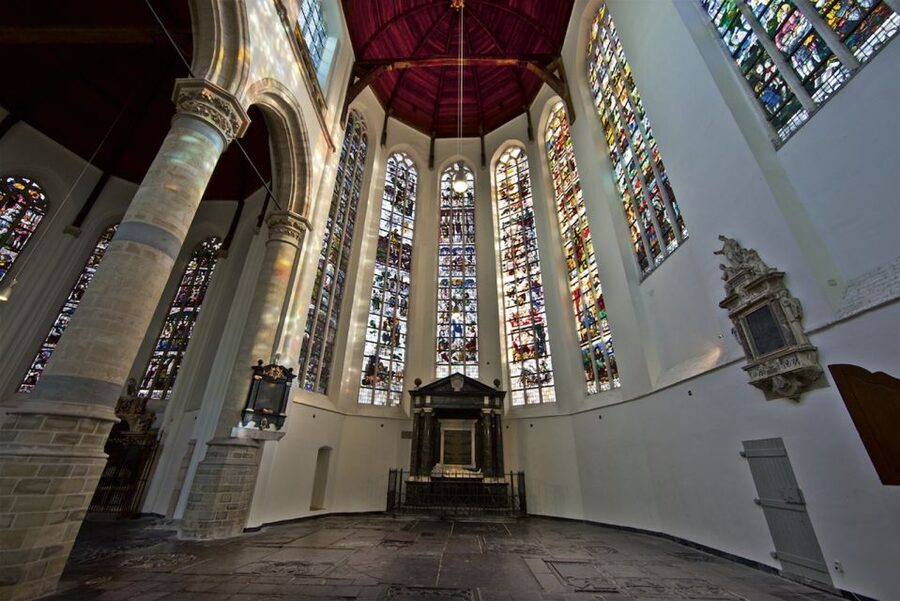
Inside, expect a medieval atmosphere rather than royal grandeur. Historic tomb monuments, old stonework, stained-glass windows, and an uneven floor create a less polished setting. The floor can be bumpy, which matters if you have trouble walking or use a wheelchair.
The Old Church is also where you find the grave of Johannes Vermeer, Delft’s celebrated painter. Vermeer is closely tied to the city, and standing at his grave adds a personal link to the streets and light that made Delft famous.
Other important figures buried here include Piet Hein and Antoni van Leeuwenhoek. Their presence broadens the visit beyond art. Piet Hein is associated with Dutch naval history, while Van Leeuwenhoek is remembered for his scientific work. You do not need to know their full stories before entering, but the church gives you a chance to connect Delft with art, seafaring, and science.
I like this part of the visit because it feels less ceremonial than the New Church. You are not only looking at a national monument. You are walking through a place where generations of Delft residents worshiped, were remembered, and were buried.
What makes the tombs worth your time
The graves are the heart of this experience, but they work best when you read the names and consider the range of people represented.
At the New Church, William of Orange’s mausoleum gives the visit its grandest focus. The route around the monument, along with the video screens and written timeline, helps explain why one burial place can matter so much to a country.
At the Old Church, the scale changes. Vermeer’s grave is a quieter point of interest, and the surrounding tombs place him among other major Dutch figures. The church does not present Dutch history as one straight royal story. Instead, you see several strands: politics, art, science, religion, and city life.
The model of the New Church’s crypt is particularly useful. Tombs below ground can be difficult to picture, especially when you are only allowed to view a monument from above. The model makes the burial arrangements easier to understand without requiring a long explanation from a guide.
If you enjoy genealogy, national history, historic cemeteries, or church architecture, plan to read more than you might at first expect. If you only want the leaning tower and a quick look at the royal tomb, 90 minutes may feel generous.
Same city, a completely different afternoon:
- Amsterdam: Van Gogh Museum Ticket
★ 4.7 · 52,054 reviews - Amsterdam Classic Saloon Boat Cruise with Drinks and Cheese
★ 5.0 · 31,825 reviews - Amsterdam Luxury Canal Cruise + Unlimited Drinks & Bites option
★ 5.0 · 30,518 reviews - Amsterdam: Heineken Experience Ticket
★ 4.6 · 30,055 reviews
Stained glass, organ, and stone details
Do not spend the entire visit looking for famous names. The churches also reward simple observation.
In the New Church, the monumental organ fills a large part of the interior. Its presence helps explain the church as a living religious space, not just a collection of tombs. Modern stained-glass windows cast colored light over old stone, creating one of the clearest visual contrasts in the visit.
The Old Church’s stained glass fits a different setting. Here, the windows share space with medieval features and historic tomb monuments. The effect is less formal and more layered.
Look down as you walk. The uneven floor is a practical concern, but it is also part of the building’s character. You are moving through a structure that has been altered and used across many centuries, not a modern hall designed for smooth circulation.
Because there is no guide, you control the pace. Stop when a name catches your attention. Read the map. Spend a few quiet minutes looking at the organ or windows instead of moving directly from one famous grave to the next.
How much time should you allow?
The stated duration is 1.5 hours, and that is a sensible plan for most people. It gives you enough time to visit both churches without turning the experience into an all-day history lesson.
Use your time roughly like this:
- Spend about 40 to 50 minutes at the New Church, especially if you watch the displays around the mausoleum.
- Allow about 35 to 45 minutes at the Old Church for the tower, tombs, Vermeer’s grave, windows, and interior details.
- Keep a few minutes in reserve for changing churches and finding the key points on the map.
These are not fixed times. If the royal family and William of Orange are your main interests, stay longer at the New Church. If Vermeer, medieval buildings, or architectural oddities appeal more, give the Old Church the extra time.
Do not arrive at the last minute. No new visitors are admitted during the final 15 minutes before closing. The tower closes one hour earlier than the churches, so anyone hoping to include tower access should arrive well before that cutoff.
The tower may close in poor weather. The churches may also close or change their hours for services, concerts, ceremonies, or other activities. Check the current agenda before setting your day around this visit.
Is the $11 ticket good value?
At $11 per person, the ticket offers solid value if you intend to see both churches. Paying separately, if that were possible, would remove the main advantage of the combined ticket. Here, one admission covers both major historic sites and gives you a clear half-day addition to a Delft visit.
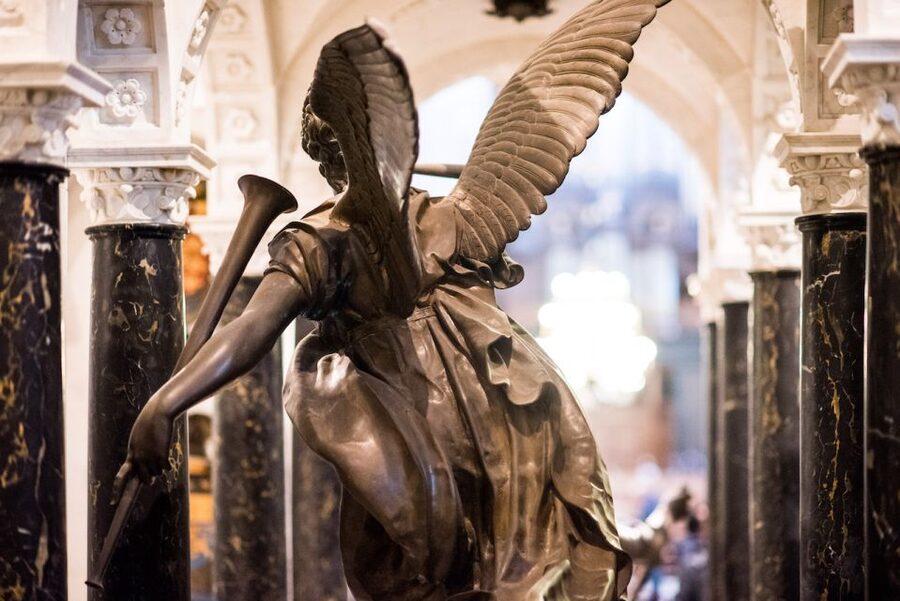
The value comes from variety. You are not paying for one bare church interior. You get royal burial history, William of Orange’s mausoleum, a crypt model, historical displays, a monumental organ, stained glass, the leaning Old Church tower, Vermeer’s grave, and other notable tombs.
The price is less compelling if you only want to see the outside of the buildings or if you prefer a guided explanation. A guide is not included, and the experience depends on your willingness to read the information provided.
For independent sightseers, the price is fair. You can take your time, skip sections that do not interest you, and return your attention to the parts that do. The ticket also suits visitors who want a compact indoor activity in Delft rather than another long museum visit.
Practical details for wheelchair users and families
Both churches are wheelchair accessible. Still, the floor may be uneven or bumpy, especially in the Old Church, so plan for a slower pace and take care with the historic flooring.
Food and drinks are not allowed inside, and alcohol and drugs are prohibited. This is a working religious and historic setting, so quiet, respectful behavior is appropriate even when there is no service taking place.
Families with older children may find the leaning tower and royal tombs easier points of interest than a standard church tour. The video screens and crypt model at the New Church can help children understand what they are seeing, though the visit is still primarily about history and architecture.
Anyone with a strong interest in Dutch royalty should begin with the New Church exactly as instructed. Art lovers should make sure they do not miss Vermeer’s grave at the Old Church. Architecture fans will want to leave enough time for the tower and the contrast between the two buildings.
What can affect your visit?
The biggest practical risk is an unexpected closure or change in hours. Church activities can alter access, and building work may affect what you can see. One recent visit took place during construction, so it is wise to check the agenda before booking or arriving.
The tower is especially subject to restrictions. It closes one hour before the churches and may be closed because of weather. The supplied information does not promise a tower climb, so treat the leaning tower itself as a guaranteed visual feature, while any tower access may depend on current conditions and opening arrangements.
Holiday hours also differ. During the Christmas holidays, both churches are open from 10:00 a.m. to 5:00 p.m. on weekdays and Saturdays. Check the schedule for Sundays and other dates rather than assuming the usual hours apply.
The ticket allows free cancellation up to 24 hours before the visit, and you can reserve now and pay later. Those terms help if your Delft day is not yet fixed, but opening conditions remain the more important thing to check.
Should you book the Old and New Churches ticket?
I would book this for a first visit to Delft if you enjoy history, royal connections, famous graves, or old buildings with strong character. The New Church gives you William of Orange and the Dutch royal family. The Old Church gives you Vermeer, Leaning John, and a more medieval setting. Together, they make a better visit than either church alone.
I would skip it if you want a guided tour, dislike reading displays, or have only a few minutes in Delft. Also reconsider if tower access is your sole reason for going, since the tower can close earlier or shut because of weather.
For most independent visitors, the $11 ticket is an easy way to add seven centuries of Dutch history to a Delft day. Start at the New Church, arrive well before closing, take the map seriously, and give yourself the full 90 minutes. That is enough time to see the famous names while still noticing the quieter details.
FAQ
How much does admission to the Old and New Churches cost?
The ticket costs $11 per person and includes admission to both churches.
How long does the visit take?
The stated duration is 1.5 hours. You can adjust the time between the churches based on your interests.
Which church should I visit first?
You must visit the New Church first. Exchange your voucher at the New Church ticket counter before going to the Old Church.
Is a guide included?
No. A guide is not included. The New Church provides a map, written information, and video screens around William of Orange’s mausoleum.
Who is buried in the New Church?
The New Church contains the mausoleum of William of Orange and is the burial place of members of the Dutch Royal Family and the House of Orange.
Is Johannes Vermeer buried in the Old Church?
Yes. Johannes Vermeer is buried in the Old Church, along with other important Dutch figures such as Piet Hein and Antoni van Leeuwenhoek.
Can I visit the tower of the Old Church?
The tower closes one hour before the churches, and it may close because of weather. The information provided does not guarantee tower access at every visit.
Are the churches wheelchair accessible?
Yes. Both churches are wheelchair accessible, but the floors may be uneven or bumpy.
What happens if I arrive near closing time?
No new visitors are admitted during the final 15 minutes before closing. You should arrive earlier, especially if you also want to see the tower, which closes one hour before the churches.
Just added around Amsterdam
- Amsterdam: Food and Canal Tour★ 4.6 · 22 reviews
- Segway City Tours Amsterdam★ 4.3 · 23 reviews
- Amsterdam Canal Cruise in Classic Salon Boat With Drinks and Cheese★ 4.0 · 22 reviews
- Discover Deventer with an Outside Escape city game tour!★ 4.5 · 23 reviews
- Historical Walking Tour, private with local Dutch guide★ 5.0 · 23 reviews
- Utrecht Food Tour on a Bicycle with local guide★ 5.0 · 23 reviews
- Amsterdam: Captain For a Day 2-Hour Boat Rental★ 4.9 · 23 reviews
- Amsterdam Small-Group Breakfast Morning Cruise★ 5.0 · 23 reviews
Delft Tours, compared.


Craft Beer Tasting in Medieval Brewery with Snacks
Read our review →Browse the lists this tour appears in