Reviewed · TICKETS
Vught: National Monument Concentration Camp Entry Ticket
Kamp Vught is the only SS concentration camp built outside Nazi Germany, and its remains make the story painfully direct. You see the former camp layout, an original barrack, watchtowers, the crematorium, and the woods where 329 men were executed.
I like the permanent exhibition’s focus on 32,000 individual stories, rather than treating the camp as a collection of dates. I also like the way the outdoor route connects the museum to physical remains, including the children’s transport memorial and two restored freight wagons.
The main drawback is that this is a serious, sometimes upsetting visit, not a light afternoon attraction. The walk to the execution site is about 4 kilometers, so wear good shoes and allow several hours.
In This Review
- Key points to know before visiting
- Why Kamp Vught is different from a standard museum
- Start inside with Seven Seasons and 32,000 Stories
- The camp model and reconstructed barrack
- Barrack 1B and the changing use of the site
- Watchtowers, crematorium, and the children’s memorial
- The 4-kilometer walk to the execution site
- Freight wagons and the former railway line
- How much time should you allow?
- Is the $14 ticket good value?
- Accessibility and practical comfort
- Who should book this experience?
- Should you book Kamp Vught?
- FAQ
- Where is Kamp Vught located?
- What does the entry ticket include?
- Is a guided tour included?
- How long is the ticket valid?
- How long is the walk to the execution site?
- Is Kamp Vught suitable for children?
- Is the museum wheelchair accessible?
- Are lockers available?
- Can I cancel my booking?
Key points to know before visiting

- The former camp has a personal focus: The permanent exhibition, Camp Vught: Seven Seasons and 32,000 Stories, presents individual lives and objects connected with people from 35 nationalities.
- Barrack 1B is original: It is the last remaining original barrack from Camp Vught, while another barrack has been reconstructed to show the camp setting.
- The outdoor route adds essential context: You can see the camp model, watchtowers, crematorium, children’s memorial, and freight wagons.
- The execution site takes time: The woodland monument is about 4 kilometers from the museum, so plan for a substantial walk.
- The ticket is self-guided: An audio guide is included in English, Dutch, German, and French. A guided tour is not included.
- The visit is best for older children and adults: The site is not recommended for children under 10.
Why Kamp Vught is different from a standard museum
Kamp Vught was known during the Nazi occupation as Konzentrationslager Herzogenbusch. The site is not presented as a distant wartime story. You move between museum displays and surviving camp features, which helps you understand how imprisonment operated in the Netherlands.
That physical connection matters. A model can show the full scale of the former camp, while a watchtower or barrack makes the setting more immediate. The combination gives you both the broad picture and the small, human details.
I find the personal-story approach especially useful. The camp held people from 35 nationalities, and their experiences were not identical. Some were imprisoned because of Nazi persecution, while the site also reflects the wider occupation of the Netherlands and the different groups who passed through or later lived there.
The museum asks you to pay attention to objects and testimony, not just military events. That makes the visit more reflective and less like a quick checklist of wartime landmarks.
A few more Amsterdam half-days to weigh up
- Amsterdam: Van Gogh Museum Ticket
★ 4.7 · 52,054 reviews - Amsterdam: Heineken Experience Ticket
★ 4.6 · 30,055 reviews - Amsterdam: Rijksmuseum Entry Ticket
★ 4.7 · 25,535 reviews
Start inside with Seven Seasons and 32,000 Stories
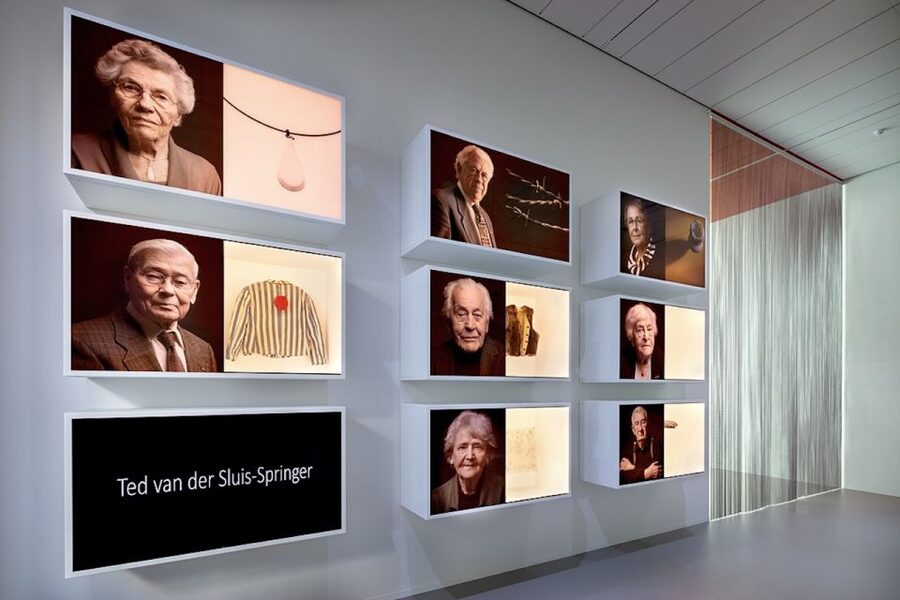
Begin with the permanent exhibition, Camp Vught: Seven Seasons and 32,000 Stories. It explains the origins of Camp Vught and follows the lives of people imprisoned there through personal accounts and objects.
The title is a useful reminder that the camp’s history cannot be reduced to one group or one date. Each person had a different background, nationality, family, and reason for being caught up in the Nazi system. You get a stronger sense of that range here than you would from a simple chronological display.
I recommend taking your time with the audio guide. Since it is available in English, Dutch, German, and French, you can follow the material in a language that suits you. This is a self-guided visit, so you set the pace and can pause when a story needs more attention.
Do not rush through the personal material just to reach the outdoor area. The exhibits give the physical remains their meaning. Without that background, a watchtower is only a structure, and a barrack is only a building.
The subject matter is difficult. Parents should note that the experience is not suitable for children under 10, and older children may still need preparation before arriving.
The camp model and reconstructed barrack
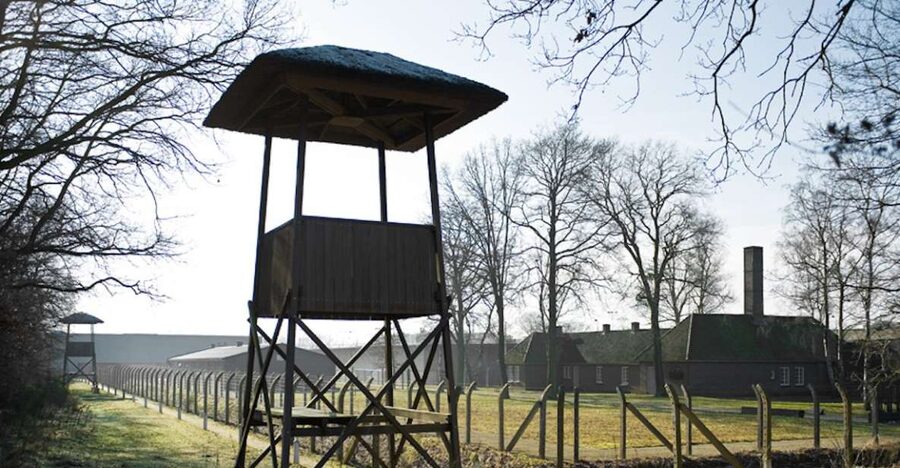
Outside, a model of the former campsite helps you understand how the camp was arranged. This is one of the most useful stops for getting your bearings, since the original site has changed over time and not every part of the former camp remains.
A reconstructed barrack gives you a sense of the built environment in which prisoners were held. It is not the same as entering an untouched original building, but it helps explain the scale and function of the camp.
The reconstructed building works best when you compare it with Barrack 1B later in the visit. One shows the camp setting through reconstruction, while the other is the last remaining original barrack.
This part of the visit can feel stark rather than dramatic. That is appropriate. The site does not need theatrical effects. The layout, objects, and recorded stories do the work.
Barrack 1B and the changing use of the site
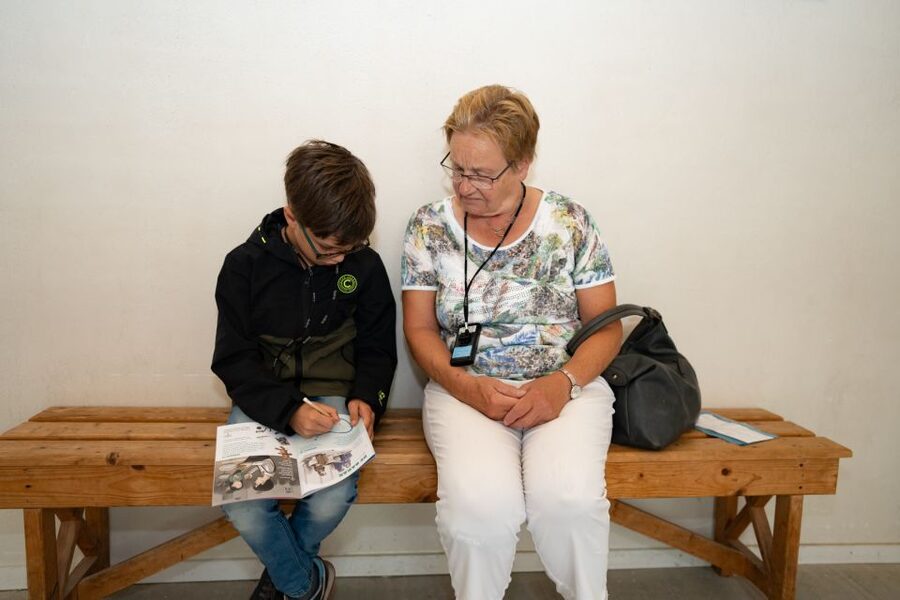
Make time for Barrack 1B, the last original barrack from Camp Vught. Its exhibition, If Walls Could Speak, covers four separate periods connected with the location.
The first is the concentration camp period from 1943 to 1944. The exhibition then follows the use of the site as housing for German civilian evacuees, as a place for Dutch people suspected of collaboration, and later as accommodation for Moluccan KNIL soldiers and their families.
This broader timeline is important. It shows that the site’s story did not end when the concentration camp closed. The building continued to be used, and those later chapters shaped what remains today.
Barrack 1B has different opening times from the main museum, so check the schedule before you plan around it. The stated regular hours are Wednesday from noon to 5 p.m. and Saturday and Sunday from 1 to 5 p.m. During the school holiday period from December 23 to January 5, it opens Monday through Friday from noon to 5 p.m. and Saturday and Sunday from 1 to 5 p.m.
That limited schedule is one of the practical points to watch. If Barrack 1B is a priority, do not assume that the main museum’s hours apply to it.
Same city, a completely different afternoon:
- Amsterdam Classic Saloon Boat Cruise with Drinks and Cheese
★ 5.0 · 31,825 reviews - Amsterdam Luxury Canal Cruise + Unlimited Drinks & Bites option
★ 5.0 · 30,518 reviews - Amsterdam: Classic Boat Cruise with Optional Cheese & Wine
★ 4.6 · 22,925 reviews - Amsterdam: Evening Cruise with Optional Wine and Snacks
★ 4.4 · 19,696 reviews
Watchtowers, crematorium, and the children’s memorial
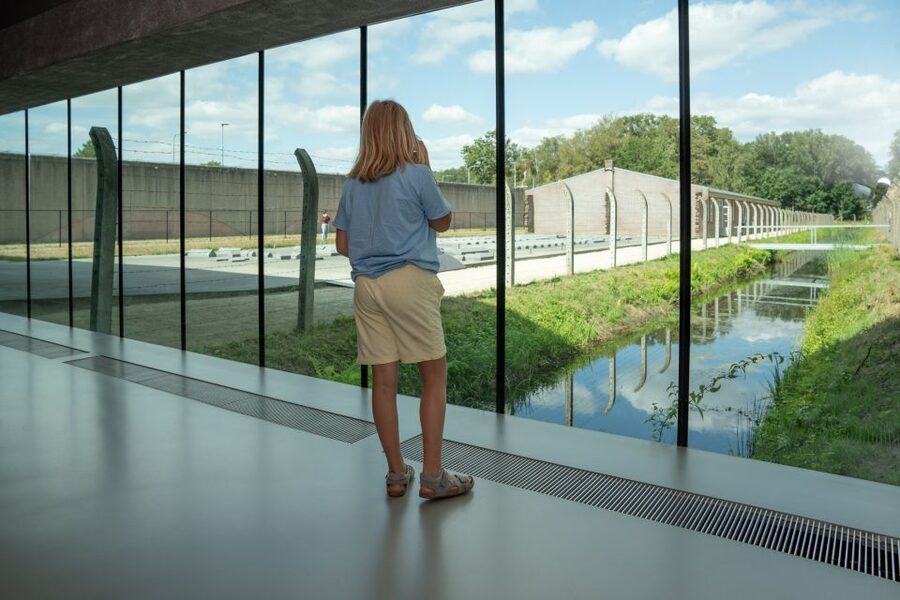
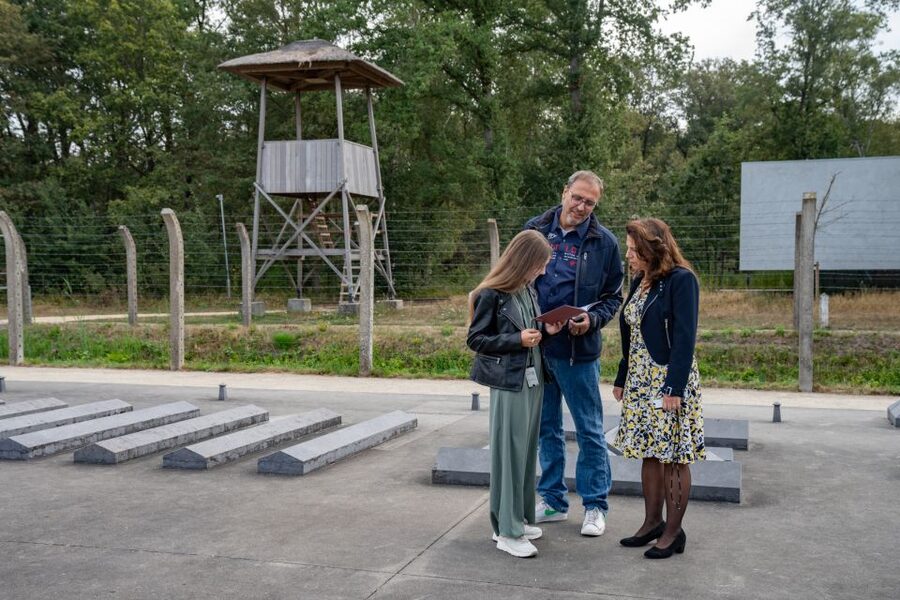
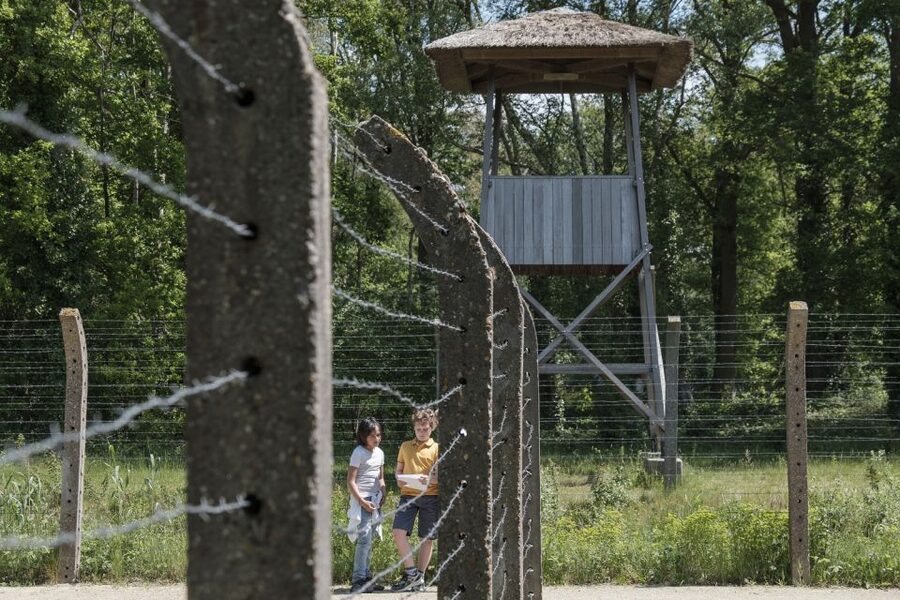
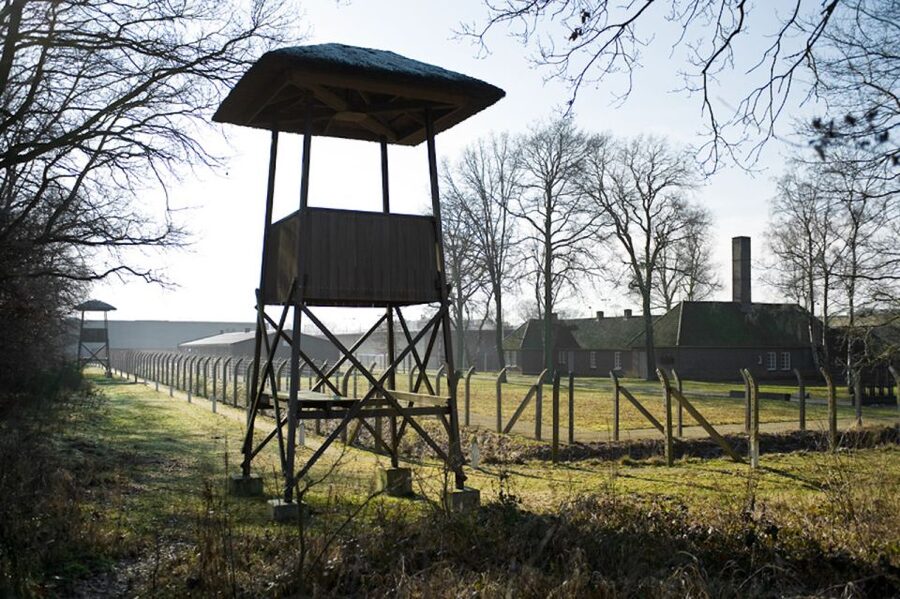
The outdoor area includes several watchtowers and the original crematorium. These are among the places where the camp’s operation becomes easiest to understand, though they can also be the hardest to face.
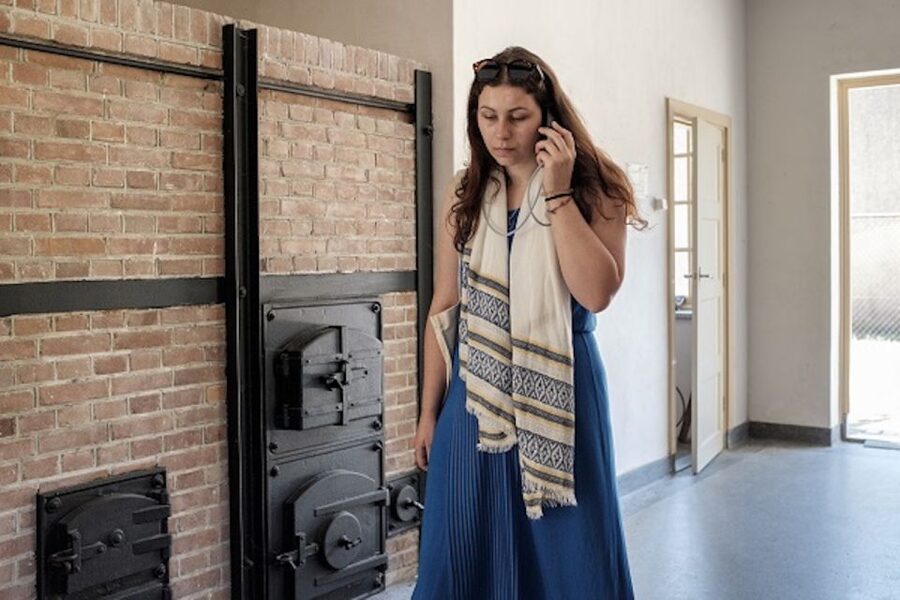
The watchtowers help you see how closely the camp was controlled. The crematorium is a quiet, sobering stop that gives physical form to the crimes described in the indoor exhibitions.
You will also find a memorial to the children’s transports of June 1943. This deserves unhurried attention. It connects the history of the camp to the families and children who were deported, rather than leaving the story at the level of general numbers.
I would avoid planning this as a rushed one-hour stop. You need time to read, listen, walk, and pause. The ticket is valid for one day, which is useful because you can give the museum and outdoor area the time they require.
The 4-kilometer walk to the execution site
The former execution site lies in the woods within walking distance of the museum. A monument marks the actual place where 329 men were executed.
The walk is approximately 4 kilometers, so this is not a tiny detour. It may be the most physically demanding part of the visit, especially in poor weather or if you need frequent rests. Wear comfortable shoes and weather-appropriate clothing.
I consider the walk worthwhile because it separates the site from the museum’s displays. The woodland setting is quiet, and that quiet changes the tone of the visit. You are no longer looking at an exhibit. You are standing at the place identified by the memorial.
Give yourself enough time to return to the museum. Portable compact chairs are available in the main hall, and you can take one with you if you need to stop during the visit. Umbrellas are also available.
Freight wagons and the former railway line
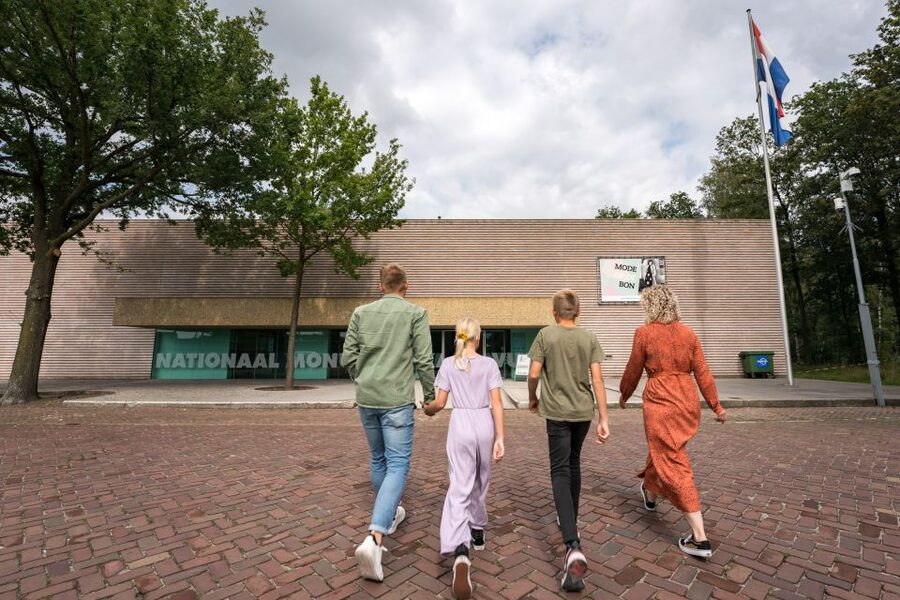
Along the access road to the museum, two restored freight wagons follow the line of the camp’s former railway. These wagons became a worldwide symbol of persecution and deportation during the Second World War.
Their location on the approach road makes them easy to miss if you are focused only on the building ahead. Look for them as you arrive or leave. They provide a visual link between Camp Vught and the wider system of deportation.
The wagons are not a substitute for the museum’s personal stories. They work best as part of the full visit, where you understand what transport meant for the people described inside.
How much time should you allow?
The ticket is valid for one day, and that flexibility is useful. The museum, outdoor area, Barrack 1B, and execution-site walk each call for a different pace.
For a brief visit, you could focus on the main exhibition and the core outdoor remains. But I would not choose this ticket if you only have enough time to hurry through the site. The personal stories, audio material, and memorials need attention.
A longer visit lets you take breaks without losing the thread. The free cloakroom lockers make it easier to walk around without carrying extra belongings, and the compact museum chairs can help if you need to sit along the route.
The published opening information lists Monday through Friday from 10:00 PM to 5:00 PM and Saturday and Sunday from noon to 5:00 PM. The weekday time appears unusual, so confirm the current hours before you go. The museum is closed on December 25 and December 31. Free entrance is offered on May 4, National Memorial Day, and the information also lists free entrance on December 8, 2024.
Is the $14 ticket good value?
At $14 per person, I think the ticket offers fair value for a full day at a memorial museum with indoor exhibitions, an audio guide, original and reconstructed buildings, outdoor remains, and access to the execution-site memorial.
The value is not in the number of attractions. It comes from the range of material covered in one place. You get the camp’s origins, the lives of prisoners, the occupation of the Netherlands, the later use of the site, and the physical remains.
A guided tour is not included, so you should know what you are buying. This is an independent visit with an audio guide, not a live tour led by a named guide. That suits me when I want to stop often or spend longer with a particular story, but some visitors may prefer a guide who can answer questions in the moment.
The reserve-now, pay-later option and free cancellation up to 24 hours before the visit add useful flexibility. I would still check the current opening hours and Barrack 1B schedule before reserving a particular day.
Accessibility and practical comfort
The museum is wheelchair accessible. One wheelchair is available to borrow at Camp Vught National Memorial, and another is available in Barrack 1B. Ask the counter staff if you need one.
People accompanying wheelchair users can receive free entry. The same applies to people accompanying visitors with visual impairments.
The execution-site route is approximately 4 kilometers, so accessibility needs may vary across the full outdoor visit. If that walk is not suitable for you, the museum and main outdoor area still offer substantial material, but the execution-site monument may be difficult to reach.
Free lockers, umbrellas, and portable chairs make the visit more manageable. These are small details, but they matter at a place where you may want to spend several hours.
Who should book this experience?
I would recommend Kamp Vught to adults, older teenagers, and anyone seeking a serious account of the Nazi occupation in the Netherlands. It is particularly useful if you want more than a general Second World War museum, since the personal stories and objects keep the focus on individuals.
It suits people who prefer self-guided visits. You can listen in English, Dutch, German, or French, move at your own speed, and take breaks when needed.
I would not choose it for children under 10, a quick sightseeing stop, or anyone expecting a cheerful attraction. The subject is tragic, and parts of the visit are emotionally heavy.
The only published experience comment describes it as respectful and worthwhile, with an inspirational story about Co at the end of the visit. That final story may give the experience a note of human dignity after the difficult material, but you should still arrive prepared for a solemn day.
Should you book Kamp Vught?
Book it if you want a thoughtful, self-guided memorial visit that combines personal testimony with original camp remains. The $14 price is reasonable, the audio guide is included, and the one-day validity gives you room to take the site at a humane pace.
Before booking, check the current opening times, especially if Barrack 1B matters to you. Wear comfortable shoes, allow time for the 4-kilometer execution-site walk, and do not bring young children. For the right visitor, Kamp Vught offers a direct and respectful way to understand this painful chapter of Dutch and European history.
FAQ
Where is Kamp Vught located?
Kamp Vught is in Vught, in North Brabant, Netherlands. The memorial is also known as Konzentrationslager Herzogenbusch.
What does the entry ticket include?
The ticket includes entry to the memorial centre and its exhibitions, as well as access to the outdoor area. An audio guide is included.
Is a guided tour included?
No. A guided tour is not included. The visit is self-guided, with audio-guide options in English, Dutch, German, and French.
How long is the ticket valid?
The ticket is valid for one day. Check the available starting times when booking.
How long is the walk to the execution site?
The walking route to the former execution site is approximately 4 kilometers.
Is Kamp Vught suitable for children?
The experience is not suitable for children under 10 years old.
Is the museum wheelchair accessible?
Yes, Camp Vught National Memorial is wheelchair accessible. One wheelchair can be borrowed at the memorial, and another is available in Barrack 1B.
Are lockers available?
Yes. Cloakroom lockers are free to use.
Can I cancel my booking?
You can cancel up to 24 hours in advance for a full refund. A reserve-now, pay-later option is also available.
Just added around Amsterdam
- Amsterdam: Food and Canal Tour★ 4.6 · 22 reviews
- Segway City Tours Amsterdam★ 4.3 · 23 reviews
- Amsterdam Canal Cruise in Classic Salon Boat With Drinks and Cheese★ 4.0 · 22 reviews
- Discover Deventer with an Outside Escape city game tour!★ 4.5 · 23 reviews
- Historical Walking Tour, private with local Dutch guide★ 5.0 · 23 reviews
- Utrecht Food Tour on a Bicycle with local guide★ 5.0 · 23 reviews
- Amsterdam: Captain For a Day 2-Hour Boat Rental★ 4.9 · 23 reviews
- Amsterdam Small-Group Breakfast Morning Cruise★ 5.0 · 23 reviews
Tickets, compared.



Keukenhof Ticket and Roundtrip Shuttle Transfer
Read our review →
Moco Museum Amsterdam Entrance Tickets with Banksy & More
Read our review →