
Reviewed · JORDAAN & HIDDEN GEMS WALKS
Maastricht Hidden Gems Tour Uncover the Unexpected
Maastricht reveals its oldest stories in small pieces: a Roman crossing, a medieval basilica, a city gate, and narrow lanes where old houses still frame the route. This private walk with Fons Bollen links those pieces into a clear two-hour introduction to the city, beginning in Maastricht-Centrum and returning there on foot.
I like the way the tour connects major sights with less obvious corners, especially the Roman remains at Op de Thermen and the lanes around Jekerkwartier. I also like the private format, which lets you ask questions and request more history, art, or local food. The main consideration is pace: two hours covers many stops, so you will get an overview rather than long visits inside individual buildings.
In This Review
- Key points to know before booking
- Why Maastricht makes a good two-hour history walk
- Sint Servaasbrug and the Roman crossing
- Meeting the Mestreechter Geis
- Op de Thermen and Maastricht’s Roman traces
- The Basilica of Our Lady and medieval Maastricht
- Bisschopsmolen and the texture of old streets
- Helpoort and the Jekerkwartier
- The Jeker wall and Het Vagevuur
- Vrijthof and the city’s public life
- Dominicanerkerkstraat and the return to Maastricht-Centrum
- What the private format is worth at $235
- Guide style and practical comfort
- Who should book this walk
- Should you book the Maastricht Hidden Gems Tour?
- FAQ
- Where does the Maastricht walking tour begin?
- How long does the tour last?
- How much does the tour cost?
- Is the tour private?
- Which languages does Fons Bollen speak during the tour?
- Is hotel pickup included?
- Is the walking tour wheelchair accessible?
- Are food, drinks, or museum tickets included?
- Can I cancel or pay later?
Key points to know before booking
- Roman beginnings: Follow Maastricht back to around 50 AD and the Mosa Trajectum crossing over the Maas.
- A private city walk: The $235 price covers a group of up to 14, making the cost far better for a full group than for one or two people.
- A calm, adaptable guide: Fons Bollen speaks Dutch, German, and English and can adjust the focus to suit your group.
- A strong mix of landmarks and lanes: The route includes the Basilica of Our Lady, Helpoort, Vrijthof, Jekerkwartier, and quieter historic streets.
- Local character: The idea of the Mestreechter Geis gives the walk a human side, beyond dates and buildings.
- Easy central logistics: Hotel pickup is included for hotels in the city, and the walk begins and ends in Maastricht-Centrum.
Why Maastricht makes a good two-hour history walk
Maastricht has a long past, but its story is not just one straight line. The city grew around a Roman crossing, then developed under the influence of both the Bishop of Liège and the Duke of Brabant. That divided authority helped shape the city’s identity and gives the walk more texture than a simple list of old buildings.
Fons begins at the historic marketplace, a practical place to meet and get your bearings. From there, you move through central streets rather than spending the whole tour in one square or church. That matters because Maastricht’s character appears in the spaces between its headline sights: old walls, narrow passages, small courtyards, and houses that mark the city’s medieval growth.
The tour is private, so your group can ask for more detail when something catches your attention. You can also request a stronger focus on history, art, or local cuisine. That flexibility is useful for families, mixed-interest groups, or repeat visitors who have already seen the main square.
More Jordaan and back-street walks:
- Amsterdam: Red Light Secrets Museum Entry Ticket
★ 4.2 · 5,722 reviews - 10 Tastes of Amsterdam: Food Tour by UNESCO Canals and Jordaan
★ 5.0 · 3,020 reviews - Amsterdam Jordaan Food & Drinks Tour with Eating Europe
★ 5.0 · 2,425 reviews
Sint Servaasbrug and the Roman crossing
The route includes Sint Servaasbrug, one of the key places for understanding why Maastricht exists where it does. The Roman army established a crossing over the Maas around 50 AD and called the settlement Mosa Trajectum, a name tied to the river crossing.
At this stop, Fons explains how the crossing supported trade and defense. You get the basic geography of Maastricht first, which makes later stops easier to understand. The city was not placed here by accident. The river and its crossing shaped movement, commerce, and military importance.
This is listed as a photo stop and guided walk, not a long archaeological visit. Expect explanation and orientation rather than a museum-style presentation. If Roman history is your main interest, tell Fons early so he can give that part more attention.
Meeting the Mestreechter Geis
The tour also introduces the Mestreechter Geis, the local spirit associated with the warmth, friendliness, and joy of life of Maastrichtenaren. It is a useful idea because cities are more than their monuments. Maastricht’s cafés, markets, festivals, and social life help explain how the place feels today.
This part gives the walk a personal layer. You are not only hearing about bishops, dukes, and Roman soldiers. You are also learning how local people describe the character of their city.
The phrase may be especially useful if you are deciding how much time to spend in Maastricht beyond the historic core. Fons connects the old streets to the city’s present-day life, although food and drinks are not included in the tour price.
Op de Thermen and Maastricht’s Roman traces
Op de Thermen is one of the most important stops for the city’s early past. Here, you can see Roman remains connected to the settlement’s first period. The stop helps make the date of around 50 AD feel less abstract because you are looking at physical evidence rather than only hearing a founding story.
The name also points to the Roman side of Maastricht’s development. Fons uses the location to explain the city’s role as a crossing point and a place of trade and defense.
Keep your expectations in check. This is a guided stop within a walking tour, not a separate museum visit. Museum tickets are not included, and the two-hour schedule means the Roman material is part of a broader city story.
A few more Maastricht & Limburg half-days to weigh up
- Highlight Running Tour
★ 5.0 · 118 reviews - e-Scavenger hunt Maastricht: Explore the city at your own pace
★ 4.5 · 110 reviews - Maastricht: Museum of Illusions Entry Ticket
★ 4.2 · 82 reviews - Maastricht Privat Sightseeing City Walk
★ 5.0 · 76 reviews
The Basilica of Our Lady and medieval Maastricht
The Basilica of Our Lady brings the walk into Maastricht’s medieval period. Its architecture gives you a strong visual change from the Roman remains, with heavy stonework and a sense of age that helps explain the importance of religion in the city.
Fons uses the basilica to discuss Maastricht’s medieval heart and the city’s ties to the Bishop of Liège. This is where political and religious history meet. The city’s development was shaped by more than one power, and the church is a natural place to explore that relationship.
The tour includes a guided stop and photo opportunity. It does not promise an extended interior visit or a separate admission, so you should treat the basilica as part of the walking route rather than assume a full church tour. If seeing the inside matters to you, ask Fons about the available time during your walk.
Bisschopsmolen and the texture of old streets
Bisschopsmolen adds another layer to the route. Its name connects the stop with the city’s religious and civic past, while the surrounding streets show how Maastricht’s older quarters fit together.
This is the kind of stop that helps break up the big historical themes. Instead of only hearing about rulers and dates, you get a closer look at the built environment that carried daily life through the centuries. Fons can also use this point to respond to questions about local food or the city’s working past, since the experience can be tailored toward cuisine as well as history.
There is no food or drink included, so this should not be treated as a tasting stop. It is better understood as a place where the city’s old fabric and local traditions meet.
Helpoort and the Jekerkwartier
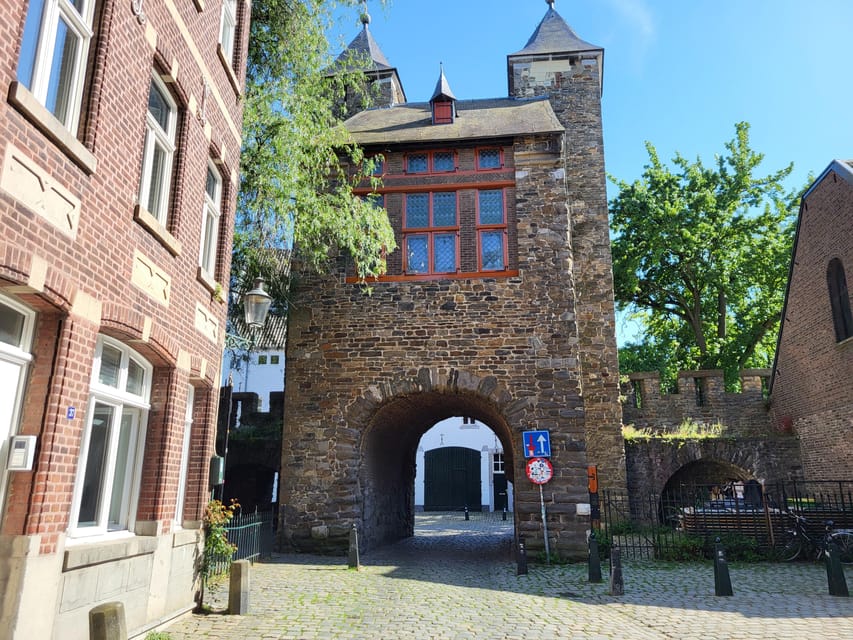
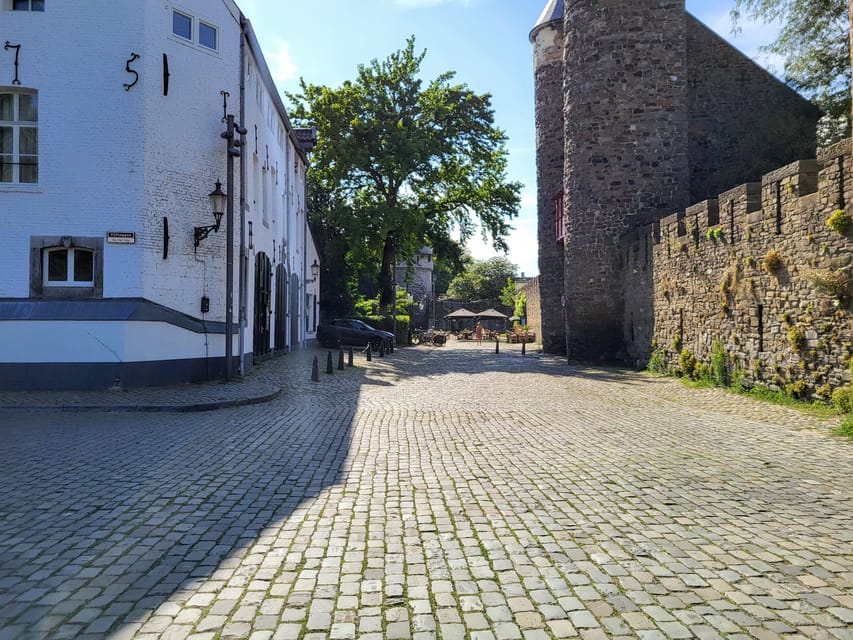
Helpoort is one of the route’s clearest reminders that Maastricht was a defended city. The gate gives the story a practical edge: walls and entrances mattered because Maastricht was a strategic place on the Maas.
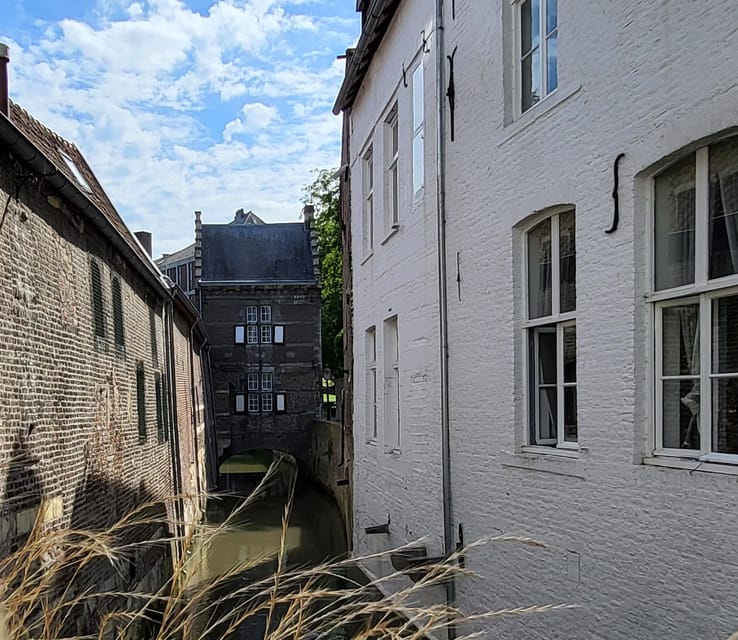
From here, the route continues into Jekerkwartier, an area known in the supplied route for its historic streets and older atmosphere. You move from a major defensive structure into a more intimate part of the city, where narrow lanes and historic houses become the focus.
I like this sequence because it changes the scale of the walk. Helpoort tells you about the city’s protection and military role. Jekerkwartier shows how that protected city was lived in. The route is still a guided walk, so comfortable shoes are sensible, even though the activity is only two hours.
The Jeker wall and Het Vagevuur
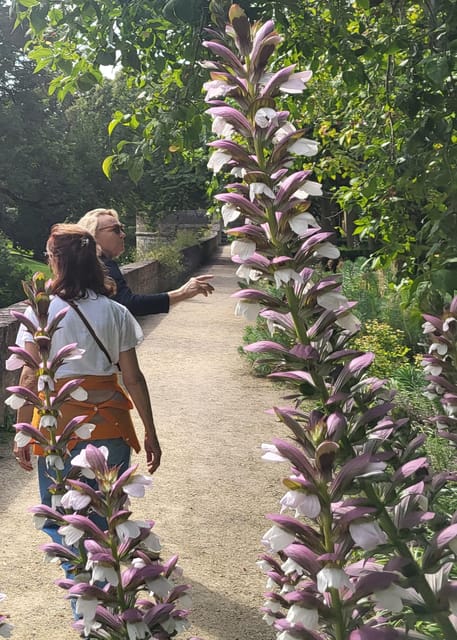
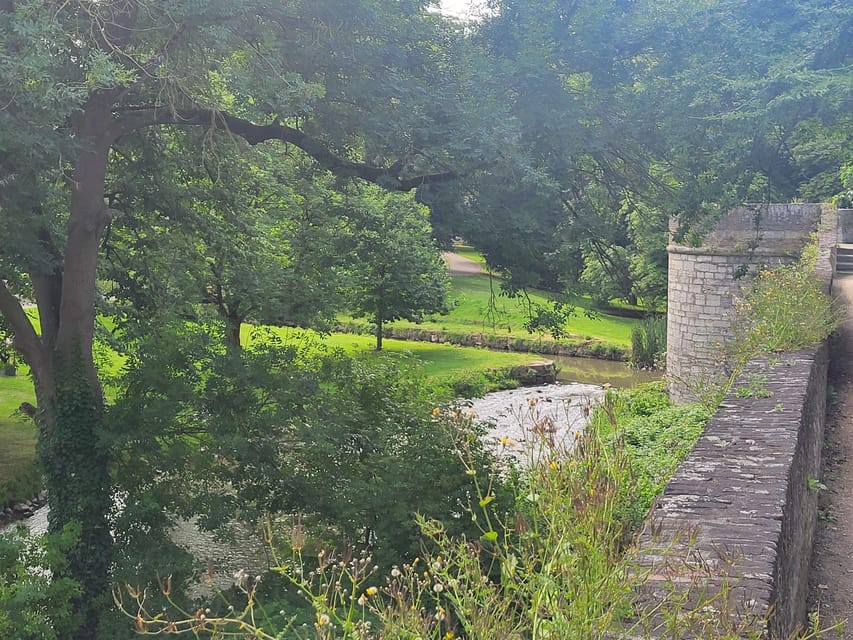
The city wall at the river Jeker continues the defensive story. This stop gives you another chance to see how Maastricht’s fortifications related to water and urban boundaries. The route does not simply point out one gate and move on. It uses several pieces of the old defenses to show how the city was organized.
Het Vagevuur is one of the more unusual names on the route and adds to the sense that Maastricht’s old center has layers that are easy to pass without explanation. Fons’s role here is particularly useful because a local guide can explain why a small place matters, even when it lacks the fame of a main square or basilica.
These stops are likely to appeal most to people who enjoy streetside history. You are not being promised a large exhibit or a long indoor visit. The value lies in seeing how the smaller places connect.
Vrijthof and the city’s public life
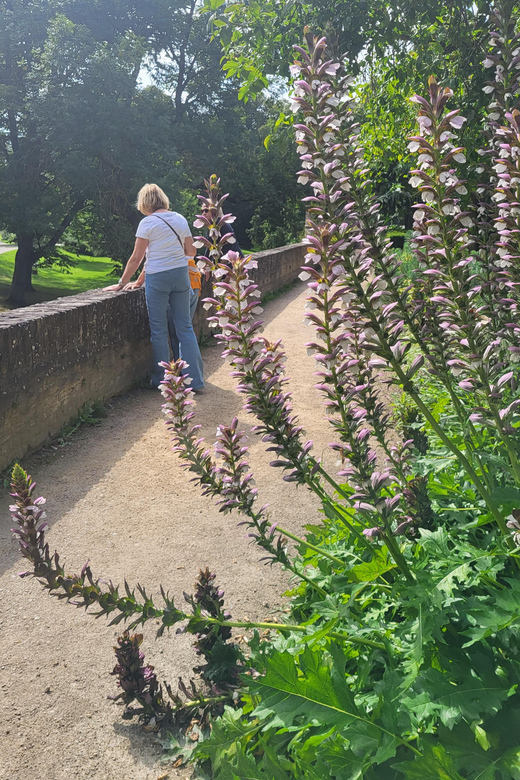
Vrijthof is Maastricht’s best-known public square on this route and a major change of mood after the quieter lanes. It is a place where the city’s history and present-day social life meet. Fons discusses the square as part of Maastricht’s public culture, including its cafés, markets, and festivals.
The square also gives you a useful pause in the story. Earlier stops focus on crossings, churches, gates, and walls. Here, you can consider how people gather in the city now. That connection helps the tour avoid becoming a dry march through old stones.
Expect a photo stop and guided explanation rather than a long break. The tour does not include café time, food, or drinks. If you want to sit down at Vrijthof, plan that before or after the walk.
Dominicanerkerkstraat and the return to Maastricht-Centrum
Dominicanerkerkstraat is among the final stops before you return to Maastricht-Centrum. The street brings the tour back to the small-scale side of the city, with historic lanes and buildings that reward careful looking.
Ending in the center is convenient. You can continue exploring, find a meal, or return to your hotel without arranging transport. Since pickup is included for hotels in the city, the start is simple as well.
The route is full for two hours. You will see a broad set of places, but each stop is presented as a photo stop and guided walk. That means the experience is best for orientation and storytelling. It is less suited to anyone who wants to enter several sites and spend a long time examining each one.
What the private format is worth at $235
The price is $235 per group of up to 14 people, not per person. For a full group, that works out to about $17 per person for two hours. That is a fair rate if you are traveling with a family, a school group, a club, or several friends.
For only one or two people, the cost feels much higher. You are paying for a private guide and a route that can be shaped around your interests, so the value depends on how much you care about personal attention. A large shared tour might cost less, but it would not offer the same control over questions and subject matter.
The strongest value comes from using the flexibility. Tell Fons if you want Roman history, medieval politics, local architecture, art, or food traditions to receive more attention. A private walk is most useful when you take advantage of the ability to steer it.
The price includes the guide, the walking tour, and pickup from a hotel in Maastricht. It does not include food, drinks, or museum tickets. The tour lasts two hours, so you can easily add a museum or meal afterward without losing an entire day.
Guide style and practical comfort
Fons Bollen leads in Dutch, German, or English. The available feedback points to a calm manner and a willingness to handle questions and group input, which matters on a private walk. One group specifically appreciated that he stayed patient with a challenging group and explained the city in an accessible way.
That suggests a good fit for groups that do not want a rushed script. You can ask questions as you go, and the tour is designed to respond to your interests. The same flexibility may be less important if you prefer a tightly timed checklist of attractions.
The activity is wheelchair accessible, though the supplied details do not explain the surface conditions or any specific access arrangements at every stop. If your group has particular mobility needs, discuss them when arranging the starting point and route.
Free cancellation is available up to 24 hours in advance for a full refund. You can also reserve now and pay later, which helps if your Maastricht plans are still taking shape.
Who should book this walk
I would choose this tour if you want a quick but thoughtful introduction to Maastricht before exploring on your own. It suits first-time visitors who want the Roman, medieval, and modern stories tied together instead of receiving isolated facts.
It also fits families and private groups well. The ability to ask questions, adjust the emphasis, and keep the same guide throughout is more useful with children or mixed interests than a fixed group schedule.
History fans should enjoy the Roman crossing, Op de Thermen, the basilica, Helpoort, and the city wall. Architecture lovers get churches, fortifications, old houses, and narrow lanes. People mainly interested in food should know that the route can include local cuisine as a topic, but no food or drinks are provided.
I would not choose it if your main goal is extensive interior access to churches, museums, or historic buildings. The tour visits many places from the outside and explains their role in the city’s story.
Should you book the Maastricht Hidden Gems Tour?
Book it if you want Maastricht to make sense quickly and you value a private guide over a low per-person price. Fons Bollen’s calm, open approach is a strong match for groups that like to ask questions, change direction, or focus on a particular part of the city.
The best value comes with several people sharing the $235 group price. At two hours, this is an introduction, not a full-day program, but it covers an unusually broad sweep: Roman origins, medieval power, churches, defenses, local streets, Vrijthof, and the Mestreechter Geis.
For a first morning or afternoon in Maastricht, I would consider it a practical choice. Use the walk to get your bearings, then return to the places that caught your attention.
FAQ
Where does the Maastricht walking tour begin?
The tour begins in Maastricht-Centrum, with pickup available from hotels in the city.
How long does the tour last?
The walking tour lasts approximately two hours.
How much does the tour cost?
The price is $235 for a private group of up to 14 people.
Is the tour private?
Yes. The experience is offered as a private group tour.
Which languages does Fons Bollen speak during the tour?
The guide offers the tour in Dutch, German, and English.
Is hotel pickup included?
Yes. Pickup is included from hotels located in the city.
Is the walking tour wheelchair accessible?
Yes, the activity is listed as wheelchair accessible.
Are food, drinks, or museum tickets included?
No. Food, drinks, and museum tickets are not included.
Can I cancel or pay later?
You can cancel up to 24 hours in advance for a full refund. Reserve now and pay later is also available.
Just added around Maastricht & Limburg
- Maastricht Medieval Mystery: Interactive City Game & Tour★ 4.0 · 25 reviews
- Kerkrade: Discovery Museum Entry Ticket★ 4.6 · 25 reviews
- Discover Maastricht with a self-guided Outside Escape city game★ 5.0 · 29 reviews
- Explore Maastricht with Passionate Tour Guides★ 3.9 · 32 reviews
- Hoensbroek: Entry Ticket to Hoensbroek Castle★ 4.5 · 37 reviews
- GaiaZOO Entry Ticket★ 4.4 · 39 reviews
- Valkenburg: Municipal Cave Guided Tour★ 4.5 · 47 reviews
- 2H Walking Tour Maastricht★ 4.8 · 57 reviews
Jordaan & Hidden Gems Walks, compared.

10 Tastes of Amsterdam: Food Tour by UNESCO Canals and Jordaan
Read our review →
Amsterdam Jordaan Food & Drinks Tour with Eating Europe
Read our review →

Red Light Secrets: Museum of Prostitution Amsterdam
Read our review →
Cruise Amsterdam like a Local — Small Group 12 pax
Read our review →
Amsterdam Food Tour of 10+ Local Classic Tastings in Jordaan Area
Read our review →Browse the lists this tour appears in