
Reviewed · LEIDEN TOURS
Leiden: Hortus Botanicus Entry Ticket
The most remarkable thing here is the garden’s age. Founded in 1590, Leiden’s Hortus Botanicus was already growing plants when the Netherlands’ botanical tradition was taking shape. It is also linked to the first tulips grown in Europe, giving a simple garden visit an unusually strong connection to Dutch history.
I like the mix of world plants and old trees, especially the Southeast Asian orchids, carnivorous plants, and nearly 30 monumental trees. I also like the freedom to set your own pace, with no fixed tour group to hurry you along. The main consideration is that the visit is fairly short, about 90 minutes, so serious plant lovers may want more time than a typical sightseeing stop allows.
In This Review
- Key points
- Why Leiden’s 1590 garden is worth your time
- Starting at the Front Garden and Clusius Garden
- Following the plant exchange between Japan and the Netherlands
- The glasshouse, tropical orchids, and Southeast Asian plants
- Carnivorous plants and plants under threat
- Timing your visit around three seasonal stars
- The nearly 30 old trees give the garden its calm
- How much value do you get for $13?
- A simple route for your 90-minute visit
- Who will enjoy this Leiden garden most?
- Booking and practical details
- Should you book Hortus Botanicus Leiden?
- FAQ
- Where is Hortus Botanicus Leiden located?
- How old is Hortus Botanicus Leiden?
- How long does the visit usually take?
- What does the ticket include?
- Are food and drinks included?
- What kinds of plants can I see?
- Does the garden have a Japanese Garden?
- When can I see the jadevine?
- When does Victoria amazonica flower?
- Is the botanical garden wheelchair accessible?
Key points
- Founded in 1590: Visit the oldest botanical garden in the Netherlands and the place associated with Europe’s first tulips.
- Southeast Asian plant collections: Expect tropical orchids and other plants from warm parts of the world.
- Seasonal highlights: Look for jadevine in March and April, Victoria amazonica from June to September, and Chinese lotus in July.
- Historic garden sections: See the Front Garden, Clusius Garden, Japanese Garden, and a newer glasshouse.
- Almost 30 monumental trees: Some trees are more than 100 years old and give the outdoor paths a calm, shaded feel.
- Practical visit: The ticket is valid for one day, food and drinks cost extra, and the garden is wheelchair accessible.
Why Leiden’s 1590 garden is worth your time
Hortus Botanicus Leiden is not simply a patch of flowers beside a university. Its story begins in 1590, making it the oldest botanical garden in the Netherlands. That date matters because the garden was created during an age when plants arrived in Europe through trade, scientific study, and long-distance contact.
The tulip connection adds another layer. The first tulips grown in Europe were cultivated here, so the garden offers more than pretty beds and glasshouses. You are walking through a place tied to one of the Netherlands’ most famous flowers before it became a national symbol.
I would allow about an hour and a half for a normal visit. That is enough time to see the main garden areas, enjoy the glasshouse, and stop for a closer look at unusual plants. If you read every label or visit during a major seasonal display, you may want to stay longer.
A few more Amsterdam half-days to weigh up
- Leiden: Guided City Canal Cruise
★ 4.6 · 724 reviews - Leiden: Cruise through the Historic City Center with Guide
★ 4.6 · 445 reviews - Leiden: Electric Boat Rental
★ 4.8 · 168 reviews
Starting at the Front Garden and Clusius Garden
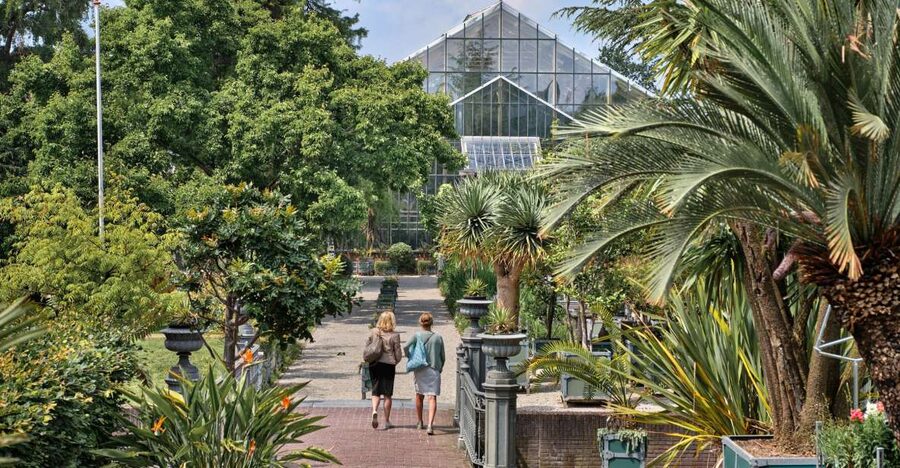
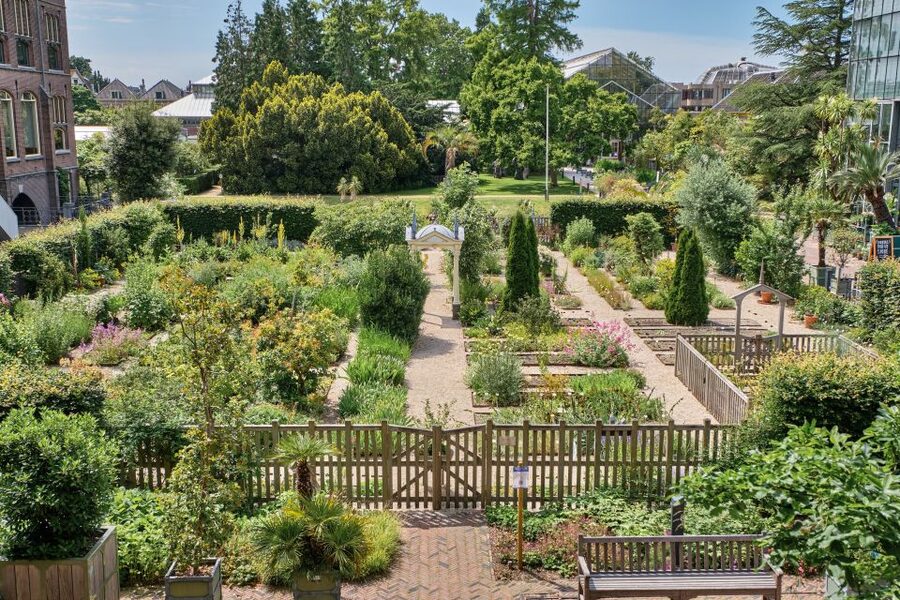
After exchanging your ticket at the front gate, you can begin at your own pace. The Front Garden gives you an easy introduction to the site, with a mixture of outdoor planting and views toward the more specialized areas.
The Clusius Garden is one of the most important stops for anyone interested in the garden’s past. It connects the present-day collection with the early work of botanical gardens, where plants were recorded, grown, and exchanged. I would not rush through this section simply to reach the tropical rooms. It helps explain why this place exists.
A recently built glasshouse adds a more modern note. The contrast works well: old garden traditions outside, controlled growing conditions inside. You can move from open-air paths to warm, humid plant displays without needing a full-day commitment.
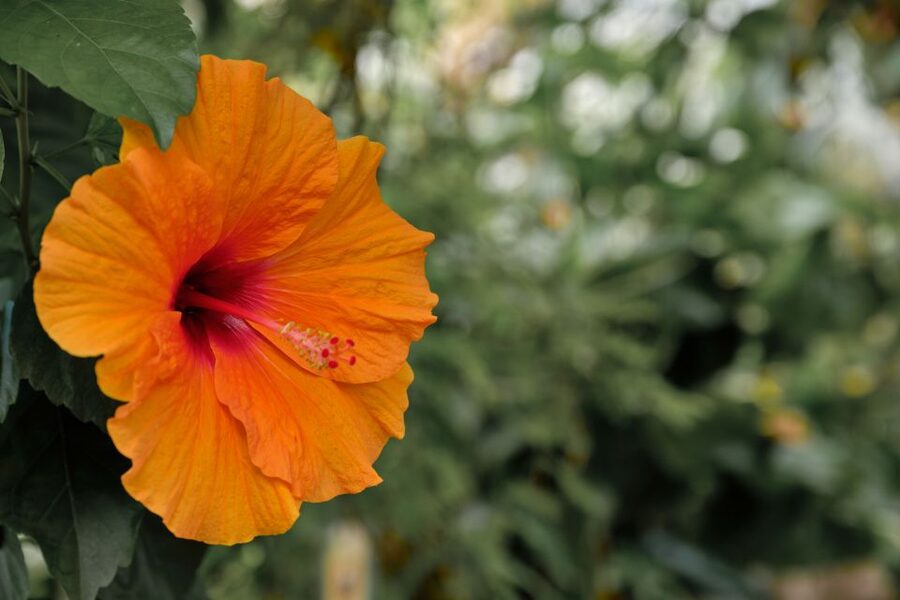
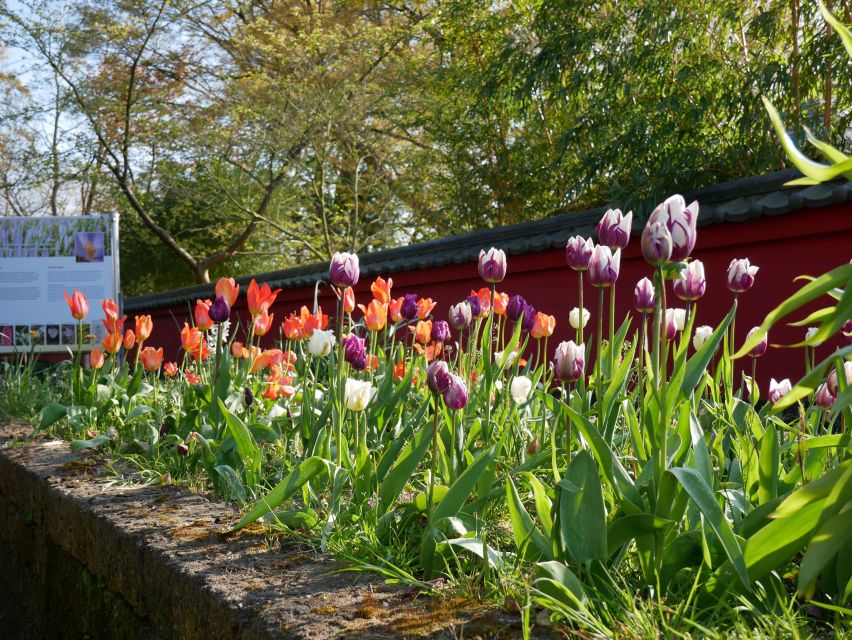
Spring is a particularly appealing time for the outdoor areas because flowering bulbs bring strong seasonal color. Autumn offers a different mood, with leaves changing around the old trees. The garden is not tied to one perfect month, but the plants you see will depend heavily on the season.
Following the plant exchange between Japan and the Netherlands
The Japanese Garden focuses on the historic exchange of plants between Japan and the Netherlands. This is not just a decorative corner. It shows how botanical gardens can reflect contact between countries through plants, gardening methods, and collecting.
I like this part for the change of pace. After the formal connection to tulips and the early garden, the Japanese section gives you a quieter walk and a different planting style. It is also a good reminder that the garden’s collections come from many parts of the world, not only from Europe.
Do not expect every section to look equally dramatic. Some areas are at their best when you slow down and notice the planting arrangement, tree shapes, or smaller details. If you are visiting with children or someone who prefers large displays, the tropical rooms and carnivorous plants may provide more immediate appeal.
The glasshouse, tropical orchids, and Southeast Asian plants
The glasshouse is likely to be the most atmospheric part of the visit. Inside, tropical orchids and other plants from Southeast Asia create a marked change from Leiden’s outdoor climate. The collection lets you picture the plant life of a tropical region without leaving the city.
Orchids are a major attraction, but the value is not limited to their flowers. Tropical collections show the range of forms plants use to grow in warm, humid conditions. You might find unusual leaves, climbing growth, and flowers that look very different from familiar garden plants.
This section also works well when the weather is poor. A cold or rainy day can make an outdoor garden less inviting, while a warm glasshouse gives the visit a clear focus. On a busy day, the indoor areas may feel tighter than the open paths, so take your time and let other people pass before stopping in front of a display.
The garden’s emphasis on Southeast Asian plants gives it a stronger identity than a general public park. You are not just looking at seasonal bedding plants. You are seeing plants gathered from far beyond the Netherlands, including rare and endangered species.
Same city, a completely different afternoon:
- Amsterdam: Van Gogh Museum Ticket
★ 4.7 · 52,054 reviews - Amsterdam Classic Saloon Boat Cruise with Drinks and Cheese
★ 5.0 · 31,825 reviews - Amsterdam Luxury Canal Cruise + Unlimited Drinks & Bites option
★ 5.0 · 30,518 reviews - Amsterdam: Heineken Experience Ticket
★ 4.6 · 30,055 reviews
Carnivorous plants and plants under threat
The carnivorous plant collection brings a touch of drama. These plants catch insects, and their unusual shapes often make them a favorite stop for visitors who are less interested in botanical labels or plant classification.
I would save this area for the middle of your visit, after the outdoor sections and before a second look at any favorite glasshouse display. The carnivorous plants provide a useful contrast with the orchids. One group suggests delicate tropical beauty, while the other has a more functional, unusual way of surviving.
The garden also includes plants that are endangered worldwide. That gives the collection a purpose beyond display. Botanical gardens can help preserve species, show them to the public, and make the loss of plant life easier to understand.
The available information does not specify individual species or conservation programs, so I would not expect a detailed conservation tour from this entry ticket alone. Think of the endangered plants as part of the collection you can encounter during a self-guided visit, not as a separate lecture or scheduled presentation.
Timing your visit around three seasonal stars
The seasonal plants are one of the strongest reasons to return at a different time of year. Three named highlights are especially useful when planning:
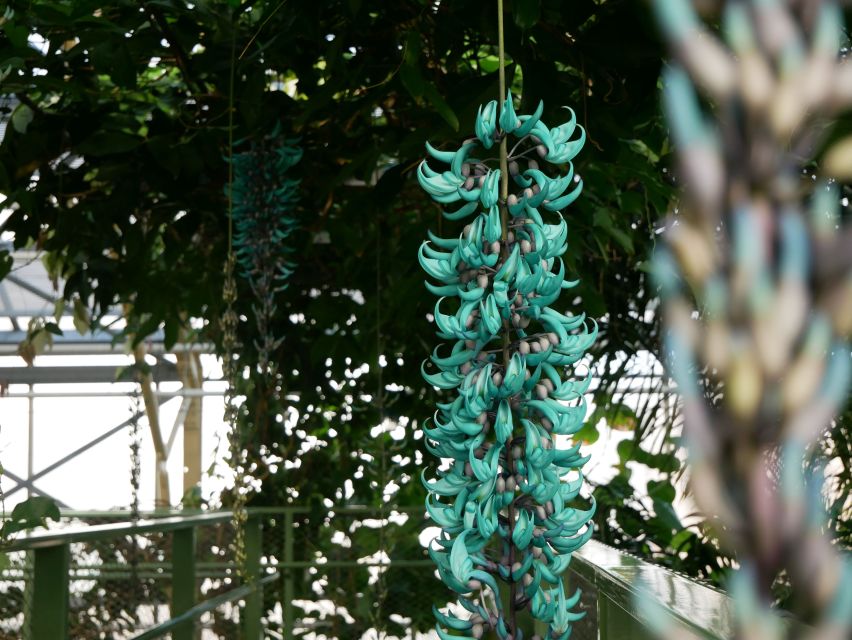
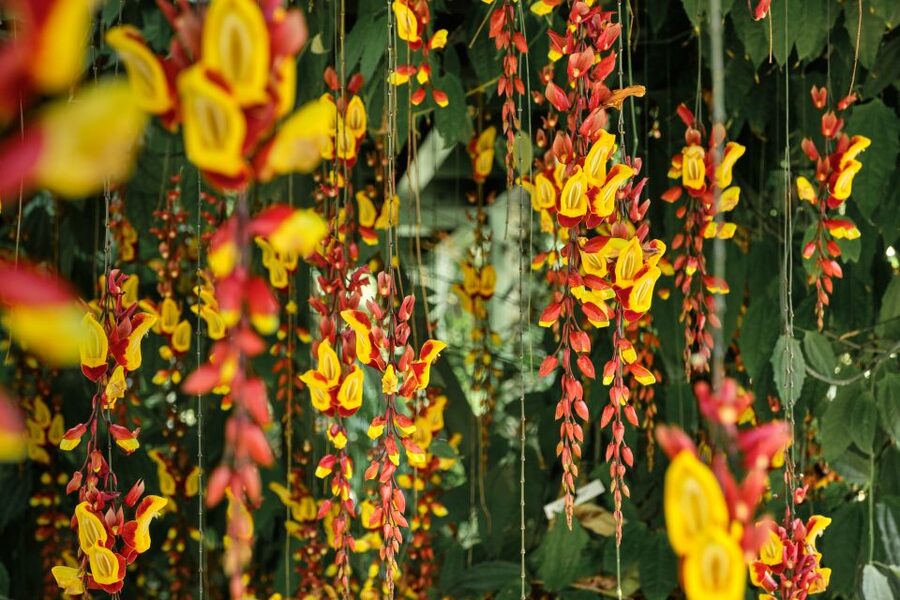
- Jadevine: Usually flowering in March and April. Its unusual color and shape make spring a good time for a tropical plant visit.
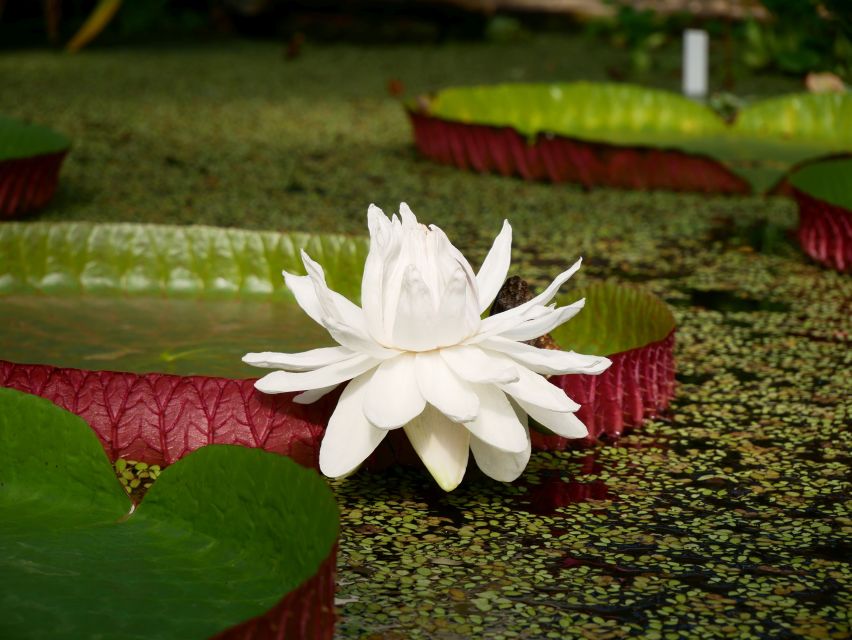
- Victoria amazonica: Usually flowering from June through September. This giant water lily is one of the garden’s major warm-season attractions.
- Chinese lotus: Usually flowering in July. Summer visitors have the best chance of seeing it in bloom.
These dates are helpful, but flowering is never a promise made by the calendar alone. Weather and growing conditions can affect the display. If one particular plant is your main reason for visiting, check current conditions before you go.
Spring bulbs and autumn trees make the outdoor garden worthwhile outside those flowering windows. I would choose the season based on your wider Leiden plans. A spring visit fits well with bulb viewing, while autumn is better for a slower walk under old trees.
The nearly 30 old trees give the garden its calm
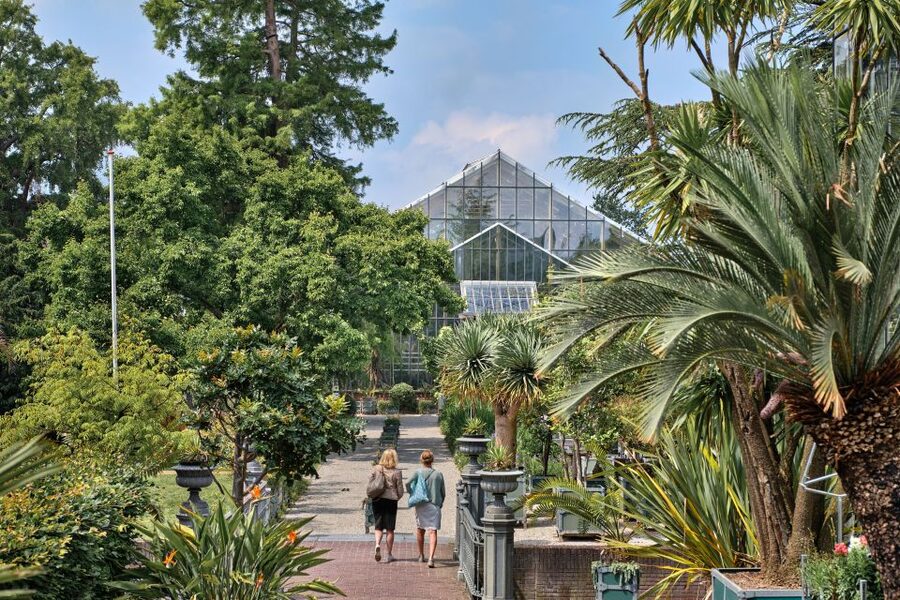
The plant collections receive most of the attention, but I would not skip the trees. The garden contains almost 30 monumental trees, and some are more than a century old.
They change the feel of the visit. Tropical plants and seasonal flowers can be visually busy, while large old trees create open, restful stretches between the collection areas. In autumn, the trees become a reason to visit in their own right.
You may also appreciate them if you are not a dedicated gardener. You do not need to know the species to enjoy the scale and age of a tree that has been growing for generations. The outdoor paths offer a chance to slow down, take photographs, and give your eyes a break from glasshouse displays.
This is one reason I would avoid treating Hortus Botanicus as a quick tick-box attraction. Ninety minutes is enough for the main sights, but the garden rewards an unhurried pace. If you have extra time, sit with the setting rather than trying to see every plant.
How much value do you get for $13?
At $13 per person, the ticket is reasonably priced for a historic garden with indoor and outdoor collections. You are paying for access to a place with more than four centuries of botanical history, not just a temporary flower show.
The value is strongest if you care about plants, old gardens, seasonal displays, or quiet city stops. It is also a useful choice when you want an activity that does not require a guide, a long transfer, or a full day.
The value is weaker if you expect a large attraction with constant entertainment or a tightly planned guided route. The ticket includes entry only. Food and drinks are not included, and Dutch or English assistance does not turn the visit into a scheduled private tour.
I would compare it with the cost of other short cultural visits in Leiden. For a modest price, you get about 90 minutes of sightseeing and the option to stay within the ticket’s one-day validity. That flexibility helps if you want to combine the garden with other plans and adjust your timing.
A simple route for your 90-minute visit
If you want a clear plan, I would use this order:
- Start at the Front Garden to get oriented.
- Walk through the Clusius Garden and consider the tulip connection.
- Visit the Japanese Garden for the plant exchange story between Japan and the Netherlands.
- Spend the longest stretch in the glasshouse, especially around the tropical orchids.
- See the carnivorous plants and look for seasonal highlights.
- Finish outdoors among the monumental trees.
- Stop at the Grand Café or souvenir shop if you want a final break.
This route is not mandatory. You can reverse it if the glasshouse is crowded or if the weather makes the outdoor paths more appealing first.
The Grand Café is useful at the end, but remember that food and drinks are not part of the admission price. The souvenir shop gives you one last stop before leaving, though the ticket itself covers only the garden entry.
Who will enjoy this Leiden garden most?
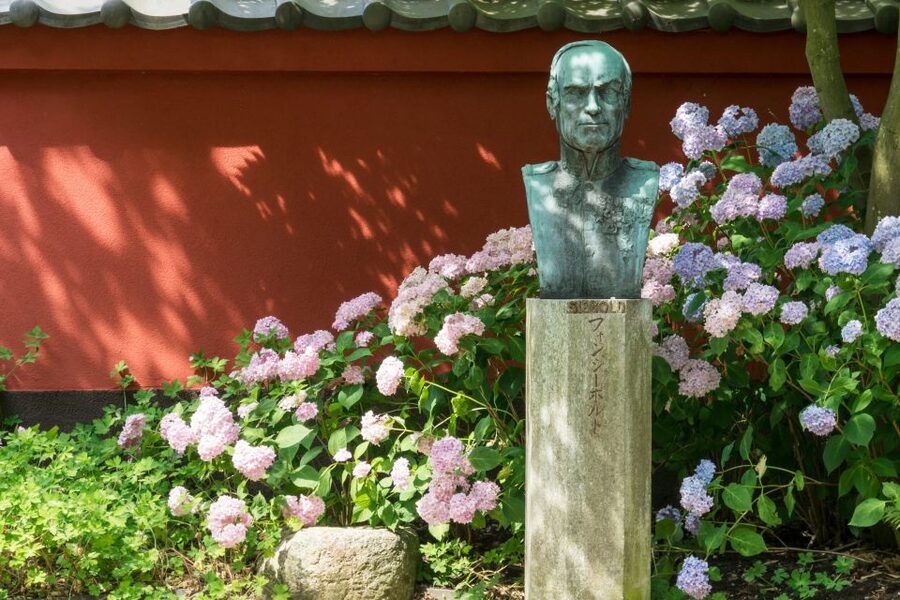
I would recommend Hortus Botanicus Leiden to plant lovers, photographers, history-minded visitors, and anyone who wants a calm break from busy sightseeing. The combination of old trees, historic garden sections, orchids, carnivorous plants, and seasonal flowers gives different kinds of visitors something to notice.
Families may like the unusual plants, especially the carnivorous collection. The visit is short enough to fit into a larger day, though young children may not care about the garden’s full historical context.
It is also a good choice for visitors with limited time. The main experience can fit into 90 minutes, and the one-day validity gives you room to plan around other stops. Since the garden is wheelchair accessible, it can suit visitors who need a more manageable attraction, though the supplied information does not describe individual paths or facilities in detail.
The garden may not suit you if you want a guide-led tour, a major flower festival, or an activity packed with performances and events. This is a self-paced visit built around observation.
Booking and practical details
The ticket is valid for one day, with starting times shown when you check availability. Dutch and English are the listed languages, and the experience has a host or greeter in those languages.
You can cancel up to 24 hours in advance for a full refund. A reserve-now-and-pay-later option is also available, which can help if your Leiden schedule is still changing.
The overall rating is 4.1 out of 5 from 63 reviews. I would read that as a solid sign for a pleasant, well-focused garden visit, while keeping expectations in check. This is not an all-day attraction for everyone, and its appeal depends on your interest in plants and quiet historical places.
Should you book Hortus Botanicus Leiden?
Book it if you want a low-stress Leiden stop with genuine age, unusual plant collections, and enough variety to keep a 90-minute visit interesting. The strongest reasons are the 1590 foundation, the first-European-tulip connection, the Southeast Asian orchids, and the old trees.
Skip it if you want a guided experience or if you are visiting at a time when seasonal flowers are your only priority. The collection changes with the calendar, so check the flowering period for jadevine, Victoria amazonica, or Chinese lotus before booking.
For most visitors who enjoy gardens, the $13 price is fair. I would place it on a flexible day in Leiden, then give yourself time to linger in the glasshouse and under the old trees instead of rushing straight back to the next major sight.
FAQ
Where is Hortus Botanicus Leiden located?
It is in Leiden, in South Holland, Netherlands.
How old is Hortus Botanicus Leiden?
The botanical garden was founded in 1590, making it the oldest botanical garden in the Netherlands.
How long does the visit usually take?
The suggested visit takes about one and a half hours, though your ticket is valid for one day.
What does the ticket include?
The ticket includes entry to the botanical gardens.
Are food and drinks included?
No. Food and drinks are not included in the admission ticket. The garden also has a Grand Café where you can stop during or after your visit.
What kinds of plants can I see?
You can see plants from around the world, with a main focus on Southeast Asia. The collections include tropical orchids, carnivorous plants, endangered plants, seasonal flowers, and old trees.
Does the garden have a Japanese Garden?
Yes. The Japanese Garden presents the historic exchange of plants between Japan and the Netherlands.
When can I see the jadevine?
The jadevine usually flowers in March and April.
When does Victoria amazonica flower?
Victoria amazonica usually flowers from June through September.
Is the botanical garden wheelchair accessible?
Yes. The experience is listed as wheelchair accessible.
Just added around Amsterdam
- Amsterdam: Food and Canal Tour★ 4.6 · 22 reviews
- Segway City Tours Amsterdam★ 4.3 · 23 reviews
- Amsterdam Canal Cruise in Classic Salon Boat With Drinks and Cheese★ 4.0 · 22 reviews
- Discover Deventer with an Outside Escape city game tour!★ 4.5 · 23 reviews
- Historical Walking Tour, private with local Dutch guide★ 5.0 · 23 reviews
- Utrecht Food Tour on a Bicycle with local guide★ 5.0 · 23 reviews
- Amsterdam: Captain For a Day 2-Hour Boat Rental★ 4.9 · 23 reviews
- Amsterdam Small-Group Breakfast Morning Cruise★ 5.0 · 23 reviews
Leiden Tours, compared.
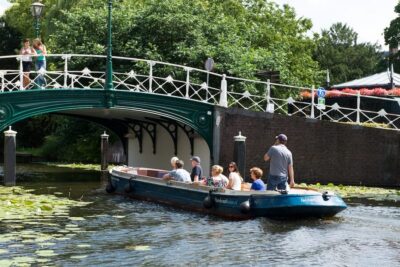
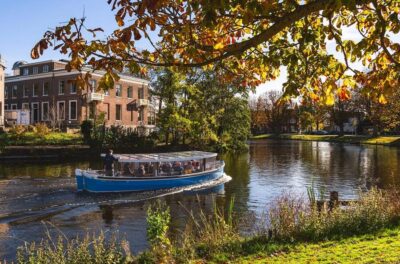
Cruise through the Historic City Center with Guide
Read our review →


Leiden Tour with Live guide and Visit to Rembrandt’s First Studio
Read our review →
Alphen aan den Rijn: 15-Minute Flyboard Experience
Read our review →Browse the lists this tour appears in