
Reviewed · ZAANSE SCHANS & WINDMILL TRIPS
Amsterdam: Windmill Guided Tour
The most useful lesson here is simple: Amsterdam stays dry because machines like this keep moving water. At Sloten Windmill, you do not just photograph a Dutch windmill. You enter a working 19th-century water-pumping mill and see the system that protects low-lying Amsterdam West.
I like the turning sails and the clear explanation of Dutch water control. I also like the small-scale feel, since a quiet visit can lead to a very personal tour, as it did for one couple whose guide answered their technical questions while the miller adjusted the brake on the sails. The main consideration is the short 45-minute visit, which gives you a focused introduction rather than a long museum outing.
In This Review
- Key points to know before you go
- Why Sloten Windmill is more than a photo stop
- Starting at the souvenir shop
- Inside the 1847 water-pumping mill
- Climbing through Sloten and Old Osdorp
- Rembrandt’s wax figures in the attic
- Views over the Ringvaart Canal
- What the $9 price gives you
- Who will enjoy this short Amsterdam outing
- Timing, access, and booking details
- Should you book the Sloten Windmill tour?
- FAQ
- How long does the Sloten Windmill tour last?
- How much does the tour cost?
- What is included in the price?
- Where does the guided tour begin?
- Which languages are available?
- Is the windmill still working?
- Can children join the tour?
- Is the tour wheelchair accessible?
- Can I cancel the booking?
Key points to know before you go
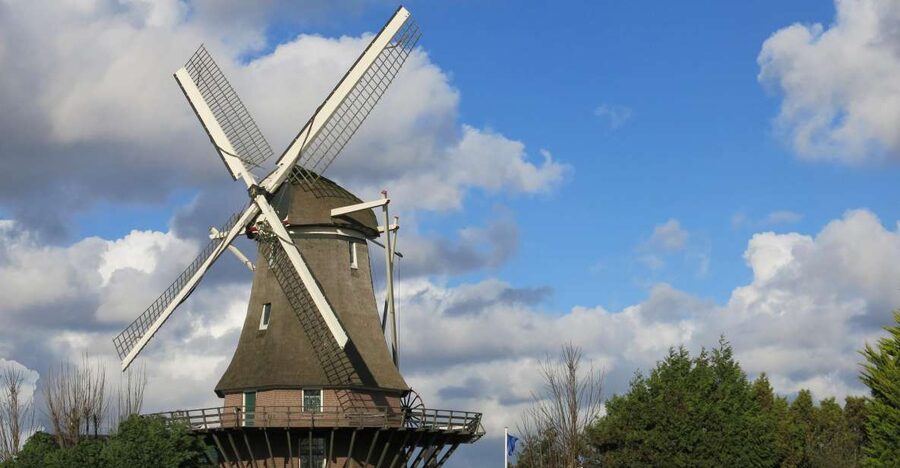
- A real working water pump: The 1847 mill still helps control water levels in Amsterdam West.
- A climb with a purpose: Your guide explains the machinery as you move upward, ending with views over the Ringvaart Canal.
- A rare public windmill visit: Sloten is one of the few windmills open for people to enter.
- A small museum surprise: The attic contains wax figures painted by Rembrandt van Rijn.
- A family-friendly lesson: Children can see how Dutch engineering keeps homes and fields dry, though anyone under 12 needs an adult.
- A strong value at $9: Entrance and a live guided tour are included, making this a low-cost way to add working Dutch history to your Amsterdam day.
Why Sloten Windmill is more than a photo stop
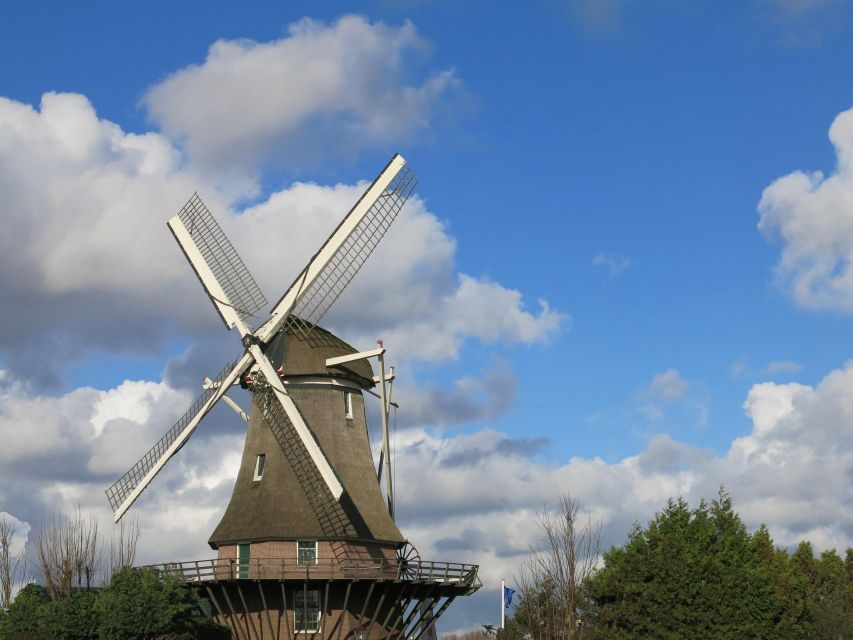
Amsterdam’s windmills are easy to admire from the outside. Their sails turn, their roofs look charming, and cameras come out. Sloten Windmill gives you the part many quick photo stops miss: an explanation of what the mill actually does.
This is a water-pumping mill, not simply a decorative relic. Amsterdam West sits in a low-lying area where water levels must be managed. The mill’s job is to help move water and protect the surrounding area from flooding. That makes the visit a useful introduction to the basic Dutch effort to keep land dry and livable.
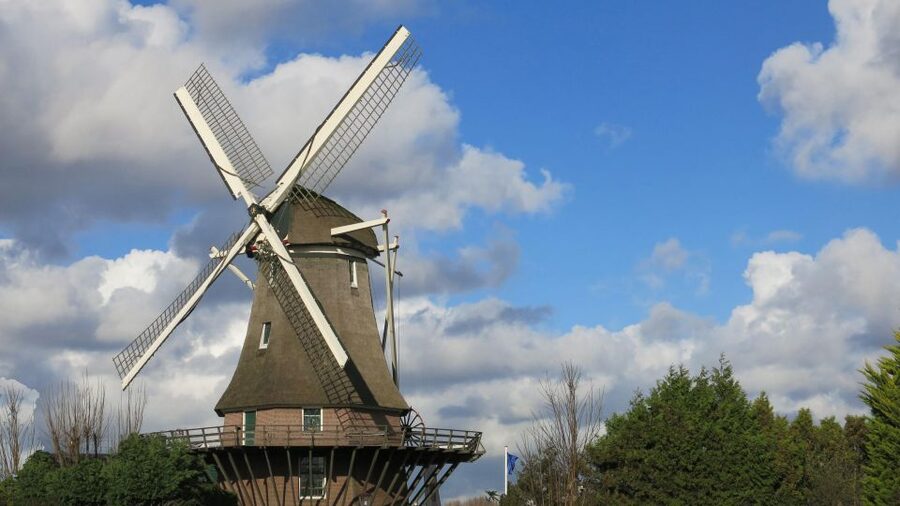
The mill dates from 1847 and remains functional. You can see the sails turning when conditions allow, and the guide explains how the mechanism works. One especially nice detail from a recent visit was a miller adjusting the brake on the sails during the tour. That sort of working maintenance gives the place more life than a static exhibit.
I would choose this experience if you want to understand a practical side of the Netherlands. You will still get the classic thatched roof, oak construction, canals, and open views, but the focus is on engineering and daily survival rather than postcard scenery alone.
More windmill trips from Amsterdam:
- From Amsterdam: Zaanse Schans, Volendam, and Marken Day Trip
★ 4.4 · 15,931 reviews - Amsterdam: Zaanse Schans, Edam, Volendam & Marken Bus Tour
★ 4.6 · 15,034 reviews - Day Trip to Zaanse Schans, Edam, Volendam and Marken from Amsterdam
★ 5.0 · 5,392 reviews
Starting at the souvenir shop
The guided tour begins at the entrance to the souvenir shop at Molen Van Sloten. That detail matters because the windmill complex also includes the Kuiperij Museum, and you will want to head to the correct entrance for the guided visit.
The activity lasts 45 minutes. That is long enough for a proper explanation of the mill without taking over your whole day. I see it fitting well before or after another Amsterdam West activity, especially if you want a short outing with a clear subject rather than another large museum.
Your guide leads the visit in English, Dutch, or German. The staff includes volunteers, and their personal interest in maintaining the mill comes through in the way the tour is handled. One recent visitor found the guide both friendly and technically detailed, while another noted that the guide listened carefully and answered questions. That is useful here, since windmill machinery can seem confusing if you only hear a memorized speech.
The tone should suit families and adults alike. Children get moving parts and turning sails. Adults get the water-management story, the old villages connected with the mill, and a better sense of why windmills mattered.
Inside the 1847 water-pumping mill
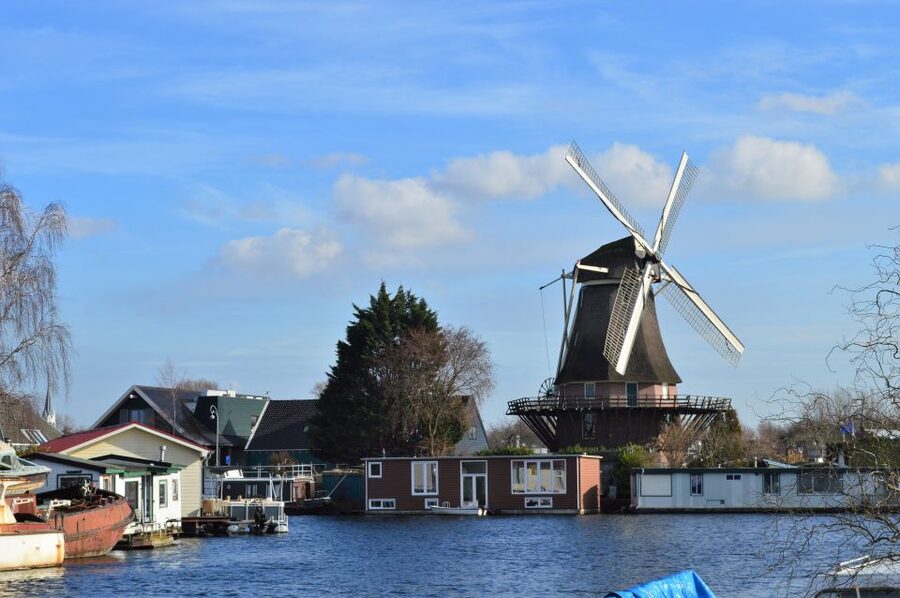
Before you enter, take a moment to look at the building itself. The thatched roof and sturdy oak construction make Sloten look like the Dutch windmill most people hope to see. Inside, though, the structure feels less like a pretty object and more like a machine built for work.
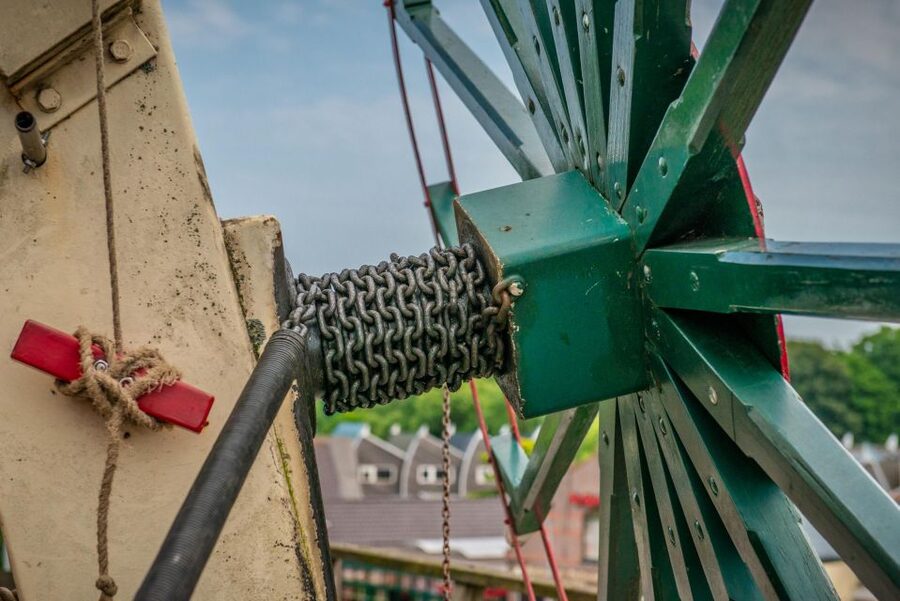
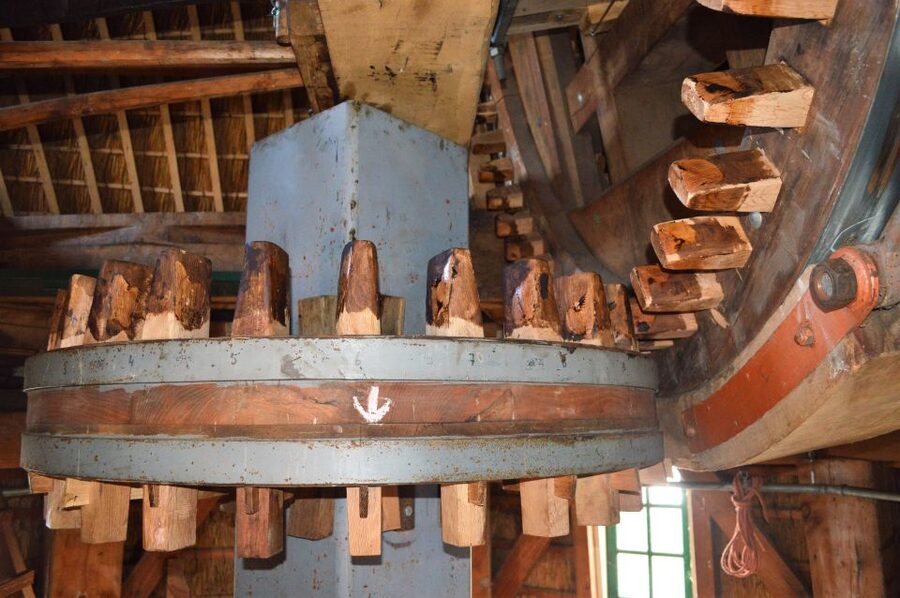
Your guide explains how the mill uses wind power to pump water. You will see the sails turning and learn what the different parts do. The supplied information does not promise that the sails turn during every visit, since wind conditions and maintenance can affect operation, but the mill is described as fully functioning.
That distinction is important. You are not guaranteed a dramatic full-speed performance, yet the working status gives the explanation real weight. The guide can connect the gears, sails, brake, and water movement to the mill’s job. If you are curious, ask questions. A recent tour included technical details about the machinery, and the guide adjusted the explanation to the group.
The interior also brings the scale of the building home. As you climb, the mill changes from a charming object seen from the path into a compact workplace with moving parts and working mechanisms. Visitors who dislike tight or steep interiors should keep that in mind, although the activity is listed as wheelchair accessible.
Climbing through Sloten and Old Osdorp
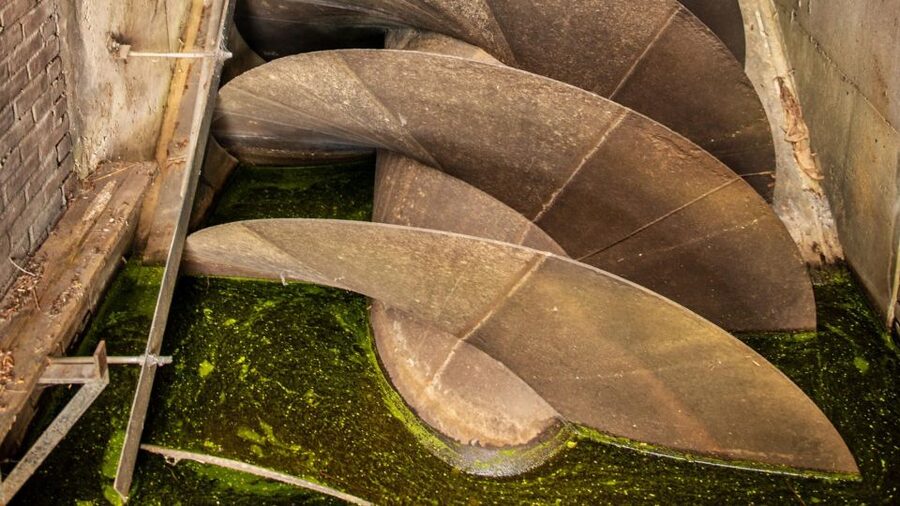
The tour is not only about gears. As you go higher, your guide tells stories connected with Sloten and Old Osdorp, nearby villages that help place the windmill in its local setting.
This is one of the better reasons to choose a guided visit over taking a quick photograph. The names and local stories give the mill a connection to the communities around it. You begin to see the building as part of a water system and a settled area, not as an isolated country ornament.
The visit moves upward through the windmill, so the tour has a natural rhythm. You start with the building and its purpose, follow the working parts, hear about nearby villages, and finish with the upper sections and views. In 45 minutes, that structure keeps the experience focused.
The climb may be the least comfortable part for some people. The information provided does not give details about stair width or the exact route, so you should consider your own mobility needs. The activity is listed as wheelchair accessible, but it is still sensible to confirm how that access works if you require specific assistance.
A few more Amsterdam half-days to weigh up
- Amsterdam: Van Gogh Museum Ticket
★ 4.7 · 52,054 reviews - Amsterdam Classic Saloon Boat Cruise with Drinks and Cheese
★ 5.0 · 31,825 reviews - Amsterdam Luxury Canal Cruise + Unlimited Drinks & Bites option
★ 5.0 · 30,518 reviews - Amsterdam: Heineken Experience Ticket
★ 4.6 · 30,055 reviews
Rembrandt’s wax figures in the attic
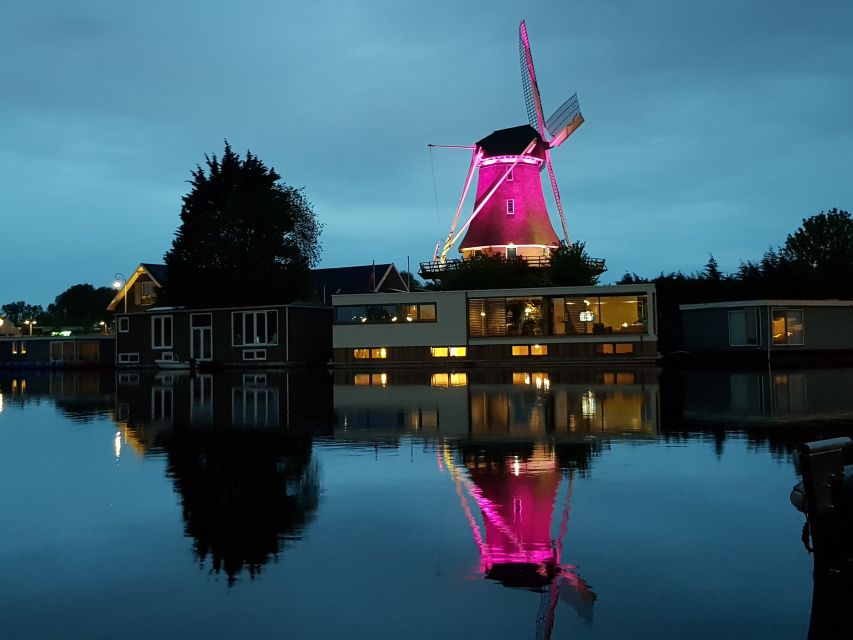
The attic adds an unusual twist. Here you find wax characters painted by the famous Dutch artist Rembrandt van Rijn.
This is not the main reason I would book the mill, but it gives the tour a memorable final detail. A water-pumping windmill already has a strong practical story. The wax figures add a touch of art and theatrical history, which can help keep younger children interested as the tour moves through the machinery.
The supplied details do not identify each figure or explain the full display, so I would treat this as a small feature rather than a full Rembrandt exhibit. Still, it is a pleasant surprise, especially for visitors who like their historic sites to contain something unexpected.
The attic also fits the route well. After hearing how the windmill works and why water control matters, you reach a space with a different mood. Then the tour takes you to the views at the top.
Views over the Ringvaart Canal
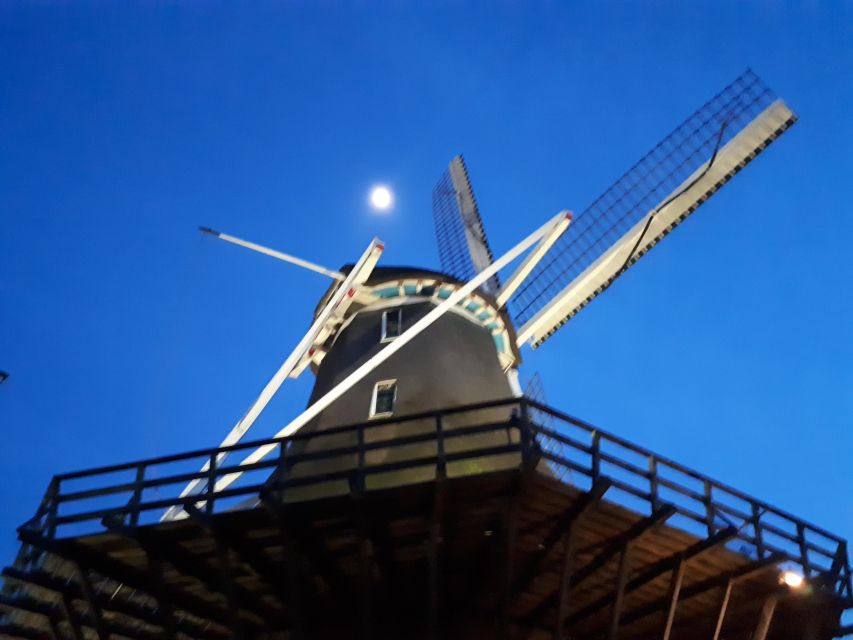
From the upper part of the mill, you can look over the Ringvaart Canal and the surrounding area. The view helps explain the story you have just heard. Canals are not merely attractive lines through the Dutch countryside. They are part of the system that carries, stores, and controls water.
The panorama is likely to be the visual highlight of the visit. You get a sense of the low-lying setting and see how water is woven into the area around Amsterdam West. It is a useful contrast with central Amsterdam, where canals are usually presented through architecture, bridges, and city life.
Do not expect a long scenic overlook or a separate sightseeing platform. The view is part of the windmill visit and comes near the top of the climb. Its value comes from the connection between what you see and what the guide has explained.
I would bring a camera, but I would give the machinery and the water story equal attention. The best part of the view is understanding why the canal is there and how the mill fits into the system.
What the $9 price gives you
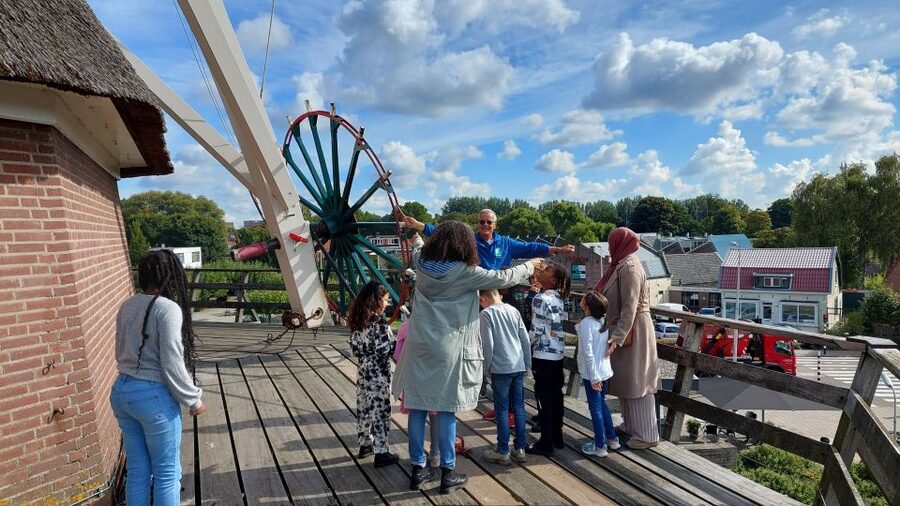
At $9 per person, this is one of the easier Amsterdam experiences to justify. The price includes entrance and the live guided tour. You are paying for access to a working windmill, an explanation in your chosen tour language, and a short local history lesson.
The value is strongest if you want substance without committing half a day. A 45-minute tour can fit into a busy itinerary, and the low price reduces the risk if you are unsure how much you enjoy industrial or engineering history.
Food and drinks are not included, and hotel pickup and drop-off are not included. The meeting point is the souvenir shop entrance, so you need to arrange your own way to the windmill. The supplied information does not give a transport route or travel time, so check your route before booking and allow enough time to arrive at the starting point.
The price also makes this a useful family option. A whole family can get an explanation of Dutch water control for far less than the cost of many major Amsterdam attractions. The short duration helps if children have limited patience, though anyone under 12 must be accompanied by an adult and unaccompanied minors are not allowed.
Who will enjoy this short Amsterdam outing
I would recommend Sloten Windmill to several kinds of visitors:
- Families: The turning sails, climbing route, wax figures, and practical water story give children several things to notice.
- First-time visitors to the Netherlands: You get a clear explanation of one of the country’s most important practical challenges.
- Windmill fans: This is a chance to enter a working mill instead of viewing one only from the outside.
- Architecture and engineering enthusiasts: The oak structure and pumping mechanism provide plenty to study.
- Budget-conscious visitors: At $9, the tour adds a distinct experience without a major expense.
- People who prefer small attractions: The 45-minute format feels more personal than a large, crowded museum.
I would be less likely to recommend it if you want a long, leisurely day of sightseeing at one site. The tour is short and focused. It does not include a meal, hotel transport, or a broad Amsterdam city tour. You also should not book it expecting an English-only experience, since the available languages are English, Dutch, and German.
The recent feedback is especially strong on guide quality. One visitor described the tour as a small-group experience with clear explanations. Another appreciated that the guide responded to questions about technical details. The guides are volunteers, and their enthusiasm for looking after the mill is part of the appeal.
Timing, access, and booking details
The tour runs for 45 minutes, with starting times shown according to availability. I would check the time before making other plans, since the duration is fixed but the available departure times can vary.
You can reserve now and pay later, which helps if your Amsterdam schedule is still changing. Free cancellation is available up to 24 hours in advance for a full refund. Those policies are useful, but the practical point remains simple: arrive at the souvenir shop entrance and be ready for a guided visit rather than a free-roaming museum stop.
The activity is listed as wheelchair accessible. Children under 12 need an adult with them, and minors cannot attend alone. Food and drinks are your responsibility.
The tour is offered in English, Dutch, and German. One French-speaking visitor wished French were available, so French speakers should not assume it is offered. If language matters to your enjoyment, select one of the listed languages when booking.
Should you book the Sloten Windmill tour?
Book it if you want to see a real working windmill and understand how Dutch water control works. The turning sails, 1847 machinery, stories of Sloten and Old Osdorp, Rembrandt wax figures, and Ringvaart Canal views give the 45 minutes plenty of variety.
At $9, the tour offers very good value, especially for families and visitors who want an experience with more meaning than a quick photograph. The main limits are its short length, the need to arrange your own transport, and the lack of French-language guiding.
My advice is to treat Sloten Windmill as a focused Amsterdam West outing. Go for the practical lesson, ask questions, and pay attention to the water beyond the roofline. You will leave with a better understanding of why windmills remain such an important part of the Dutch story.
FAQ
How long does the Sloten Windmill tour last?
The guided tour lasts 45 minutes.
How much does the tour cost?
The listed price is $9 per person.
What is included in the price?
Entrance fees and a live tour guide are included.
Where does the guided tour begin?
The entrance for the guided tour is in the souvenir shop at Molen Van Sloten.
Which languages are available?
The tour is available in English, Dutch, and German.
Is the windmill still working?
Yes. Sloten Windmill is a functioning water-pumping mill dating from 1847, and it still helps control water levels in low-lying Amsterdam West.
Can children join the tour?
Yes. Children under 12 must be accompanied by an adult, and unaccompanied minors are not allowed.
Is the tour wheelchair accessible?
Yes. The activity is listed as wheelchair accessible.
Can I cancel the booking?
You can cancel up to 24 hours in advance for a full refund. You can also reserve now and pay later.
Just added around Amsterdam
- Amsterdam: Food and Canal Tour★ 4.6 · 22 reviews
- Segway City Tours Amsterdam★ 4.3 · 23 reviews
- Amsterdam Canal Cruise in Classic Salon Boat With Drinks and Cheese★ 4.0 · 22 reviews
- Discover Deventer with an Outside Escape city game tour!★ 4.5 · 23 reviews
- Historical Walking Tour, private with local Dutch guide★ 5.0 · 23 reviews
- Utrecht Food Tour on a Bicycle with local guide★ 5.0 · 23 reviews
- Amsterdam: Captain For a Day 2-Hour Boat Rental★ 4.9 · 23 reviews
- Amsterdam Small-Group Breakfast Morning Cruise★ 5.0 · 23 reviews
Zaanse Schans & Windmill Trips, compared.
Zaanse Schans, Volendam, and Marken Day Trip
Read our review →
Zaanse Schans, Edam, Volendam & Marken Bus Tour
Read our review →
Day Trip to Zaanse Schans, Edam, Volendam and Marken from Amsterdam
Read our review →
Guided Zaanse Schans, Windmills & Cheese Tour
Read our review →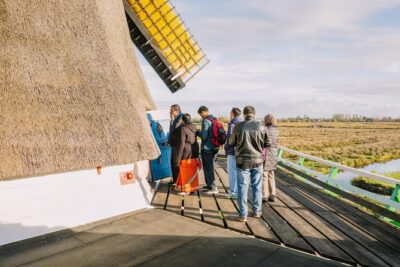
Windmill Tour from Amsterdam, Including Volendam & Marken
Read our review →

Tour to Keukenhof Gardens with Windmill Cruise
Read our review →
Zaanse Schans Windmills, Clogs and Dutch Cheese Small-Group Tour from Amsterdam
Read our review →Browse the lists this tour appears in