

Reviewed · ENTRY TICKETS IN AMSTERDAM
Amsterdam: Artis Royal Zoo & ARTIS-Micropia Combo Ticket
ARTIS-Micropia turns something you cannot see into the most memorable part of the visit. After meeting elephants, lions, gorillas, lemurs, and penguins at ARTIS Royal Zoo, you can examine living microbes and learn how they shape food, health, and nature.
I like the mix of a historic city zoo and a truly unusual museum. I also like the freedom to visit the zoo around your Micropia time slot, which makes it easier to build a full day without rushing. The main consideration is time: this is not a quick animal stop. With the zoo, planetarium, gardens, and Micropia, you may want five to seven hours.
In This Review
- Key points to know before you go
- Why ARTIS works as more than a standard zoo visit
- Starting with the elephant calves
- Madagascar at the renewed Kerbertterras
- Lions, gorillas, penguins, and the animals you came to see
- The planetarium adds a welcome change of pace
- Micropia turns invisible life into a museum visit
- How to plan your one-day visit
- Getting there from Amsterdam’s center
- Who will get the most from the $55 ticket
- Is the ARTIS Zoo and Micropia combo worth booking?
- FAQ
- Where is ARTIS Royal Zoo located?
- How do I reach ARTIS by public transport?
- Does the ticket include ARTIS-Micropia?
- Does the ticket include the planetarium?
- Does my selected time slot apply to the zoo?
- Can I leave and re-enter the zoo?
- How long should I allow for the visit?
- Is ARTIS open every day?
- Is Micropia free for children?
- Is the attraction wheelchair accessible?
Key points to know before you go

- Two elephant calves add a special reason to visit ARTIS now, with an Elephant Expedition and facts to discover along the foot trails.
- Micropia is the only museum of its kind, using living microbes, microscopes, lab displays, and interactive exhibits.
- The zoo is central, about 10 minutes from Amsterdam’s city center and easy to reach by Tram 14.
- A full day is realistic, especially if you stop for food and include the planetarium and other indoor spaces.
- Children up to age 12 enter Micropia free, while infants aged 0 to 2 enter the zoo free.
- Your timed entry applies only to Micropia, so you can enter ARTIS Zoo during its opening hours on the same day.
Why ARTIS works as more than a standard zoo visit

ARTIS Royal Zoo is one of the five oldest zoos in the world and the oldest in the Netherlands. Its central Amsterdam location makes it easy to add to a sightseeing day, but the park feels like a proper destination rather than a quick urban attraction.
The setting is part of the appeal. ARTIS sits directly beside one of Amsterdam’s canals, with historic monuments, flower gardens, animal enclosures, and indoor exhibits spread through the grounds. You get a change of pace from the city streets without making a long journey outside Amsterdam.
I especially like the balance between familiar favorites and less common animals. You can see Asian elephants, lions, Western lowland gorillas, African penguins, red pandas, wolves, African painted dogs, and a speedy armadillo. The range is broad enough to keep children interested, while the historic setting and science exhibits give adults plenty to explore too.
The zoo also feels larger once you begin walking. It may look manageable at the entrance, but the various spaces, gardens, animal areas, insect displays, butterfly garden, and planetarium can fill most of your day. Plan on walking steadily, with time for breaks.
More Entry Tickets in Amsterdam
- Amsterdam: Van Gogh Museum Ticket
★ 4.7 · 52,054 reviews - Amsterdam: Heineken Experience Ticket
★ 4.6 · 30,055 reviews - Amsterdam: Rijksmuseum Entry Ticket
★ 4.7 · 25,535 reviews
Starting with the elephant calves
The elephant area is likely to be one of the first places you want to visit. Two elephant calves were born during the winter, giving this section an extra sense of occasion. Young elephants are engaging to watch, but the real value is the chance to connect the animals with practical information about their behavior and lives.
The Elephant Expedition follows foot trails and presents facts about elephants in an activity-based way. Children can try to crack the elephant code, and during the spring holiday they may also be able to craft their own elephant enclosure. These details make the area more than a viewing platform, particularly for families who want their children to learn while moving through the zoo.
You should not expect every animal to be visible at every moment. That is simply part of visiting a zoo, and younger animals may be active, resting, or out of sight. Start here if the elephant calves are your main reason for coming, then return later if the area is busy or the animals are taking a break.
Madagascar at the renewed Kerbertterras
The renewed Kerbertterras, formerly the lion enclosure, gives the zoo a different mood. It presents a Madagascar setting where ring-tailed lemurs, red ruffed lemurs, and turtles live together.
This kind of shared habitat is useful because it lets you look at how several species occupy the same space rather than viewing each animal in isolation. Lemurs are often entertaining to watch, but the exhibit also gives you a chance to compare their movements and habits with those of the turtles.
The old lion enclosure name may still appear in older directions or memories, so keep an eye out for the newer Kerbertterras name. Next, look for the Asian small-clawed otters, housed near the red panda habitat. These smaller animals can be easy to overlook if you are focused only on the large mammals, but they add variety to the route.
Lions, gorillas, penguins, and the animals you came to see

ARTIS covers the classic zoo highlights well. Lions and Western lowland gorillas provide the large, dramatic encounters, while African penguins bring a different kind of energy. You might also find yourself spending longer than expected with the wolves, African painted dogs, or red pandas.
The zoo’s spaces are described as open and well arranged, which matters when you are watching animals. A more open layout can give you better sight lines and make the visit feel less like moving from one tight display to another. It does not guarantee a close view, but it can make the experience calmer and more pleasant.
Cleanliness is another practical strength. Water refill stations are available around the zoo, so bringing a refillable bottle is sensible. There is also a café inside the grounds, a useful stop when you need coffee or a proper pause without leaving the park.
You should allow extra time for food. A quick snack can keep you moving, but many people find that the zoo grows into a five or six hour outing once they stop to eat and explore the indoor attractions. If you arrive late in the afternoon, you may have to choose between animal areas, the planetarium, and Micropia.
More attraction tickets in Amsterdam:
- Amsterdam: Madame Tussauds Ticket
★ 4.4 · 9,415 reviews - Amsterdam: ARTIS Royal Zoo Entry Ticket
★ 4.7 · 4,696 reviews - Body Worlds Amsterdam: The Happiness Project Ticket
★ 4.5 · 3,295 reviews - Amsterdam: NEMO Science Museum Ticket
★ 4.4 · 2,979 reviews
The planetarium adds a welcome change of pace

Admission includes access to the planetarium. After walking outdoors and looking through animal habitats, this is a useful change of rhythm.
The planetarium takes you on a journey through space, with stars and planets providing a chance to think about Earth from a wider view. It also gives you an indoor option on a wet or cold Amsterdam day. Since it is included, check the available programming when you arrive and fit it into your route rather than treating it as an optional extra at the end.
The planetarium is one reason this ticket offers more value than a basic zoo admission. You are not paying only for animal viewing. You are getting a mixture of nature, astronomy, historic grounds, gardens, and science.
Micropia turns invisible life into a museum visit

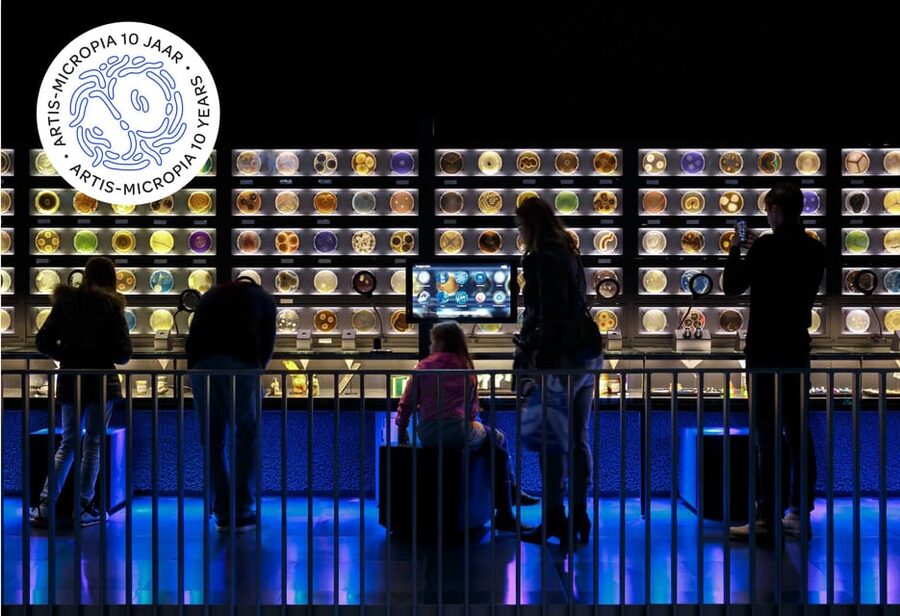
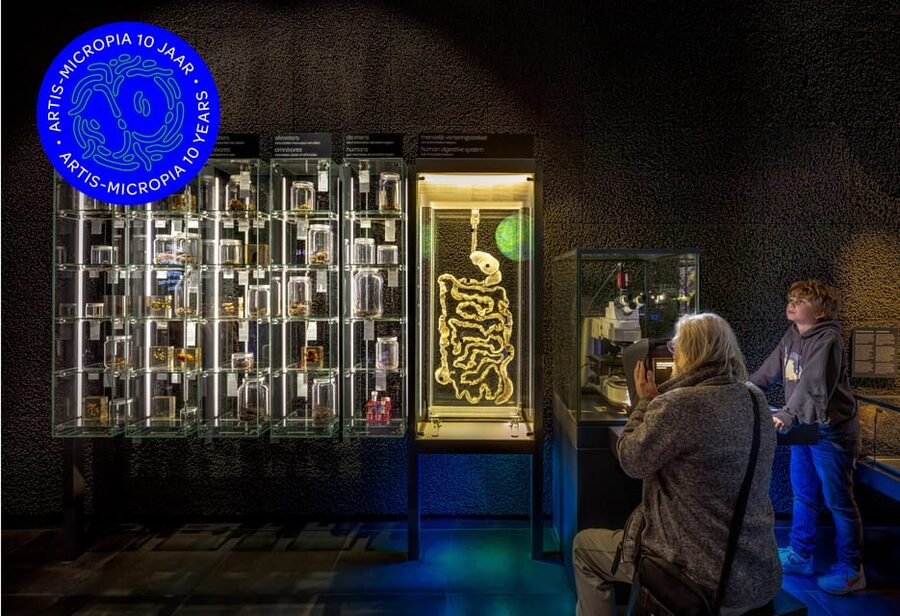
ARTIS-Micropia is the most unusual part of the combination. It is the world’s first and only museum devoted entirely to microbes, the tiny living organisms found in the air, on your skin, and in your gut.
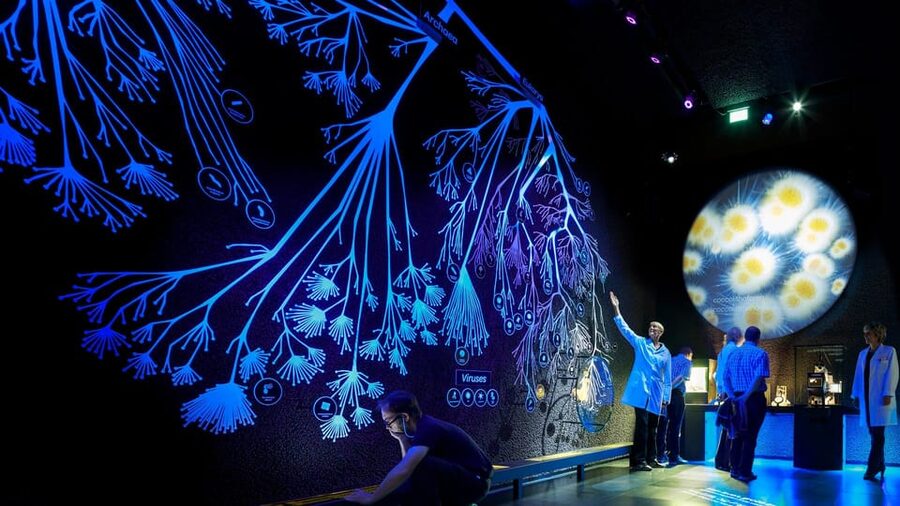
That subject can sound abstract until the displays make it visible. Micropia uses living microbes, microscopes, interactive exhibits, and stories from laboratory staff to show how these organisms affect daily life. They help make food taste good, support health, and keep natural systems in balance.
I like Micropia because it changes the way you look at the rest of your day. After seeing animals in the zoo, you begin thinking about the unseen life connected to every animal, plant, person, and surface around you. The museum is informative without requiring a scientific background, and its hands-on approach helps children stay involved.
Daily lab talks take place in front of the laboratory. If you enjoy asking questions, these talks are a good reason not to rush through the museum. Staff are available around the exhibits, so you can ask about what you are seeing instead of relying only on written explanations.
The museum is not enormous, but its subject is concentrated and unusual. Give it enough time to read the displays and use the microscopes. If you race through after a long zoo visit, you may miss the point of the combination.
How to plan your one-day visit

The time slot selected when you book applies only to ARTIS-Micropia. You can enter the zoo at any point during its opening hours on the same day. This is an important detail, because it gives you flexibility.
One sensible plan is to visit the zoo first, go to Micropia at your reserved time, and then return to the zoo if you still have time. If you leave the zoo, ask for a hand stamp so you can re-enter. This works well if you want to split the day between outdoor animal areas and the indoor museum.
Another plan is to visit Micropia first, especially if your time slot is early. You can then spend the rest of the day in the zoo without watching the clock. This may suit families with young children who prefer to tackle the shorter indoor museum while everyone is fresh.
ARTIS is open daily, including holidays. From March 1 through October 31, the zoo is open from 9:00 a.m. to 6:00 p.m. From November 1 through February 28, it closes at 5:00 p.m. Micropia is open daily from 10:00 a.m. to 5:00 p.m.
The seasonal hours make an early start worthwhile in winter. In summer, you have more time, but the popular animal areas can still form the natural center of your day. Holiday hours change, including shorter hours on December 24, December 25, December 26, December 31, and January 1, so check the date carefully before setting your plan.
Getting there from Amsterdam’s center
The easiest public transport option is Tram 14 from Amsterdam Central Station, which stops at ARTIS Amsterdam Royal Zoo. Tram stops 7 and 19 are also within walking distance.
Waterlooplein is the nearest metro station, about a 10-minute walk from ARTIS. This makes the ticket practical for a city break, since you do not need to organize a separate trip outside Amsterdam.
The central location also lets you pair the zoo with nearby city sights, but I would resist squeezing too much into the same day. The zoo and Micropia can easily occupy the full day on their own. If you want to see the park properly, treat ARTIS as your main activity rather than a short stop between other appointments.
Who will get the most from the $55 ticket
At $55 per person, the combo ticket is not a cheap add-on. Its value depends on how much of the day you use.
I think it makes sense if you plan to spend several hours at ARTIS and want both the zoo and Micropia. The included planetarium helps, and the combination gives you a full schedule rather than one short exhibit. A five to seven hour visit makes the price easier to justify, especially if you also use the café, gardens, and indoor spaces.
Families should pay attention to the age rules. Infants aged 0 to 2 enter the zoo free, and children aged 0 to 12 enter Micropia free. The information provided specifically identifies free admission for children at Micropia, so check the exact child ticket conditions when booking the zoo portion.
This experience suits families, animal lovers, science fans, and anyone who wants a city activity with more substance than a quick photo stop. It is also a good rainy-day choice because of Micropia and the planetarium, though you will still spend much of the visit outdoors.
It may not suit you if you dislike walking, have only two or three hours in Amsterdam, or want a highly structured guided tour. There is no named guide leading you through the zoo, and you set your own pace. That freedom is useful, but you need to manage your time.
The park is wheelchair accessible, and wheelchairs are available without advance reservation. Pets and smoking are not allowed.
Is the ARTIS Zoo and Micropia combo worth booking?
I would book this combo if you can give it most of a day and want a mix of animals, gardens, astronomy, and science. The two elephant calves provide a timely reason to visit, while Micropia gives the day an unusual second half that you will not find at another Amsterdam attraction.
Book it with a clear plan for the Micropia time slot, arrive early if you want a quieter start, and carry a refillable water bottle. If your schedule is tight or your main interest is only the zoo, a shorter visit may offer better value. For a full family day, however, the combination gives you plenty to see and a welcome change of subject halfway through.
FAQ
Where is ARTIS Royal Zoo located?
ARTIS Royal Zoo is in Amsterdam, North Holland, about 10 minutes from the city center and directly beside one of Amsterdam’s canals.
How do I reach ARTIS by public transport?
Take Tram 14 from Amsterdam Central Station to the ARTIS Amsterdam Royal Zoo stop. Tram stops 7 and 19 are also within walking distance. Waterlooplein metro station is about a 10-minute walk away.
Does the ticket include ARTIS-Micropia?
Yes. The combo includes entry to ARTIS-Micropia and ARTIS Amsterdam Royal Zoo.
Does the ticket include the planetarium?
Yes. Access to the planetarium is included with admission.
Does my selected time slot apply to the zoo?
No. The selected time slot applies only to ARTIS-Micropia. You can enter ARTIS Royal Zoo during its opening hours on the day of your visit.
Can I leave and re-enter the zoo?
You can leave and return by asking for a stamp on your hand before exiting.
How long should I allow for the visit?
Allow a full day if you want to see the zoo, Micropia, the planetarium, and the other spaces without rushing. A visit of five to seven hours is realistic.
Is ARTIS open every day?
Yes. ARTIS Royal Zoo is open daily, including holidays. Regular hours are 9:00 a.m. to 6:00 p.m. from March 1 through October 31, and 9:00 a.m. to 5:00 p.m. from November 1 through February 28.
Is Micropia free for children?
Children aged 0 to 12 can enter ARTIS-Micropia free. Infants aged 0 to 2 can enter ARTIS Royal Zoo free.
Is the attraction wheelchair accessible?
Yes. The experience is wheelchair accessible, and wheelchairs are available at ARTIS without reservation.
More Zoos in Amsterdam
- Rotterdam: Rotterdam Zoo Blijdorp Entry Ticket
★ 4.6 · 2,754 reviews - Rotterdam Zoo Diergaarde Blijdorp Direct Entrance Ticket
★ 4.0 · 191 reviews - Rhenen: Ouwehands Zoo Entry Ticket
★ 4.6 · 126 reviews - Arnhem: Burgers’ Zoo Entry Ticket
★ 4.7 · 88 reviews
Just added around Amsterdam
- Amsterdam: Food and Canal Tour★ 4.6 · 22 reviews
- Segway City Tours Amsterdam★ 4.3 · 23 reviews
- Amsterdam Canal Cruise in Classic Salon Boat With Drinks and Cheese★ 4.0 · 22 reviews
- Discover Deventer with an Outside Escape city game tour!★ 4.5 · 23 reviews
- Historical Walking Tour, private with local Dutch guide★ 5.0 · 23 reviews
- Utrecht Food Tour on a Bicycle with local guide★ 5.0 · 23 reviews
- Amsterdam: Captain For a Day 2-Hour Boat Rental★ 4.9 · 23 reviews
- Amsterdam Small-Group Breakfast Morning Cruise★ 5.0 · 23 reviews
Entry Tickets in Amsterdam, compared.





Keukenhof Ticket and Roundtrip Shuttle Transfer
Read our review →
Moco Museum Amsterdam Entrance Tickets with Banksy & More
Read our review →

Browse the lists this tour appears in