
Reviewed · MUSEUM TOURS IN AMSTERDAM
Amsterdam: ARTIS-Micropia Microbe Museum Entry Ticket
Most museums show you paintings, fossils, or grand historic objects. ARTIS-Micropia shows you life too small to see. In this unusual Amsterdam museum, microbes appear through microscopes, living samples, digital displays, body-scanning technology, and a visible laboratory. It is the only museum of its kind in the world.
I especially like the scan-yourself exhibit, which reveals the microbes living on and inside your body, and the stamp-collecting trail, which gives children a reason to keep moving from station to station. The displays also explain useful microbes, not only the germs that make people nervous.
The main consideration is value. At about $21 per person, the ticket is reasonable if you take your time and enjoy science museums, but a quick visit of 45 minutes can feel expensive. Children aged 0 to 12 enter free, which makes this a much better deal for families.
In This Review
- Key points to know before you go
- Why Micropia feels different from a normal museum
- Starting at Plantage Kerklaan
- The first exhibits: making the invisible visible
- The body scan and the microbes on you
- Microscopes, cultures, and the visible laboratory
- The stamp trail and family appeal
- How long should you allow?
- Is the $21 ticket good value?
- Micropia compared with the Groote Museum and ARTIS Zoo
- Practical points for your visit
- Who will enjoy ARTIS-Micropia most?
- Should you book ARTIS-Micropia?
- FAQ
- Where is ARTIS-Micropia located?
- How much does admission cost?
- How long does a visit to Micropia take?
- What are the opening hours?
- Is ARTIS Zoo included with the Micropia ticket?
- Is ARTIS-Micropia wheelchair accessible?
Key points to know before you go
- World’s only microbe museum: ARTIS-Micropia focuses entirely on organisms that are usually invisible to the naked eye.
- Plan for 45 minutes to 2 hours: Your visit length depends on how closely you read the displays and use the interactive stations.
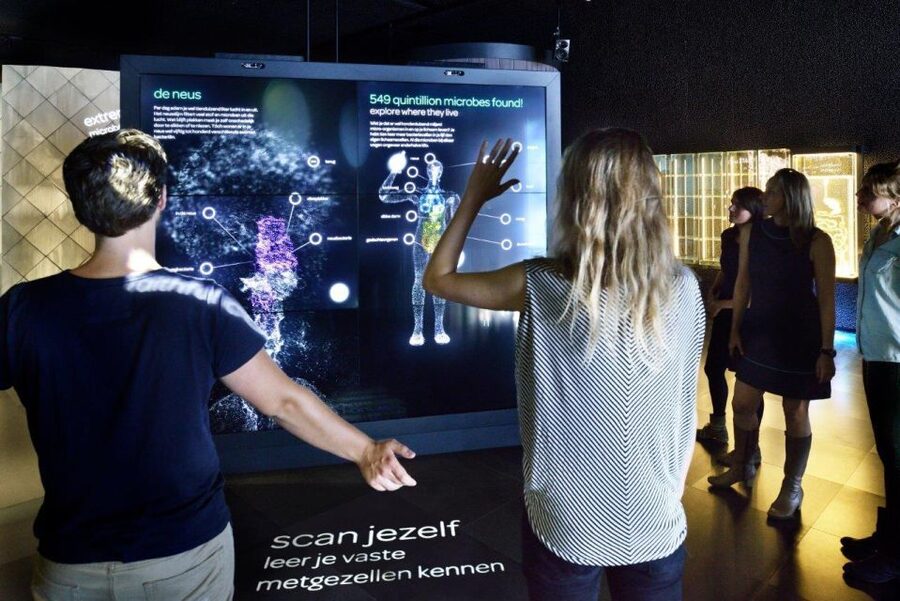
- Scan your own body: The museum reveals the microbes found on and inside you, sometimes with surprising results.
- Daily lab talks: Staff explain the work taking place in front of the Laboratorium.
- Good for children from about age 8: Stamp collecting and hands-on exhibits help younger visitors stay involved.
- Easy to combine with ARTIS: The museum is at Plantage Kerklaan, about a 10-minute walk from Amsterdam’s city center, and combination tickets may include the Groote Museum or ARTIS Zoo.
Why Micropia feels different from a normal museum
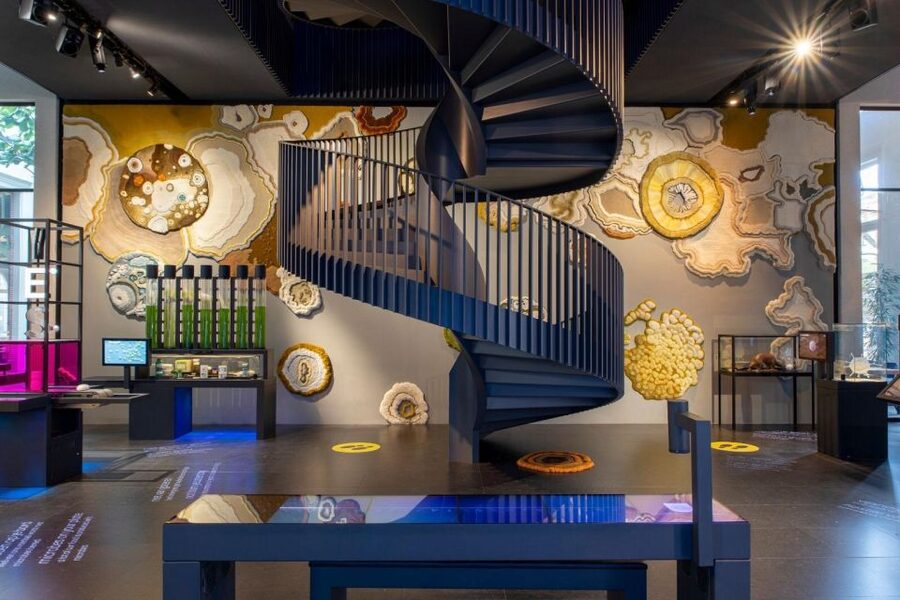
Micropia begins with a simple idea: microbes are everywhere. They live in the air, on your skin, in your gut, in food, and throughout the natural world. Some cause illness, but many help you digest food, make cheese and bread, support healthy ecosystems, and keep nature in balance.
That broad approach is what makes the museum more interesting than a basic bacteria exhibit. You are not given a list of dangerous germs and sent on your way. Instead, you see microbes as a necessary part of daily life.
The museum combines science with visual presentation. You can look through microscopes, examine living organisms, watch animations, read short explanations, and use interactive screens. Large models of bacteria and viruses help you understand shapes and structures that would otherwise be hard to picture.
I find this especially useful for families. Microbiology can sound abstract when it is explained only in a book. Here, you can connect the subject to food, health, the human body, plants, animals, and the environment.
The displays are also suitable for adults who arrive without children. A scientist or biology enthusiast could spend close to two hours reading the information and examining each station, while someone making a quick stop could see the main ideas in under an hour.
More Entry Tickets in Amsterdam
- Amsterdam: Van Gogh Museum Ticket
★ 4.7 · 52,054 reviews - Amsterdam: Heineken Experience Ticket
★ 4.6 · 30,055 reviews - Amsterdam: Rijksmuseum Entry Ticket
★ 4.7 · 25,535 reviews
Starting at Plantage Kerklaan
ARTIS-Micropia is located at Plantage Kerklaan 38-40, beside the ARTIS complex in Amsterdam. The museum is about a 10-minute walk from the city center, making it easy to add to a day in central Amsterdam.
The surrounding ARTIS area gives you useful options before or after your visit. It includes the zoo, the ARTIS-Groote Museum, gardens, and places to stop for a drink or snack. You do not need to visit all of them, but the location works well if you want to build a half-day outing around several attractions.
The museum is open daily from 10 a.m. to 5 p.m. Special holiday hours apply on several dates: it opens at 9 a.m. on December 24, 25, and 26, and closes at 4 p.m. on December 31. On January 1, it opens from 10 a.m. to 5 p.m.
You receive admission to Micropia itself. ARTIS Zoo and the Groote Museum are not included unless you buy a separate combination ticket. Check this carefully before booking, because the names and locations are closely linked but the entrances are separate.
The first exhibits: making the invisible visible
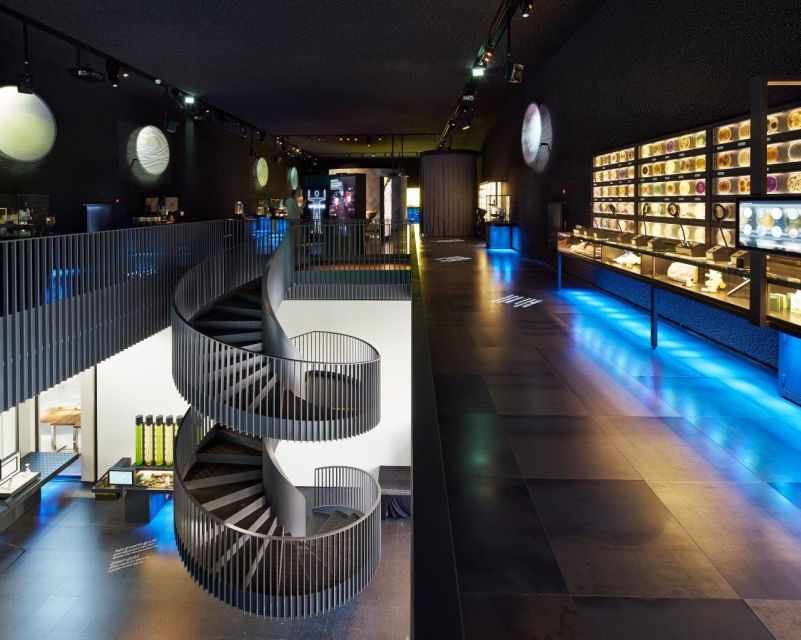
The early part of the museum helps you understand why microbes matter. Instead of treating them as a distant laboratory subject, the displays connect them to ordinary experiences.
You may learn how microbes help produce flavors in food, assist digestion, and support natural systems. This is a useful starting point because many people think of bacteria and fungi only as things to avoid. Micropia gives you a more accurate picture: microbes can be harmful, helpful, or simply part of the world around you.
The museum uses screens and animations to explain processes that take place at a scale too small for ordinary vision. Several people have found the visual effects particularly effective, and I can see why. A moving image can explain growth, reproduction, or interaction more clearly than a long block of text.
The information is detailed enough to reward careful reading. If you are mainly interested in quick entertainment, you may finish the displays fairly fast. If you stop at every screen and microscope, the same museum becomes a longer and more serious science visit.
The body scan and the microbes on you
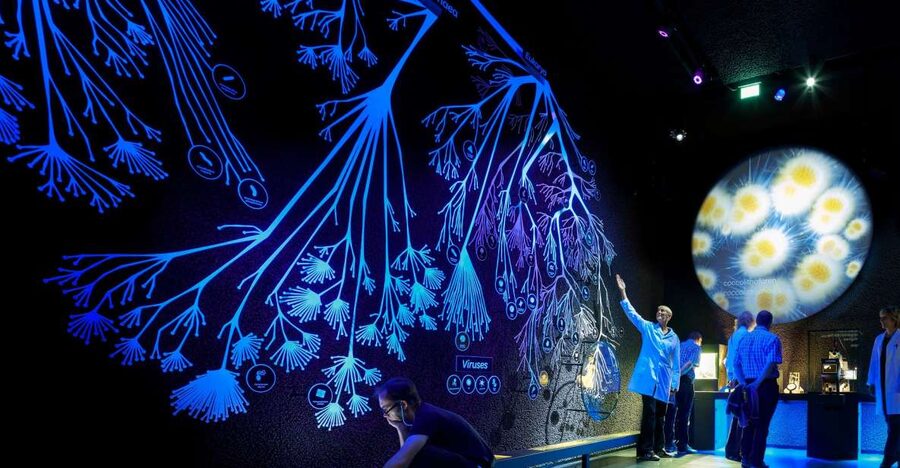
The scan-yourself station is one of the most memorable parts of Micropia. It shows that your body is not a sterile object. Microbes live on your skin and inside you, including in your digestive system.
The point is not to frighten you. The museum uses the scan to explain that the human body works alongside countless microorganisms. Some are connected to digestion and health, while others are simply part of your normal biology.
The results can be surprising, even alarming at first. That is part of the fun, especially if you are visiting with friends or family and comparing what the display reveals. The machine gives an immediate personal connection to a subject that can otherwise feel distant.
I would not make this the only reason to buy a ticket, since the museum contains much more. Still, it is one of the best stations for helping children and adults understand that microbiology is not just something found in a lab. It is happening on your own body at this moment.
More Museum Tours in Amsterdam
- Moco Museum Amsterdam Entrance Tickets with Banksy & More
★ 4.4 · 10,088 reviews - Amsterdam: The Upside Down Museum Entrance Ticket
★ 4.4 · 9,506 reviews - Amsterdam: Red Light Secrets Museum Entry Ticket
★ 4.2 · 5,722 reviews - Amsterdam’s Weirdest Museum: Believe It or Not!
★ 4.5 · 4,086 reviews
Microscopes, cultures, and the visible laboratory
Micropia uses real specimens and microscopes to bring its subject into focus. You can see microbes at close range and learn how scientists examine them.
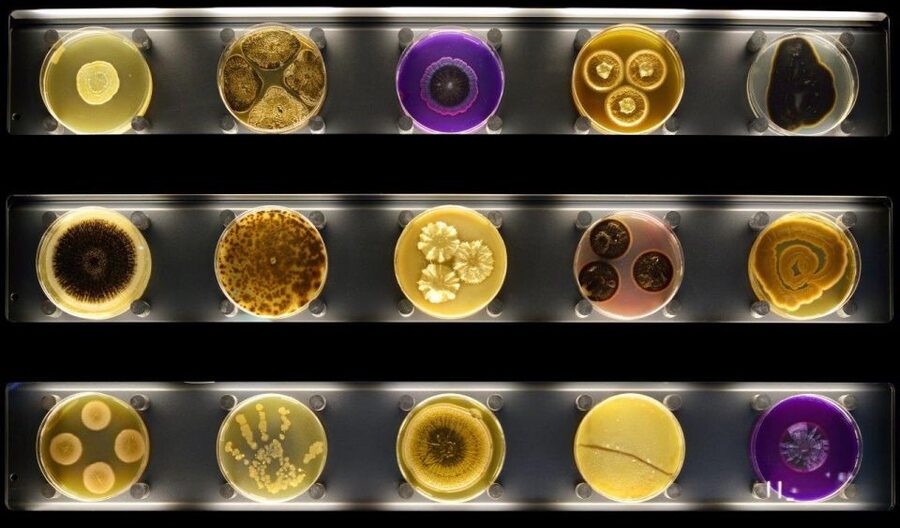
One particularly striking area involves plates where mould is growing. It is not polished or pretty in the usual museum sense, but that is exactly why it works. You see biology in progress rather than only finished diagrams.
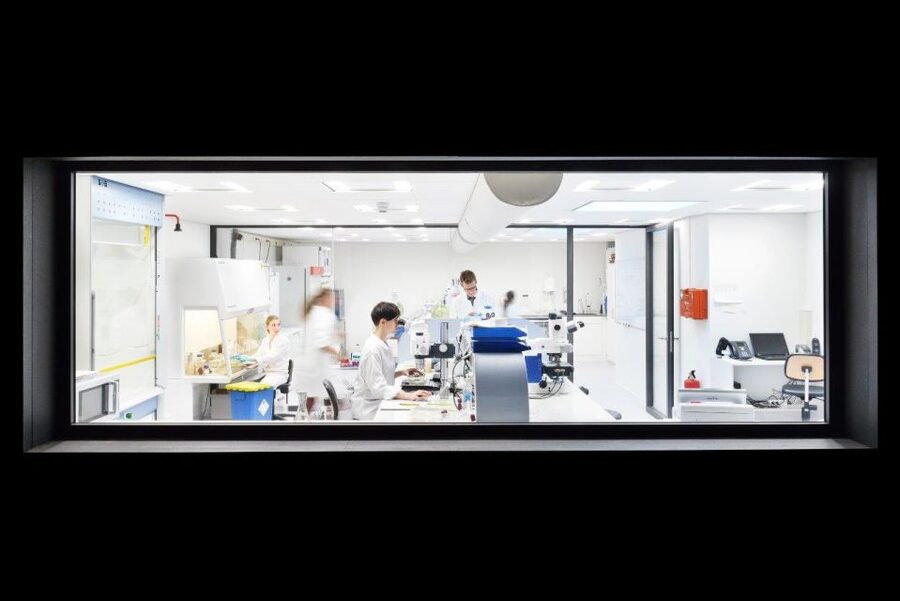
The museum also has a visible laboratory. Walking past an actual working lab gives the displays a sense of purpose. You are reminded that the science here is based on observation, testing, and careful handling of living material.
Daily lab talks take place in front of the Laboratorium. These talks are a useful choice if you want more explanation than the screens provide. The available languages are Dutch and English, and the host or greeter service is also listed in both languages.
The exact presentation can depend on the day and timing, so check what is available when you arrive. If you are especially interested in the science, arrange your visit so you have time to stop for the lab talk rather than rushing through the exhibits.
The stamp trail and family appeal
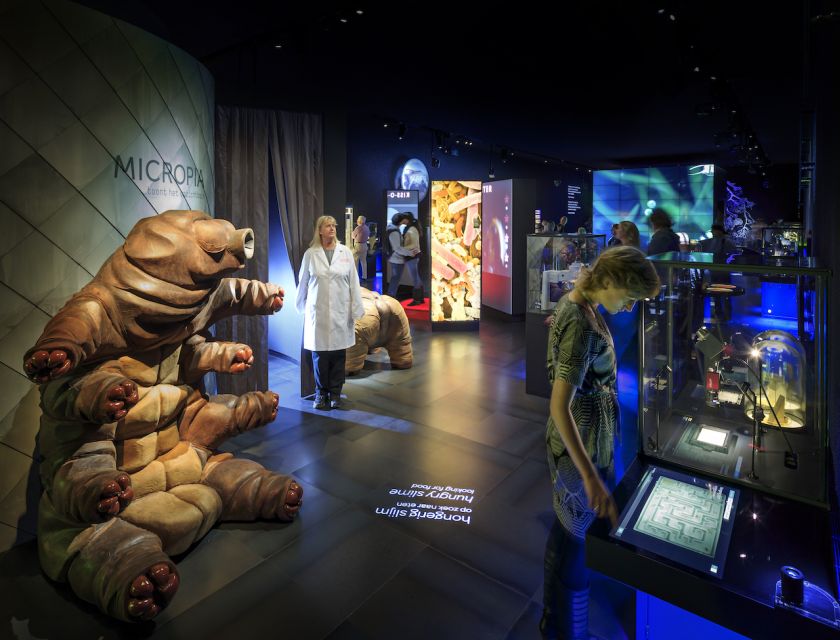
The stamp-collecting activity is a simple idea, but it helps the museum work for children. You collect microbe stamps as you move through the exhibits, turning the visit into a small mission rather than a sequence of reading stations.
The recommended age for Micropia is 8 and older. That makes sense. Younger children may enjoy the colors, machines, and shapes, but the explanations and scientific ideas will be easier to follow for children who can read independently.
The museum also offers the Micro Mission during spring break. It is available every day from 10 a.m. to 5 p.m. and can be collected free of charge at the ticket desk. The activity looks at how plants, animals, and microbes depend on one another in nature.
This is a good theme for children because it moves beyond the human body. They learn that no species truly lives alone, and that microbes help plants and animals in ways we rarely notice.
Both adults and children can take part. Families with 8- and 12-year-olds should find the stamp activity especially useful, while parents can spend more time with the deeper information nearby.
How long should you allow?
Your visit could take as little as 45 minutes, but I would allow 90 minutes if you want to read, scan yourself, use the microscopes, and wait for interactive stations. People who examine every screen and display may stay for about two hours.
The museum is not huge, so do not expect a full-day attraction on its own. The one-day ticket validity gives you flexibility, but the practical visit is usually a focused museum stop.
A shorter visit works well if you are already near ARTIS and want something different from Amsterdam’s major art museums. A longer visit makes more sense for science fans, families, and anyone who enjoys reading exhibit text.
Crowd levels can affect your pace. When the museum is busy, you may need to wait for some of the individual machines or displays. A quieter visit gives you more time at each station and makes it easier to listen to the lab talk.
Is the $21 ticket good value?
At $21 per person, Micropia costs more than a quick museum stop but less than a full-day attraction in many major cities. The value depends on how you use it.
If you are interested in biology, medicine, food science, or the natural world, the price is easier to justify. The subject is unusual, the material is presented in several ways, and the museum offers more than static panels.
If you only spend 45 minutes inside, you may feel the ticket is expensive for the size of the museum. One visitor described it as interesting but a little costly for the amount of material. That is a fair warning.
Families get a stronger deal because children up to age 12 enter free. A family can also combine the visit with the zoo or Groote Museum, though those attractions require separate admission or a combination ticket.
Free lockers are available for bags and coats, according to the practical information shared about the museum. That matters here because many displays require you to stand close, use your hands, or move between stations without carrying a bulky bag.
The gift shop is another small plus. It offers science-themed items, and some purchases have been considered good value. Do not plan your visit around shopping, but it can be a pleasant final stop.
Micropia compared with the Groote Museum and ARTIS Zoo
Micropia focuses on the smallest forms of life. The ARTIS-Groote Museum takes a wider view, showing how humans, animals, plants, and microbes connect. ARTIS Zoo lets you experience animals and nature directly.
If you have time for only one attraction, choose based on your interests. Micropia is the clear choice for microbiology, hands-on science, and a compact indoor activity. The Groote Museum may suit you better if you want a broader discussion of relationships in nature.
The zoo adds a different kind of experience and may appeal more to children who need outdoor space. A combination ticket can make sense if you want to spend several hours at ARTIS rather than make a single short museum stop.
One useful plan is Micropia first, followed by the zoo or Groote Museum. The microbe exhibits give you a close look at invisible life, then the other attractions show larger organisms and wider natural connections.
Practical points for your visit
Micropia is wheelchair accessible. The museum operates in Dutch and English, so English-speaking visitors can use the exhibits and communicate with staff.
Free cancellation is available up to 24 hours before the visit for a full refund. You can also reserve now and pay later, which helps if you are arranging an Amsterdam schedule before all your plans are fixed.
The ticket is valid for one day, with availability and starting times shown during booking. Since the museum is close to other ARTIS attractions, check the opening hours and admission rules for each place separately.
Children aged 0 to 12 enter free, but the museum recommends the experience for age 8 and older. That recommendation is useful for planning. A younger child may enjoy the visuals and machines, but an older child will get more from the explanations and Micro Mission.
The toilets have been criticized for cleanliness, so keep expectations practical. It is an unfortunate detail in a museum about microbes, but it does not change the exhibits themselves.
Who will enjoy ARTIS-Micropia most?
I would choose Micropia for:
- Families with children around age 8 and older
- Adults who enjoy biology, medicine, or science
- Anyone looking for an indoor Amsterdam activity
- Couples who prefer unusual museums to standard art collections
- Visitors already planning time at ARTIS Zoo or the Groote Museum
- People who enjoy interactive displays and reading detailed explanations
It may be less suitable if you want a large museum with many rooms or a full-day schedule. It is also not the best choice if your interest in science is limited and you tend to move quickly through exhibits.
The museum works particularly well for mixed-age groups because children can collect stamps and use the machines while adults read about the science behind them.
Should you book ARTIS-Micropia?
Book it if you want a compact, unusual museum that makes invisible biology easy to understand. The body scan, microscopes, growing mould, lab setting, animations, and stamp trail give the visit several different layers.
I would allow at least 90 minutes and pair it with the ARTIS-Groote Museum or zoo if you want stronger value from the day. Families benefit from free entry for children up to age 12, while science fans may find enough detail to justify the $21 adult price.
Skip it if you are seeking grand architecture, famous artworks, or a large collection that fills an entire day. For the right audience, though, Micropia offers something Amsterdam does not provide anywhere else: a close look at the living world hidden in plain sight.
FAQ
Where is ARTIS-Micropia located?
ARTIS-Micropia is at Plantage Kerklaan 38-40 in Amsterdam, North Holland. It is about a 10-minute walk from the city center.
How much does admission cost?
The listed price is $21 per person. Children from age 0 through 12 can enter free.
How long does a visit to Micropia take?
Plan for 45 minutes to 2 hours. A shorter visit covers the main displays, while a longer visit gives you time to read the information, use the interactive stations, and attend a lab talk.
What are the opening hours?
Micropia is open daily from 10 a.m. to 5 p.m. It opens at 9 a.m. on December 24, 25, and 26, closes at 4 p.m. on December 31, and opens from 10 a.m. to 5 p.m. on January 1.
Is ARTIS Zoo included with the Micropia ticket?
No. The ticket includes admission to ARTIS-Micropia only. Admission to ARTIS Amsterdam Royal Zoo and the ARTIS-Groote Museum is not included unless you purchase a combination ticket.
Is ARTIS-Micropia wheelchair accessible?
Yes. The museum is wheelchair accessible. Information and staff assistance are available in Dutch and English.
More Museums and Galleries in Amsterdam
- Amsterdam: Van Gogh Museum Ticket and City Canal Cruise
★ 4.6 · 3,899 reviews - Amsterdam: Rembrandt House Museum Entrance Ticket
★ 4.7 · 3,385 reviews - Amsterdam: Van Gogh Museum Ticket & Canal Cruise
★ 4.5 · 3,304 reviews - Amsterdam: Streetart Museum STRAAT Entrance Ticket
★ 4.8 · 2,137 reviews
More Attraction Tickets in Amsterdam
- Amsterdam: Madame Tussauds Ticket
★ 4.4 · 9,415 reviews - Amsterdam: ARTIS Royal Zoo Entry Ticket
★ 4.7 · 4,696 reviews - Body Worlds Amsterdam: The Happiness Project Ticket
★ 4.5 · 3,295 reviews - Amsterdam: NEMO Science Museum Ticket
★ 4.4 · 2,979 reviews
Just added around Amsterdam
- Amsterdam: Food and Canal Tour★ 4.6 · 22 reviews
- Segway City Tours Amsterdam★ 4.3 · 23 reviews
- Amsterdam Canal Cruise in Classic Salon Boat With Drinks and Cheese★ 4.0 · 22 reviews
- Discover Deventer with an Outside Escape city game tour!★ 4.5 · 23 reviews
- Historical Walking Tour, private with local Dutch guide★ 5.0 · 23 reviews
- Utrecht Food Tour on a Bicycle with local guide★ 5.0 · 23 reviews
- Amsterdam: Captain For a Day 2-Hour Boat Rental★ 4.9 · 23 reviews
- Amsterdam Small-Group Breakfast Morning Cruise★ 5.0 · 23 reviews
Museum Tours in Amsterdam, compared.

Moco Museum Amsterdam Entrance Tickets with Banksy & More
Read our review →


Amsterdam’s Weirdest Museum: Believe It or Not!
Read our review →

Browse the lists this tour appears in